
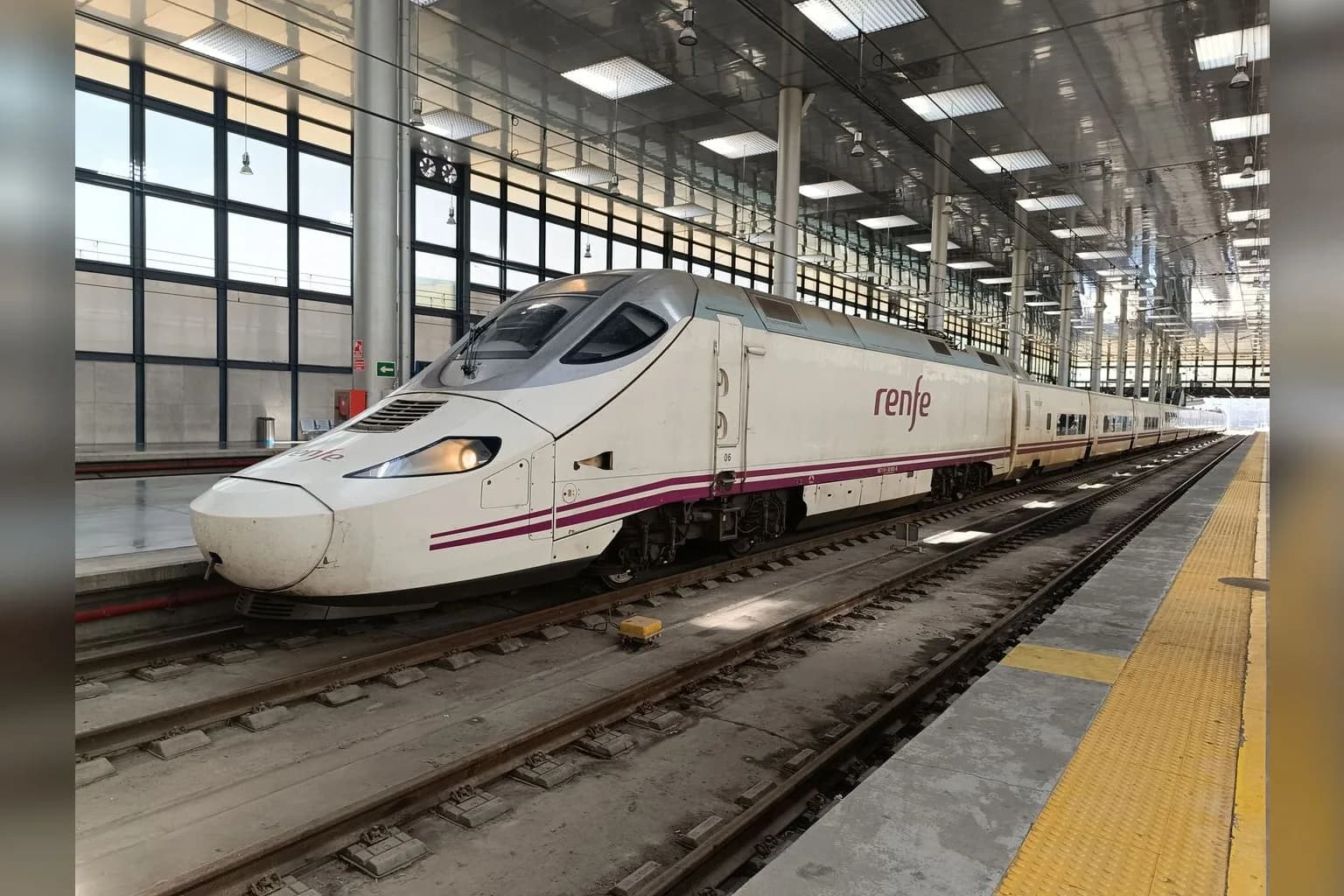
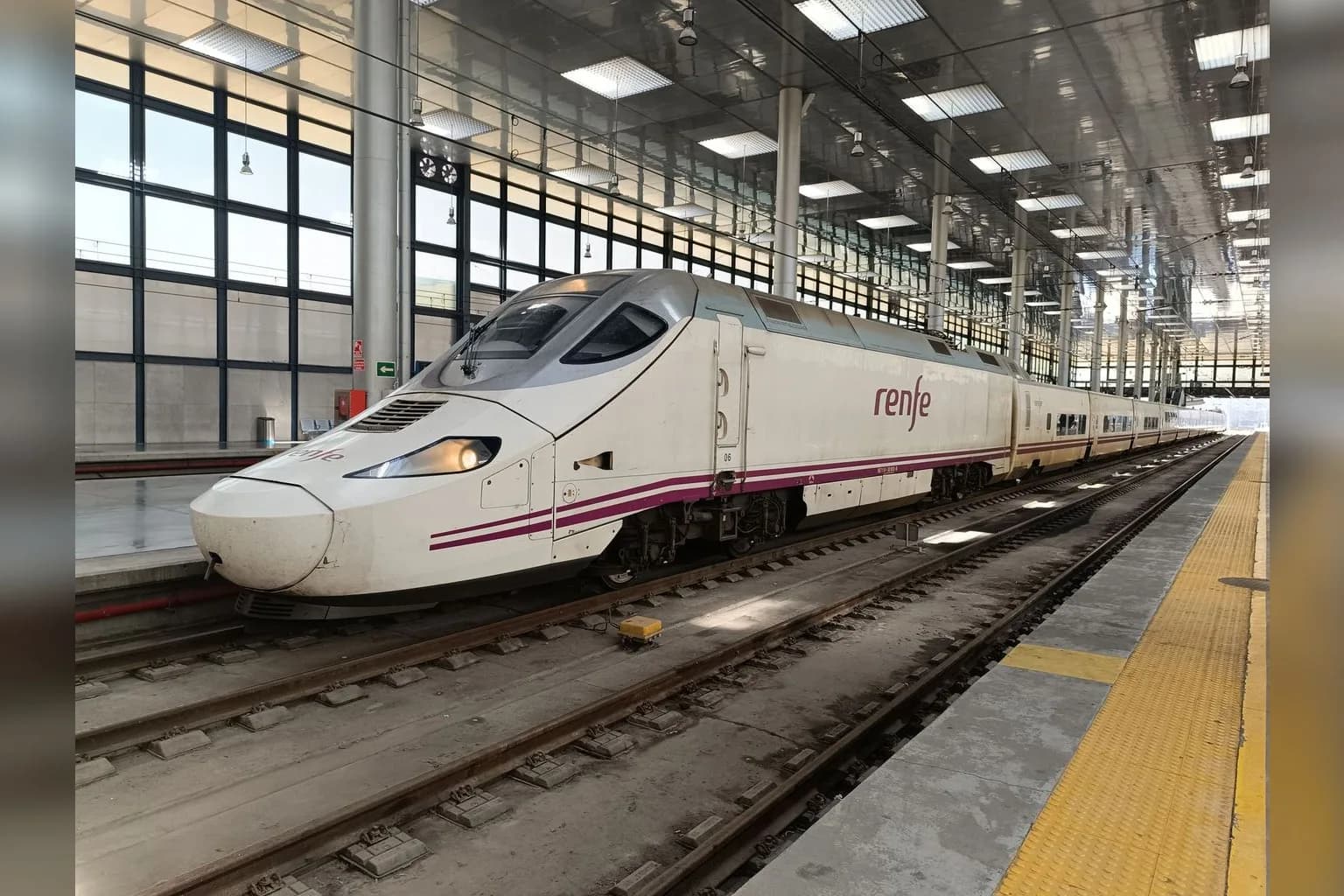
The Iryo train left at 7:54am on Wednesday carrying 151 passengers. Six minutes later, a Renfe service carrying 393 people departed Madrid for Seville on the same high-speed line.
At around 8:30am, three computers on the railway network suffered a communication failure, taking the LZB control system offline along 63 km of track. The system is designed to stop two trains occupying the same point on the network.
The Iryo train then stopped on the tracks. By 8:36am, an operator at the Madrid command centre had authorised the Renfe train to continue despite the failed system and internal protocols that required otherwise, according to Transport Minister Óscar Puente.
The Renfe train had 25 km to travel before it struck the rear of the stationary Iryo service at 8:53am, roughly 17 minutes after the authorisation. It could reach up to 200 km/h (124 mph) on that stretch.
The crash happened near Urda, Toledo, more than 80 miles south of Madrid, in the Castilla-La Mancha region.
Spain’s Transport Ministry has raised the provisional death toll from the collision to 69. About 80 people were injured, including 50 seriously hurt and 15 critically injured. The Renfe driver and a trainee travelling with him were among those who had not been located after the accident.
Among those killed were Fátima Báñez, who was Spain’s Employment Minister from 2011 to 2018 in the centre-right government of Prime Minister Mariano Rajoy. She oversaw Spain’s 2012 labour-market reform and chaired the foundation of CEOE, Spain’s main employers’ association.
Julieta Gallego, a 24-year-old long jumper and regular competitor in Spain’s club championships for Madrid-based AD Sprint, also died. Her personal best was 5.90 metres, set in Antequera in 2023. The president of the Royal Spanish Athletics Federation mourned “a life ahead of her that has been unjustly extinguished”.
Puente said the decision to allow the Renfe train to proceed was the cause of the collision. “It was the control center, through its operators, that made the decision to resume traffic, under circumstances that, from our point of view, are inexplicable.”
Early accounts had pointed to the LZB signalling failure. The minister said the command-centre order violated internal protocols, though the circumstances behind the operator’s decision have yet to be established.
Attention has also turned to the equipment used by the Atocha Regulation and Control Center in Madrid, where the authorisation was made. The Railway Traffic Union highlighted computer equipment installed there in the 1990s.
Vicente Almenar, a driver and national head of operations for the railway sector at the UGT labour union, argued that the crash should not be viewed solely through the operator’s decision. “Human errors occur when you don't have the equipment you need to do your job,” he said. He added: “zero risk will never exist, but when you have the proper tools you reduce it as much as possible.”
Prime Minister Pedro Sánchez declared three days of national mourning. “It is unacceptable for a country like Spain to suffer two high-speed rail accidents in the same year,” he said, adding that “if there has been negligence, it will be revealed, and if there have been failures in the system, we will act decisively.”
A one-day strike is scheduled for Friday, 30 October, with the support of Semaf, the largest union representing train drivers.
The collision is Spain’s deadliest train crash since the 2013 Angrois accident in A Coruña, in which 80 people died. It is also the second deadly accident in less than a year on the Madrid-to-Andalusia line.

Comments (0)