
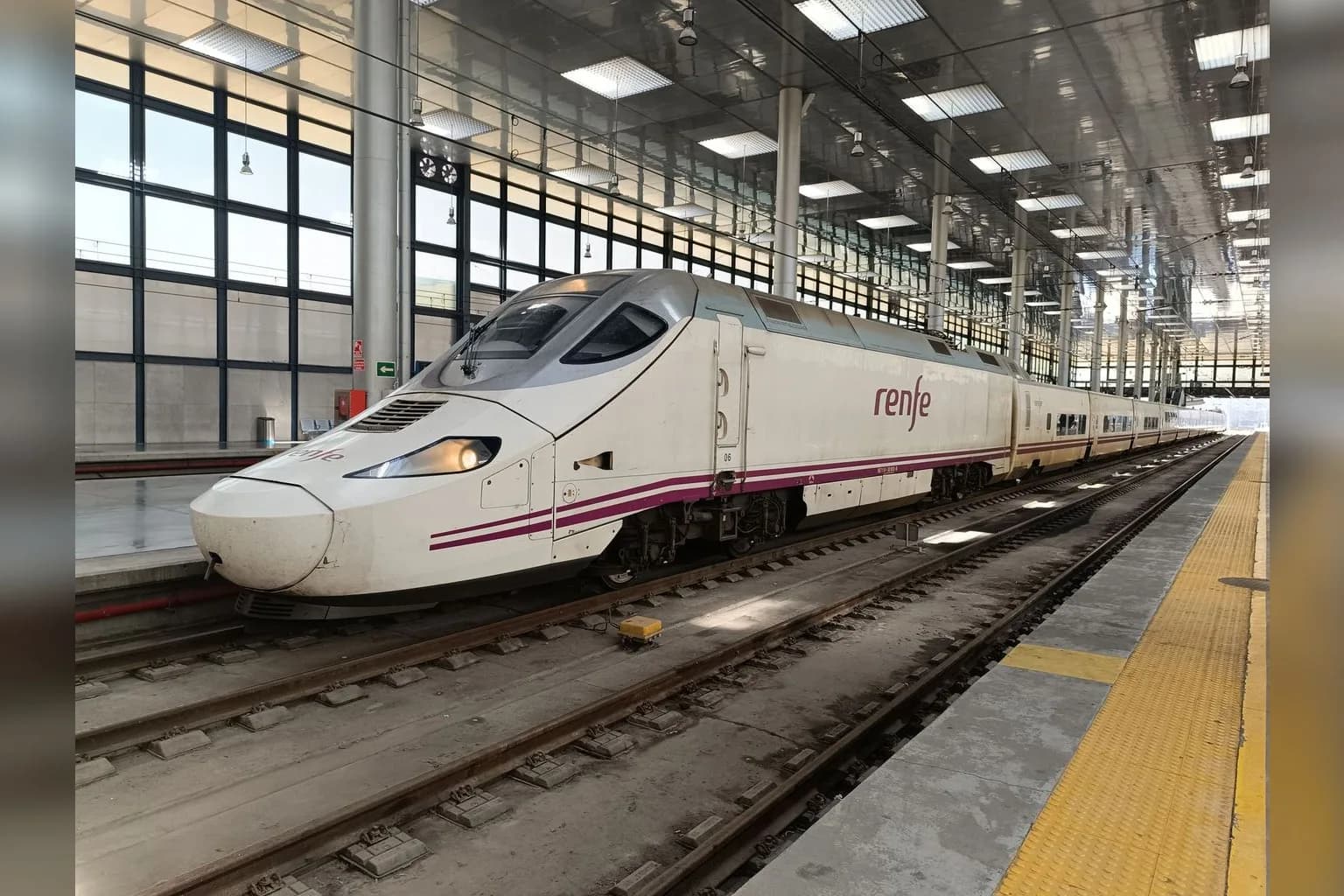
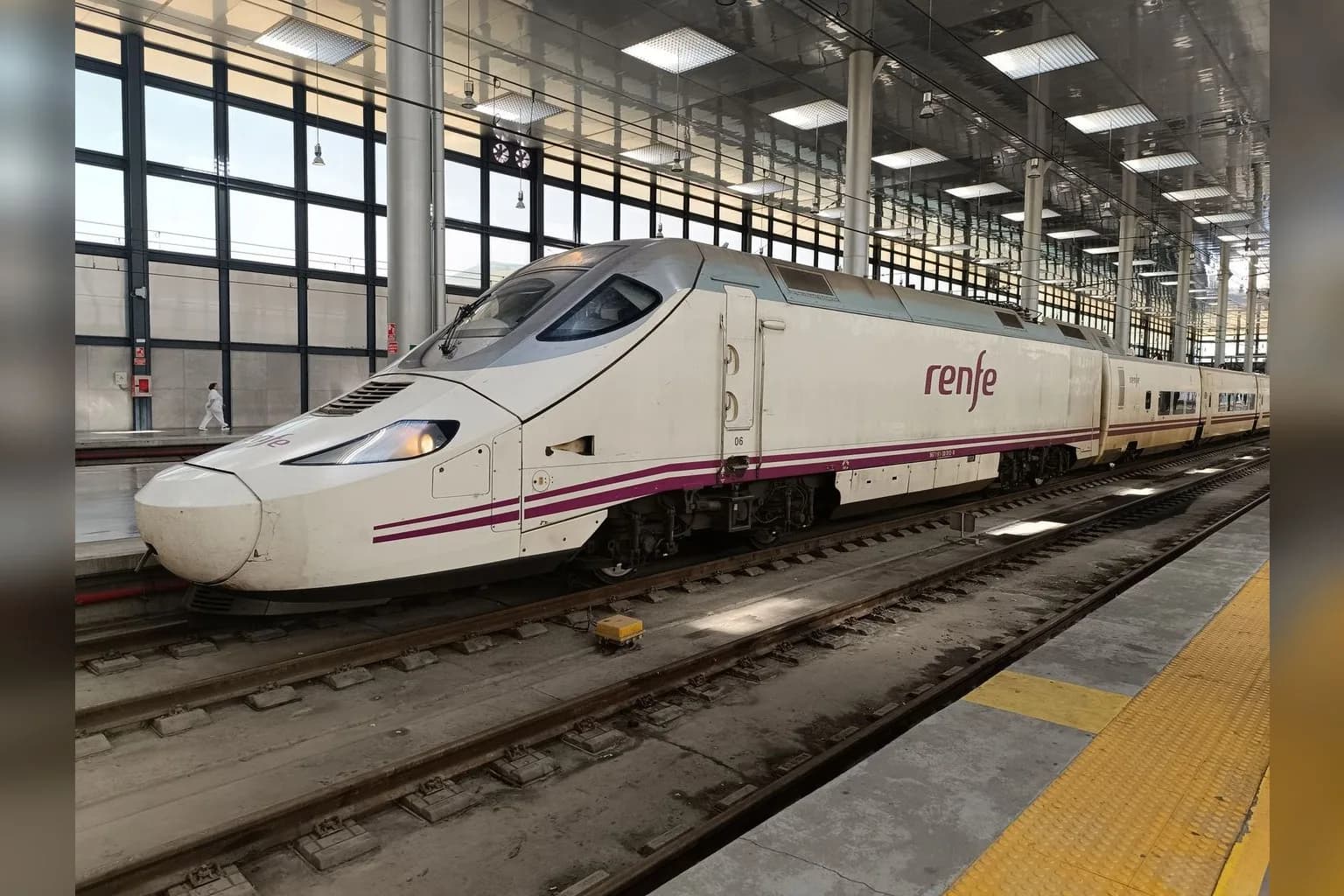
Josimar Medina, a 31-year-old Peruvian tourist travelling in Spain with his girlfriend, had been asleep aboard the Renfe train when the collision threw him through the carriage. “I woke up and I was in the air,” he said.
The crash near Urda in central Castilla-La Mancha killed 68 people on Wednesday, 28 October 2026. It involved a Renfe service hitting the rear of a stationary train operated by the private company Iryo.
The trains collided on the main route between Madrid and the southern city of Seville, around 130 kilometres south of the capital, between the municipalities of Mora and Orgaz. Accounts described the crash as occurring just after 9am.
At 8:30am, a computer malfunction stopped the security system across 63 kilometres of track and automatically halted traffic on that section.
The Iryo train, carrying 147 passengers, stopped near Urda because of the failure. At 8:36am, the central control centre in Madrid instructed a Renfe train carrying 397 passengers, then 25 kilometres behind, to continue without speed restrictions although a red signal remained active.
Over the following minutes, the Renfe train travelled approximately 25 kilometres and exceeded 100 kilometres per hour. At 8:53am, it struck the Iryo service from behind, sending several carriages off the track.
Óscar Puente, the transport minister, said the decision to resume traffic was “inexplicable”. He said control-centre staff “had more than enough time to verify the error, and they did not fix it”.
Authorities said 107 people needed hospital treatment, including 15 in serious condition. An account of the collision put the number in serious or critical condition at between 15 and 18. One of the first victims identified was José Manuel Chacón, a 31-year-old Guardia civil agent.
Pablo Mejia, a 42-year-old survivor, suffered head injuries and said a last-minute change of seat had saved his life. In Urda, a school was opened for relatives seeking information about loved ones. The Civil Guard also opened four offices, in Madrid, Toledo, Córdoba and Seville, where relatives could provide DNA samples.
Spain entered three days of mourning on Thursday. Prime Minister Pedro Sánchez visited the site near Urda and said: “It is clear that we need to reinforce the safety of our train service to rebuild the trust in our high-speed rail”.
Sánchez, a Socialist seeking to extend an eight-year premiership in an early general election on 29 November, also said: “It is not acceptable for a country like Spain to endure two high-speed train accidents in the same year.”
This was Spain’s second high-speed rail collision this year. A collision between two high-speed trains in Andalusia in January killed 46 people. Spain’s high-speed system, which ranks second globally to China in track mileage, had gone more than three decades without a deadly crash before this year.
The opposition leader Alberto Núñez Feijóo demanded a full investigation and called for a “complete and independent review” of Spain’s entire rail network. Santiago Abascal, leader of the far-right Vox party, said: “More dead. Another tragedy. More rage over being left to fend for ourselves, the despair and the betrayal that Spaniards are enduring”.
Abascal also said: “I promise to work tirelessly until this government, which is a criminal organization, is sitting in a courtroom to answer for its crimes”. Around 1,500 people attended a far-right demonstration outside the Transport Ministry in Madrid demanding the government’s resignation, where protesters clashed with police who used tear gas.

Comments (0)