
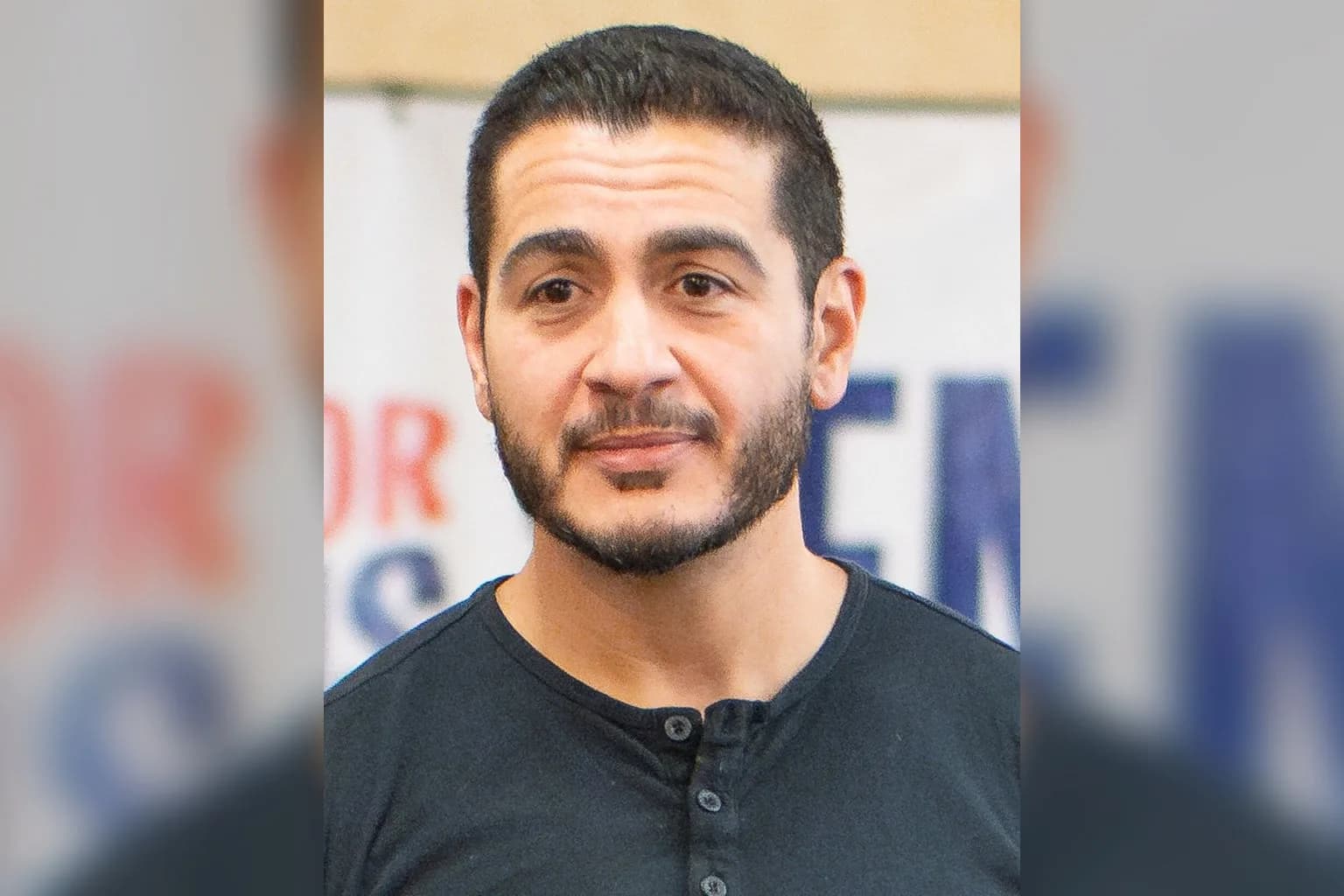
A public rupture between Michigan Democrats has put party cohesion under pressure days before Election Day in a Senate contest that could help decide which party controls the chamber.
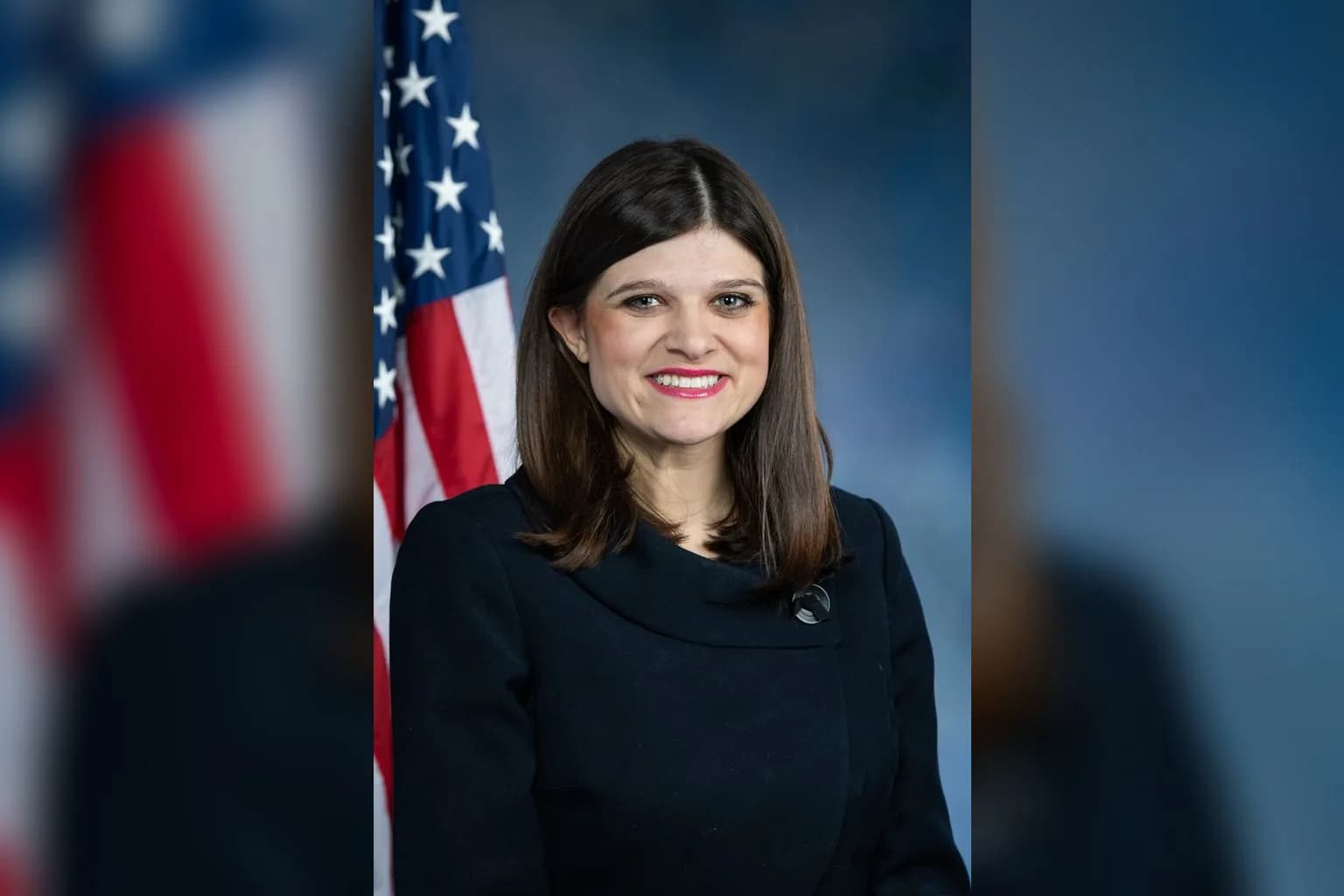
The break followed criticism from Haley Stevens of Abdul El-Sayed’s language about Israel and his response to advertisements she said he should disavow. El-Sayed’s campaign removed Stevens from a planned Sunday event and told her to keep away from future events.
Stevens, a US representative for a suburban Detroit district with a large Jewish community, narrowly lost the Democratic primary to El-Sayed on 4 August. During the contest, she drew substantial backing from Jewish and Black communities.
Advertising aimed at El-Sayed accounted for nearly $60 million in spending during the primary, including $30 million from the American Israel Public Affairs Committee, or AIPAC. Stevens endorsed him after the result, and had been due to join him at a Detroit church rally on Sunday as the election neared.
The two Democrats have struggled to present a united front. Their most recent public appearance together came on 6 August, two days after the primary, and a joint campaign stop was later cancelled.
On Wednesday, Stevens appeared on CNN and said El-Sayed should “shut out the hate and call it out”. She said he needed to speak to people in her coalition and “make them feel comfortable about coming to the polls.”
Her concerns included an advertisement from El-Sayed’s campaign using clips of conservative figures who praised him, among them former Fox News host Tucker Carlson. Stevens publicly called for the advertisement to be taken down.
In interviews with the New York Times published early Saturday, Stevens criticised El-Sayed again. “We are not going to say that the cost of groceries is because of Jews and the Jewish state,” she told the newspaper.
Another point of contention is a Rebellion PAC advertisement that attributed higher grocery prices to Israel. Rebellion PAC is a project of the commentator Cenk Uygur, and El-Sayed had not condemned its advertisement.
Stevens subsequently issued a lengthy statement urging El-Sayed to alter his rhetoric on Israel and to repudiate more clearly the Rebellion PAC commercial and the Carlson advertisement.
El-Sayed said Stevens was “relitigating a primary that ended three months ago.” His campaign then took her name out of the description of the Sunday church event in Detroit.
Representative Jim Clyburn of South Carolina is scheduled to join El-Sayed at the event, which is intended to support get-out-the-vote efforts.
The dispute has brought into view the candidates’ sharply differing positions on US policy towards the Israeli government and the war in Gaza. El-Sayed has described the war in Gaza as a genocide, and in a recent debate declined to say whether Israel or Iran represented the larger threat to the United States.
Jason Turkish, Stevens’s fiancée and a Jewish Democratic megadonor, told The Detroit News that he would vote for Republican nominee Mike Rogers. Stevens told the Times that she had met with a rabbi before their wedding and was mulling conversion to Judaism.
Rabbi Aaron Starr of Congregation Shaarey Zedek in Southfield said the atmosphere had become more strained in the campaign’s final week. “We are one week away from the election, and it feels like the temperature has turned way up. Instead of things getting better over the last seven weeks, they've actually gotten worse.”
Mallory McMorrow, a state senator who dropped out of the Democratic primary, urged Democrats to concentrate on turnout. “Michigan could very well be the state that flips control of the Senate,” she said, before urging supporters: “Lock in. Knock doors. Get out the vote. That's it.”
Stevens declined to discuss the dispute further before the election. In a text message to The Washington Post, she wrote: “when we have our democratic Senator-elect (my prediction!)”

Comments (0)