
Russian diesel supply will remain restricted for most commercial buyers through January 2027, even as designated suppliers are allowed to send cargoes abroad under an agreement announced by US President Donald Trump.
Russia had used its export ban to manage domestic supply, despite nominal diesel production exceeding domestic consumption by about 40%. Trump said his mid-October understanding with Russian President Vladimir Putin was intended to ease fuel prices before the November 3 congressional elections.
Trump announced on October 9 that Russia would make an initial 300,000 metric tons of diesel available to US and international markets. Moscow also committed to supply 500,000 tons in November and 1 million tons shortly afterward.
The arrangement has produced a two-tier system. Russia announced on Saturday that the wider export ban would run until the end of January 2027, with exempt suppliers able to export under quotas. Those quotas will rise fourfold from October levels to 2 million metric tons in November.
The US Department of the Treasury’s Office of Foreign Assets Control issued a temporary general licence on October 9 allowing transactions involving Russian-origin diesel through April 7, 2027. The licence permits specified sales and imports that would otherwise be restricted under US sanctions.
On October 16, Trump signed an executive order using Section 115 of the Lindsey O. Graham Sanctioning Russia and Iran Act of 2026. The order waived mandatory 500 percent tariffs on Russian imports and 100 percent duties on third-party petroleum buyers 48 hours before they were due to take effect.
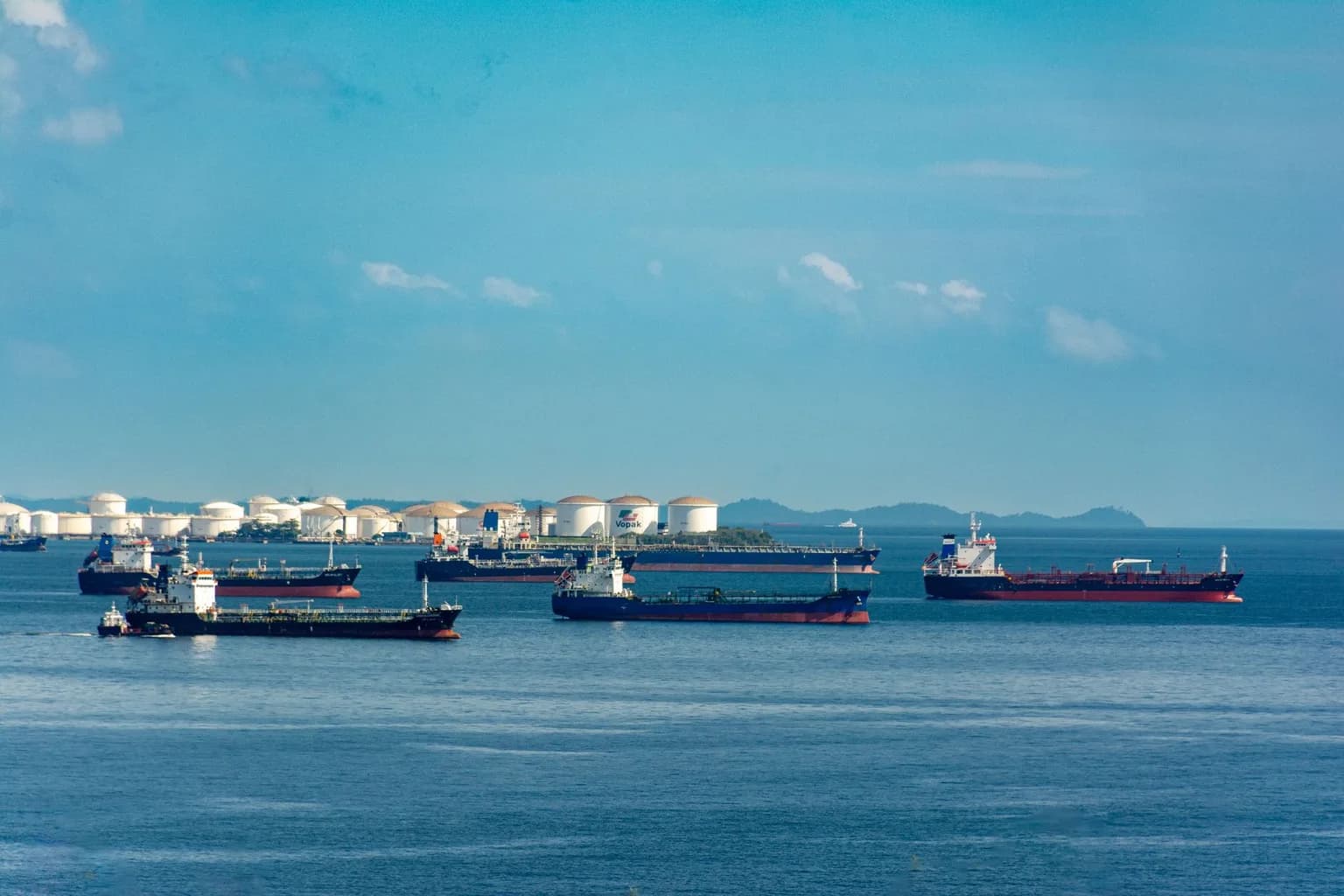
The first cargoes have already left Russia’s Baltic ports. The tanker Dolunay departed Primorsk for the Turkish port of Alanya on October 14, and the Leruo left the same port for Manaus, Brazil, on October 16.
On October 22, the Malta-flagged Agioi Fanendes loaded 40,000 metric tons of ultra-low sulfur diesel at Primorsk for New York. The shipment was scheduled to arrive on November 7.
Dmitry Peskov, the Kremlin spokesman, confirmed on Friday that the first tanker had departed under the arrangement. By late October, four commercial tankers carrying Russian refined diesel had departed Baltic Sea ports.
Alexander Novak, Russia’s deputy prime minister, said that three tankers carrying diesel for export were already under way. He projected that Russia could supply up to 3.5 million tons by the end of 2026 under the authorised exemptions.
Russia plans to export approximately 2.15 million metric tons of refined diesel in November. It exported an estimated 510,000 tons in October.
Refinery utilisation in Russia had risen 25% from the start of October by late in the month, after drone attacks on facilities subsided. That increase supported additional output under the exemptions.
Turkey has taken approximately 34 percent of Russian seaborne diesel liftings so far this year, an average of 95,000 barrels per day. Brazil accounted for 24 percent of loadings, taking roughly 66,000 barrels per day.
US diesel prices were higher than a year earlier. The national average retail price of on-highway diesel reached $6.276 a gallon on October 19, compared with $3.620 a year earlier. California recorded $8.242 a gallon.
The US had barred imports of Russian oil and petroleum products, including diesel, on March 8, 2022, following the Russian Federation’s full-scale aggression against Ukraine on February 24.
Putin agreed by phone with Trump earlier in October to release diesel under exemptions while retaining the broader ban for most commercial suppliers. Ukrainian President Volodymyr Zelensky criticised the US over the arrangement, calling it a "weak decision".



Comments (0)