
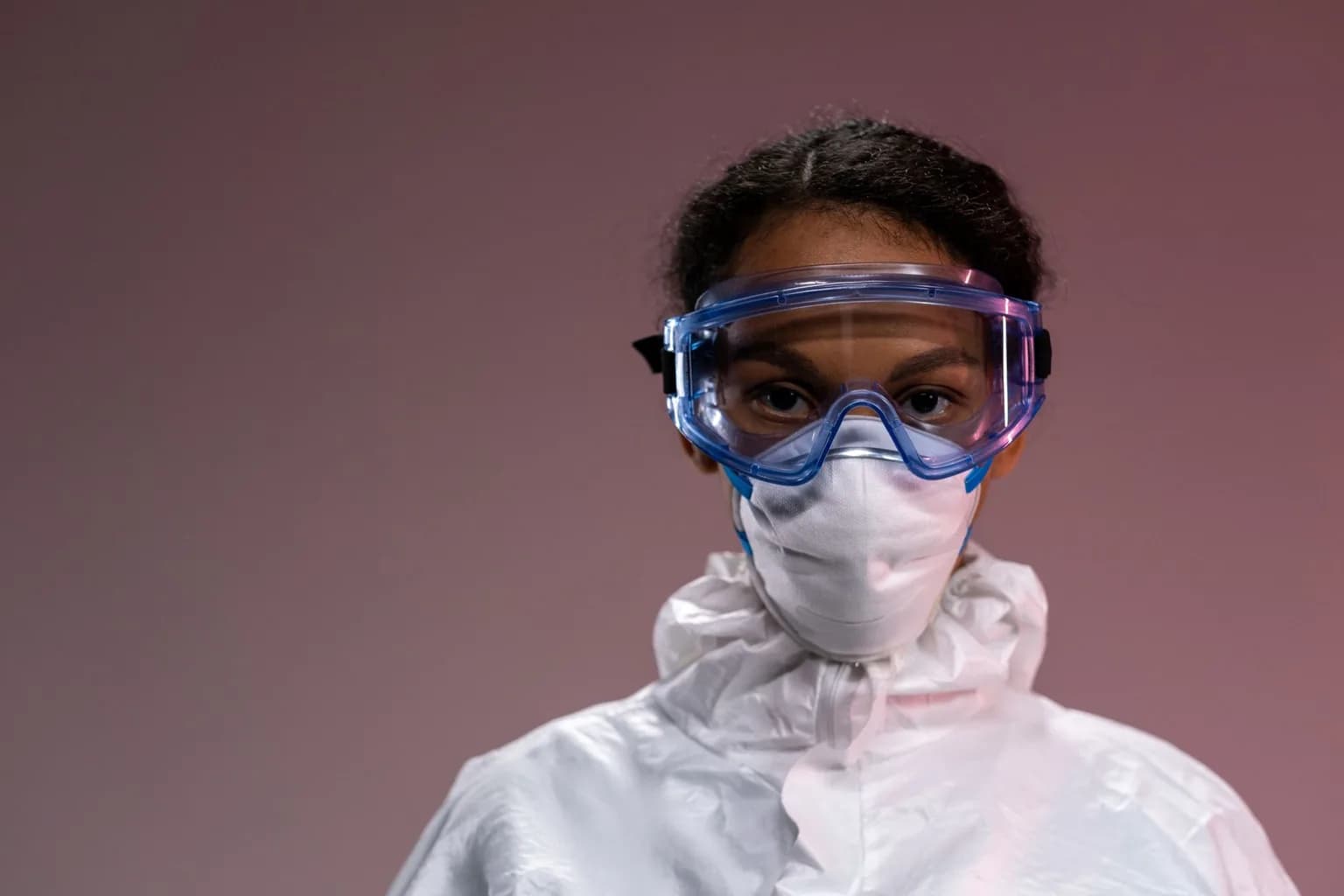
An Ebola outbreak that has killed nearly 5,000 people and infected more than 10,000 in the Democratic Republic of Congo has reached Kenya and Nigeria, extending the risk of further transmission across Africa.
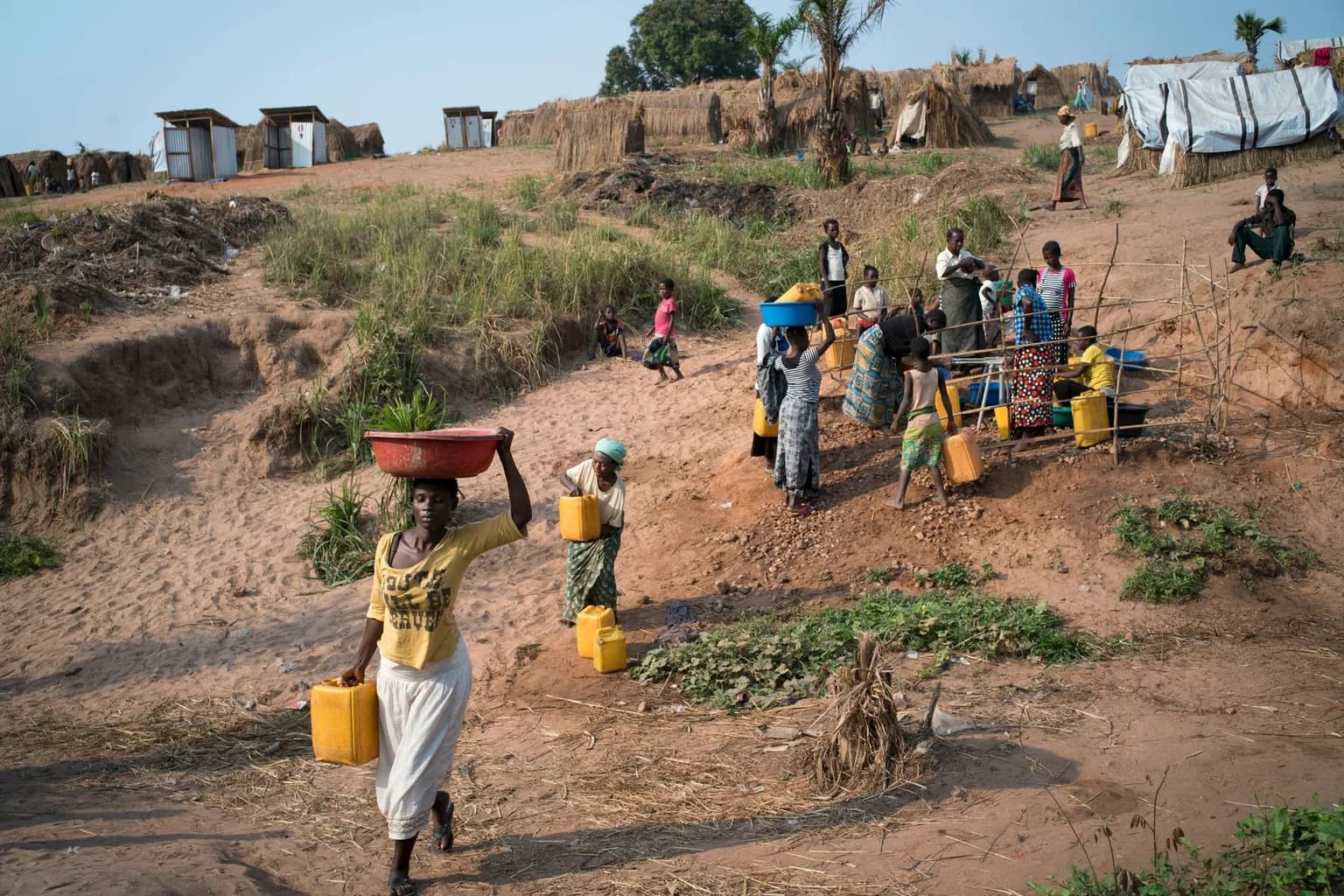
Early efforts to contain the outbreak were severely hindered by eastern DRC's security landscape, including decades of armed conflict, difficult terrain and mistrust of international actors.
The outbreak of Bundibugyo Ebola virus was first declared on 15 May in the Democratic Republic of Congo. It has since spread through Africa's central, eastern and western regions, further across the continent than any previous Ebola outbreak.
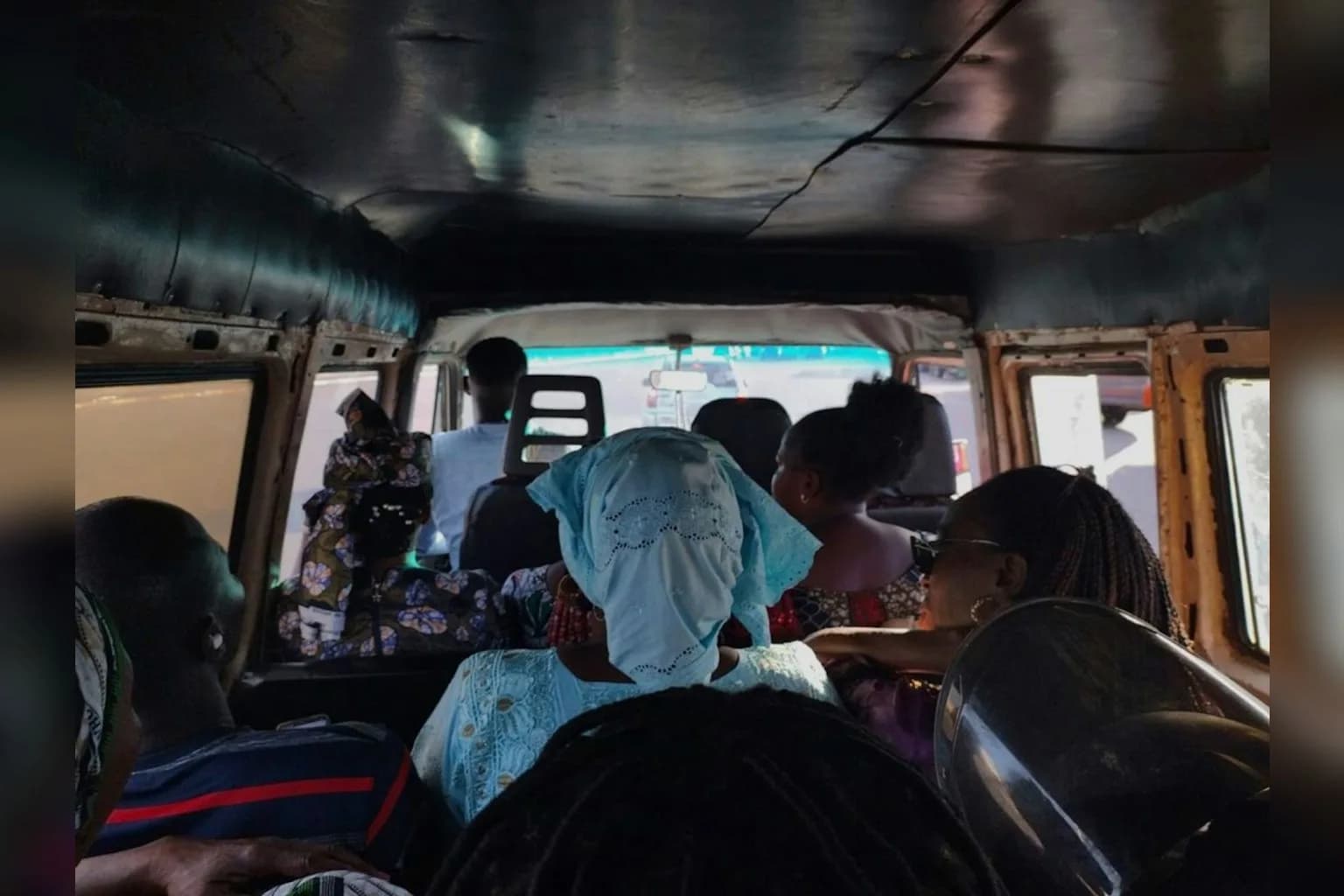
Uganda ended its own Ebola outbreak in August after 20 infections and two deaths. Kenya has since confirmed its ninth Ebola case, while Nigeria has confirmed one case.
Misaki Wayengera, a former chair of Uganda's ministry of health scientific advisory committee on epidemics, said new cases in Nairobi and Nigeria should wake up the African Union and the East African Community. He urged both bodies to work with Kinshasa to prevent further cross-border transmission.
Jean Kaseya, director-general of Africa CDC, said the Nigerian patient was the Ugandan-born wife of a Swiss diplomat who had travelled to the Ugandan capital for a holiday. Africa CDC had already begun mobilising support for Nigeria, he said.
Patrick Amoth, Kenya's director general for health, said the Kenyan patient died two days after receiving medical treatment.
The challenge in the DRC has also exposed health workers to violence. A nurse was killed and another health worker seriously injured while responding to an Ebola alert in north-eastern DRC, in an attack by local youths who accused them of contaminating water sources and spreading the virus.
At a summit on Wednesday, Uganda's health minister asked the African Union to consider deploying its standby peacekeeping and humanitarian force to help contain the outbreak. The minister said AU personnel could provide medical and logistical support, while helping to ease shortages of health workers.
The minister also called for an emergency meeting of leaders to decide on financing and a possible deployment. It remains unknown whether the African Union will approve the request, what force it could send or when leaders might meet.
Health officials from 45 African countries met to coordinate a continent-wide response. They agreed to strengthen cross-border surveillance, share information and keep borders open.
No vaccine has been approved specifically against the Bundibugyo virus, despite the scale of the epidemic.



Comments (0)