
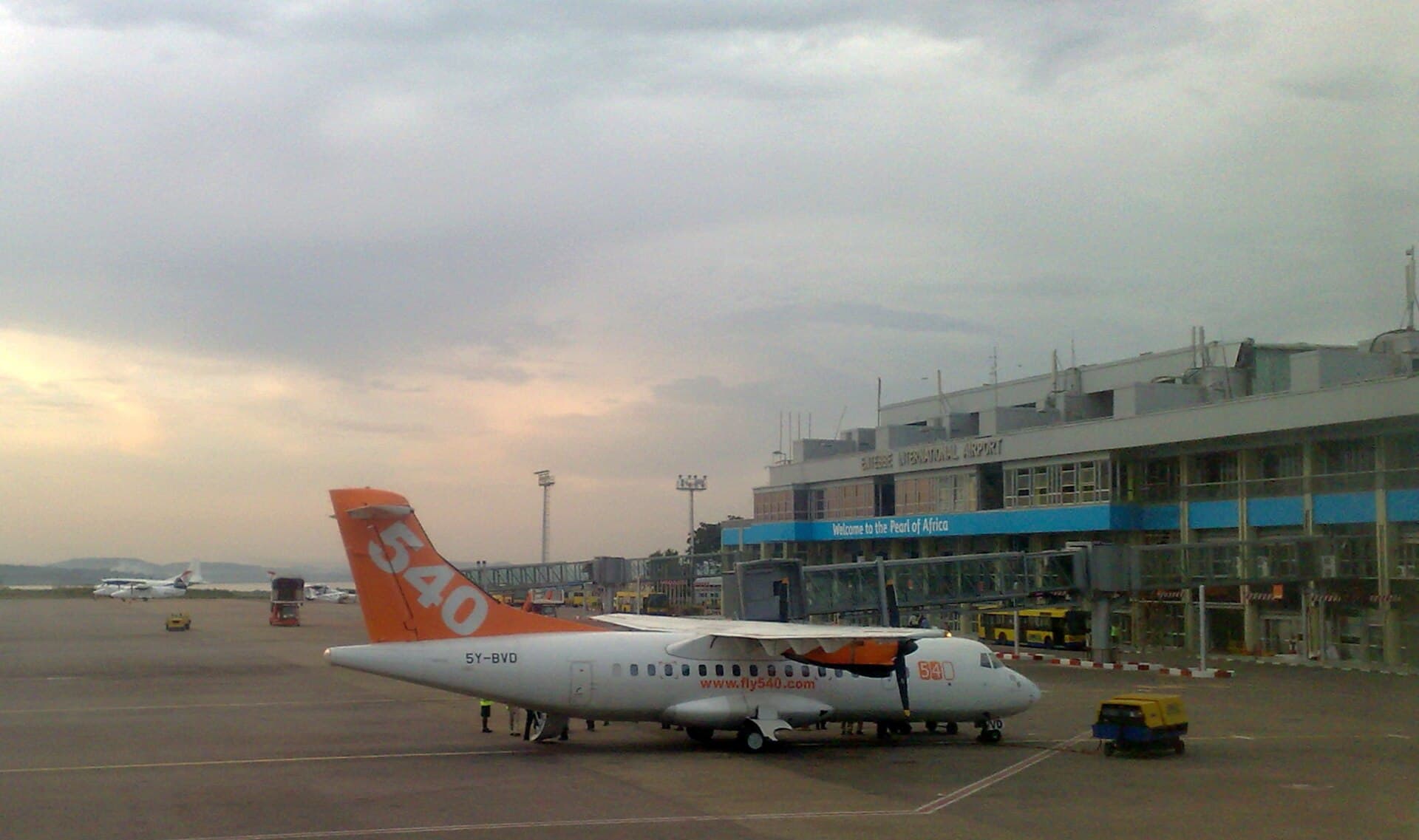
A woman who travelled to eastern Democratic Republic of the Congo for business passed through Uganda in early October without symptoms. She arrived in Nigeria on 3 October, developed fever four days later and sought medical care in Abuja on 11 October.
She tested positive for Bundibugyo virus disease on 20 October. The woman, a Swiss national of Ugandan origin married to a Swiss diplomat based in Abuja, was medically evacuated to Switzerland on 26 October.
Uganda's Ministry of Health responded on Friday, 23 October 2026 by barring travellers with a history of travel to the Democratic Republic of the Congo from transiting through Uganda.
Investigators said the woman had shown no symptoms when she departed Uganda. Uganda is working with Nigerian health authorities to establish her full travel history, movements and possible exposure.
The ministry has maintained that her passage through Uganda does not establish that she contracted Ebola there.
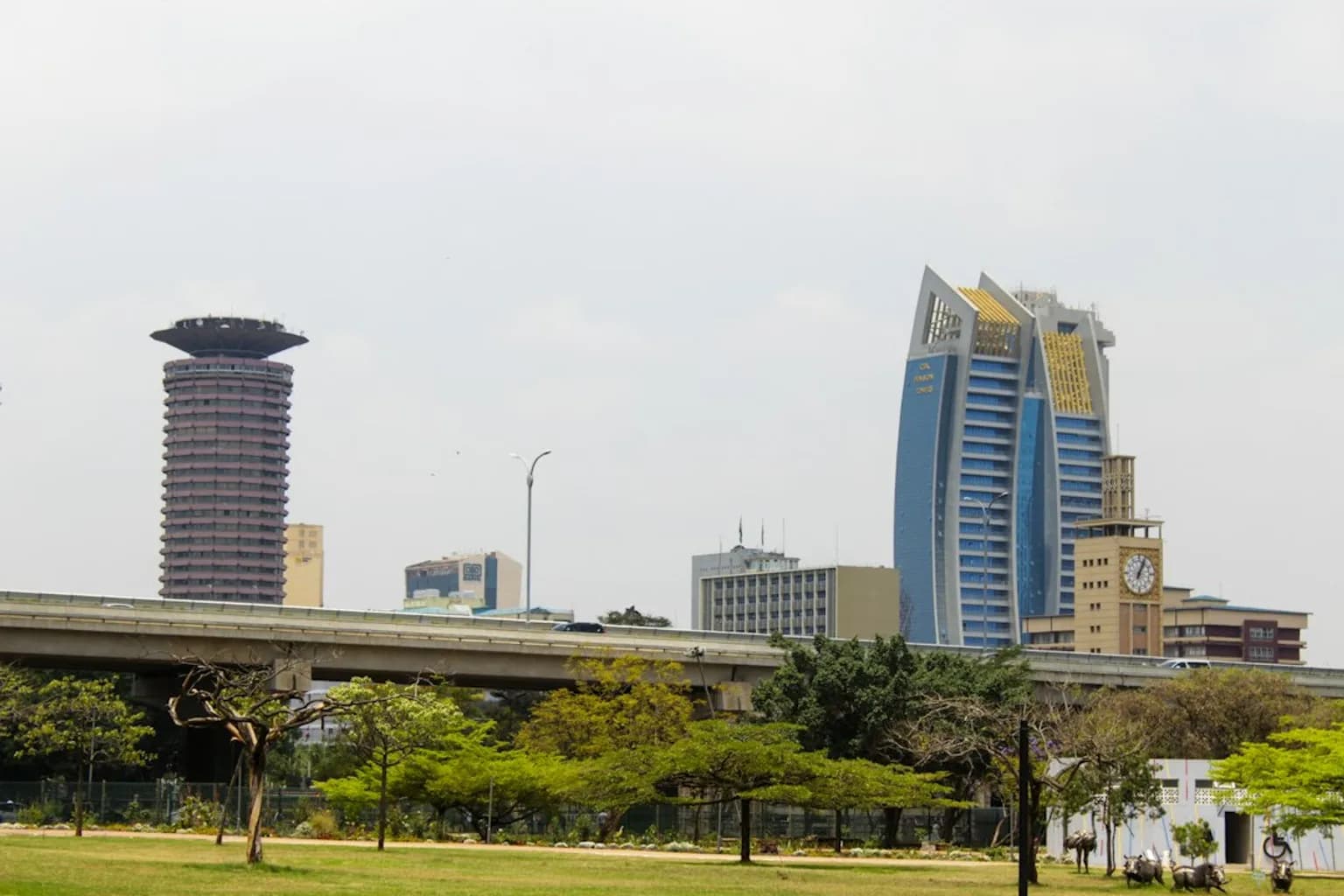
The Nigerian case followed an earlier death in Kenya. A Kenyan citizen who had been living in the DRC travelled from there through Uganda by road, arrived in Nairobi by air on 3 October, tested positive for Bundibugyo virus and died on 5 October. Kenya reported its first imported case on 6 October.
Both patients passed through Entebbe International Airport on 3 October, according to the Africa Centres for Disease Control and Prevention. Kenya recorded nine confirmed cases, including two deaths, and eight additional cases linked to the first patient.
Uganda had already faced its own outbreak. It declared an Ebola outbreak caused by Bundibugyo virus on 15 May 2026 after cases were imported from the DRC, and recorded 20 confirmed cases and 2 deaths.
The country declared that outbreak over in August after 42 days without a new locally acquired case. On 25 October 2026, all 60 contacts identified in Uganda in connection with the Kenyan traveller had completed 21 days of follow-up without developing symptoms.
Charles Olaro, the Director General of Health Services at Uganda's Ministry of Health, announced tighter border controls and new restrictions in response to the cross-border cases. The ministry reinstituted traveller locator forms, reinforced infection-prevention measures at entry and exit points, and strengthened surveillance nationwide.
On 25 October, Uganda's health minister, Dr Chris Baryomunsi, announced enhanced screening at Entebbe International Airport and land border crossings, renewed passenger locator forms, further infection-prevention measures and restrictions affecting travel across the Uganda-DRC border. Uganda said it had no active Ebola cases.
The outbreak remains centred in Ituri Province, which neighbours Uganda, with cases across eight provinces in the DRC. As of 20 October 2026, the World Health Organization said the DRC had recorded 9,704 confirmed cases and 4,687 deaths. Its overall crude case fatality rate was 48.3%.
As of 25 October 2026, the TUMAINI vaccine trial had been launched in Bunia, Ituri Province.
Muhammad Ali Pate, Nigeria's coordinating minister of health and social welfare, said on Friday that genomic sequencing found the virus in Nigeria's case was 'highly similar' to the virus in Kenya's first imported case, 'differing by just one mutation'.
Ugandan officials had earlier stressed their record on cross-border containment. On 22 May, Dr Diana Atwine, the ministry's permanent secretary, said: 'We have never exported Ebola. For the nine epidemics we have had, not even one (case of Ebola has been exported). That is our commitment.'


Comments (0)