
A 42-year-old Ugandan-born woman travelled with her husband to Uganda on 16 September, returned to Abuja on 3 October and developed symptoms on 6 October. She would become Nigeria’s first confirmed Ebola patient in more than a decade.
She spent about a week with symptoms at a private clinic in Abuja before her condition failed to improve. She was admitted to a private hospital on 11 October, and laboratory testing confirmed Ebola on 20 October.
The woman is married to a Swiss diplomat based in Abuja. Her husband, who travelled with her, is in isolation and has not developed symptoms.
The question now facing investigators is where she was infected. Uganda’s health officials had previously said she travelled to eastern Democratic Republic of Congo for business before transiting through Uganda.
That account has not been verified by other authorities. The World Health Organization, Africa Centres for Disease Control and Prevention and Nigeria’s health ministry said they had received no verified information confirming travel to the Democratic Republic of Congo.
Switzerland’s foreign ministry said the woman did not travel to the Democratic Republic of Congo and believes she contracted the virus while in Uganda.
Pavel Ursu, the WHO representative in Nigeria, said the agency’s information placed her in Uganda from 16 September until her return to Abuja on 3 October, with no information establishing travel outside Uganda.
Wessam Mankoula of Africa CDC said there was no validated information confirming that the patient had travelled to the DRC. Catherine Smallwood, the WHO Ebola incident manager in DR Congo, said WHO staff there had no information showing that the Nigerian patient had been in the country.
Patrick Otim, a WHO emergency response manager, said the source of infection remained unknown while investigators worked to reconstruct the woman’s movements before she fell ill.
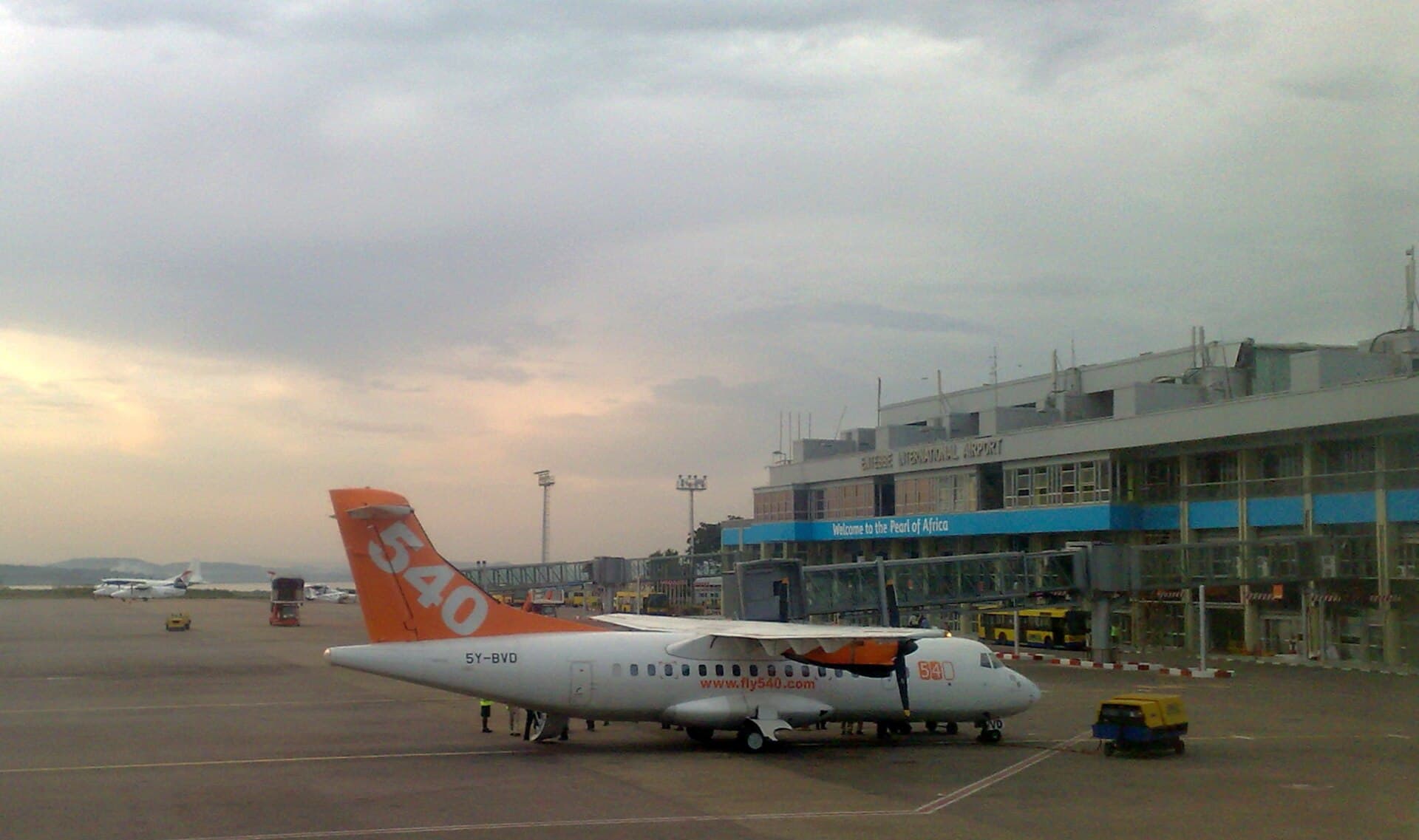
Officials are also examining whether she may have crossed paths at Uganda’s main airport on 3 October with a Kenyan man who died from Ebola. The man had travelled from DR Congo through Uganda before arriving in Nairobi on 3 October.
The patient has the Bundibugyo species of Ebola, the same species involved in the outbreak in the Democratic Republic of Congo. There is no approved vaccine or treatment for that species.
Uganda had declared itself Ebola-free in August after an outbreak in May and June, with most cases imported from DR Congo.
The Democratic Republic of Congo outbreak began in mid-May and has infected more than 9,500 people, killing nearly half of them. It is the country’s largest and deadliest Ebola outbreak, and second only globally to the 2014-16 outbreak in west Africa.
Nigerian health authorities have identified 44 people who may have been exposed to the patient, including healthcare workers, patients, caregivers and travel contacts.
Muhammad Ali Pate, Nigeria’s health minister, said the case remained contained and that contact-tracing was continuing.
All 25 staff at the Swiss embassy in Nigeria were in good health and did not need to isolate.

Comments (0)