
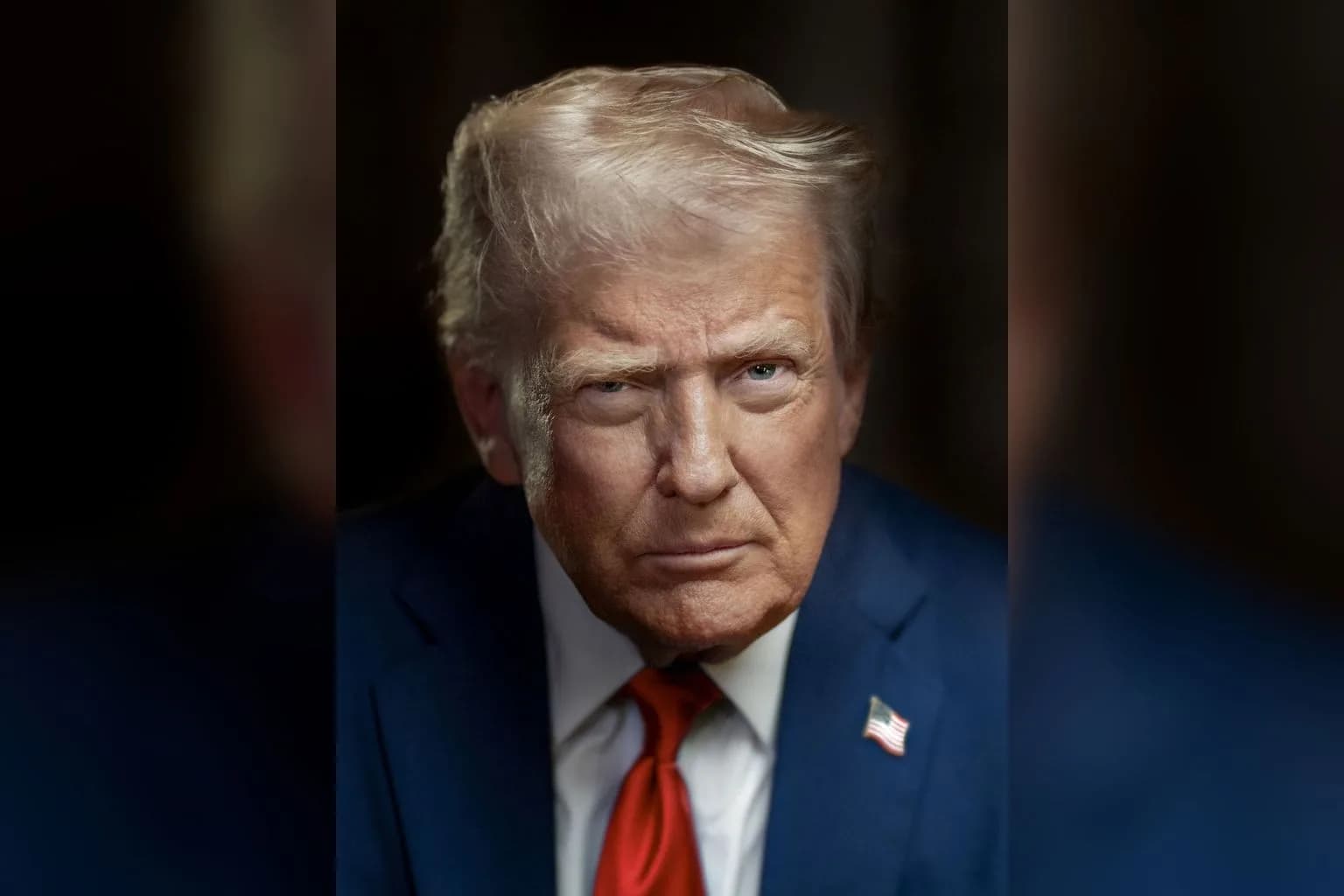
President Donald Trump must sit for a deposition by 11 December in his $10 billion defamation case against the BBC, a federal judge in Miami ruled at a Thursday hearing.
US Magistrate Judge Enjoliqué Lett set the deadline after the BBC said it had been unable to question Trump under oath nearly eight months into the discovery process. Discovery is scheduled to end on December 18.
Trump had been due to give evidence on 16 October. He cancelled, citing “matters of national importance”, while campaigning in Georgia. That day, he attended a midterms campaign rally in Dalton, Georgia, and a fundraiser at his Mar-a-Lago property in Florida.
Charles Tobin, the BBC's lawyer, told the court: “we still haven't been able to depose the plaintiff”. He added: “He was participating in party politics and prioritised that over sitting for the deposition.”
Trump's lawyers said he could appear between 11 and 22 January next year. They said the BBC was “wrong to claim that President Trump is avoiding his deposition in this action.”
Judge Lett said Trump must meet the 11 December deadline unless the discovery period is extended. She also warned his lawyers that the complaint could be dismissed if he failed to comply with orders to provide the BBC with records relevant to the case. The same consequence could follow if he does not sit for the deposition, unless discovery is extended beyond its scheduled end.
Trump sued the BBC in December 2025 over a Panorama documentary that he says falsely edited his 6 January 2021 speech outside the US Capitol to suggest he directly incited violence. His lawsuit accuses the broadcaster of “intentionally, maliciously, and deceptively doctoring” that speech.
The programme combined extracts from two separate parts of the speech given before the 2021 Capitol riot. The BBC acknowledged that its filmmakers had spliced sections together to make it appear Trump was directly calling for violence. One part left out was his appeal to fight “peacefully”.
The BBC apologised and said the broadcast had created “the mistaken impression that President Trump made a direct call for violent action”. The BBC's director-general and its top news executive resigned after the editing controversy.
Trump sued on 15 December, alleging that the Panorama film was a “false, defamatory, deceptive, disparaging, inflammatory, and malicious depiction of President Trump”. The documentary aired one week before the 2024 presidential election. His suit says it formed part of a “brazen attempt” to influence the election outcome “to President Trump's detriment”.
The BBC denies defaming Trump and has asked the court to dismiss the case. It argues that the programme does not meet the legal test for defamation and was unavailable in the US. In July, Trump's lawyers conceded they had no evidence that the documentary was available in the US through the BBC's BbitBox subscription service, the BBC website, BBC select or US broadcasters.
Comments (0)