
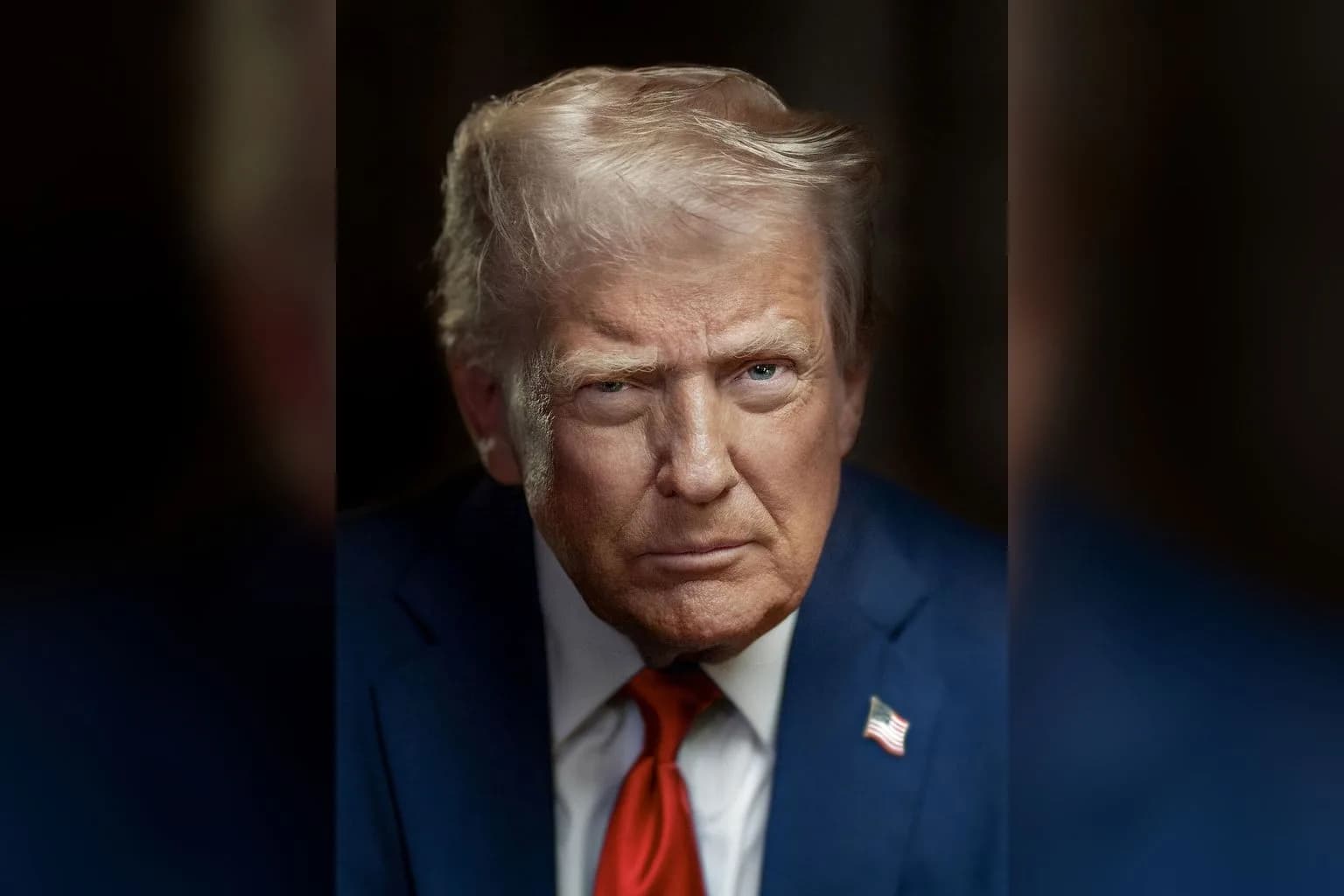
Donald Trump can no longer refile his US$10 billion defamation case against The Wall Street Journal and Rupert Murdoch after a federal judge in Miami dismissed it with prejudice.
US District Judge Darrin Gayles found that Trump had failed to prove the defendants acted with actual malice, the legal requirement for his claim. The judge said the lawsuit had tried to “manufacture” flaws in the Journal’s reporting and described Trump as “grasping at straws”.
The dispute arose from a Wall Street Journal article published on 17 July 2025. Khadeeja Safdar and Joseph Palazzo reported that a letter bearing Trump’s name had been included in a 2003 album assembled for Jeffrey Epstein’s 50th birthday.
The Journal said the letter had been collected by Ghislaine Maxwell and contained typewritten words framed by the outline of what appeared to be a hand-drawn naked woman. It ended: “Happy Birthday – and may every day be another wonderful secret”.
Palazzo’s description of the drawing said: “A pair of small arcs denotes the woman's breasts, and the future president's signature is a squiggly Donald below her waist, mimicking pubic hair”.
Trump denied that he wrote the letter. “This is not me. This is a fake thing,” he said. He also said: “I never wrote a picture in my life. I don't draw pictures of women.”
He called the Journal’s report “false, malicious and defamatory” and sued Murdoch, Dow Jones, News Corp. chief executive Robert Thomson, Safdar and Palazzo. The complaint accused the paper and its reporters of “knowingly and recklessly” publishing “numerous false, defamatory and disparaging statements”.
Gayles had dismissed the first complaint in April 2026 while allowing Trump to amend it. Trump filed a revised complaint in May 2026, alleging that the Journal reporters “did not have access to any such letter when the Article was published”.
The House Oversight Committee later released documents that included a letter matching the Journal’s description.
Maxwell, who is serving a sentence for her role in trafficking of underage girls, said in an interview in July of 2025 that she did not remember submitting a Trump letter for Epstein’s birthday.
In his 20-page ruling on Saturday, Gayles said the Journal had not suppressed Trump’s response. Instead, the judge wrote, it “informed readers that President Trump decried the letter as a fake and denied writing it”.
A dismissal with prejudice prevents the case from being filed again. A Dow Jones spokesperson said: “We're pleased with the court's decision”.
A spokesman for Trump’s legal team said the president “will continue to press forward in his powerhouse lawsuit against the Wall Street Journal and all of the other defendants”. The legal team told CNBC that Trump plans to appeal.


Comments (0)