
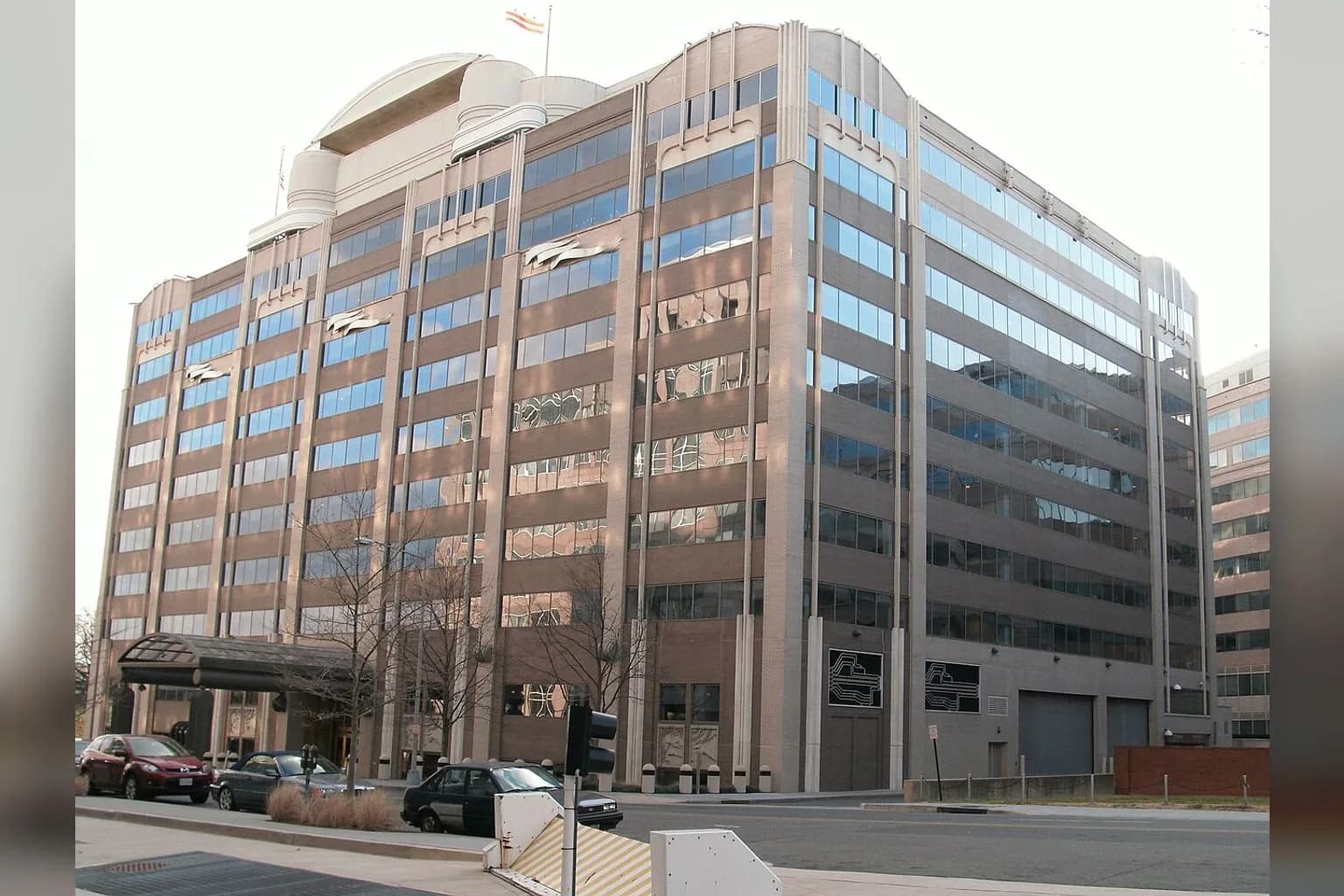
When the Federal Communications Commission met in open session on 29 October 2026, it voted for an order that will end recognition of test laboratories in mainland China and bar laboratories and certification bodies in China and other economies lacking a mutual recognition agreement or reciprocal trade agreement with the US. The restrictions take effect on 1 December 2028.
The decision reaches into a less visible part of the electronics business: the laboratories that assess devices seeking FCC equipment authorisation. Chinese facilities now process 82 percent of all such applications, while US labs handle fewer than 4 percent.
The FCC says the labs are a sensitive point of entry into the country’s communications system. “These labs are a critical gateway into American communications infrastructure. And their privileged role gives them access to sensitive and confidential information about electronic products often months before the devices enter the market,” the agency said.
The order requires manufacturers to route their testing pipelines through laboratories in countries offering US firms reciprocal market access. It gives them approximately 25 months to make the change, rather than the three-to-five year transition sought by industry groups.
The vote comes weeks before President Donald Trump is due to meet Chinese leader Xi Jinping on the sidelines of the Asia-Pacific Economic Cooperation summit in Shenzhen.
Brendan Carr, who took the FCC’s top job in January 2025, announced the proposed ban on 7 October 2026; the agency published the draft the following day. He cast the final decision as part of the administration’s wider approach to foreign economic relations, saying: “This is consistent with President Trump's broader effort to restore balance and fairness with respect to America's dealings with foreign nations.”
The scale of the rerouting task reflects a long shift in where FCC testing is done. In 2007, US laboratories handled approximately 31 percent of authorisation testing and Chinese laboratories approximately 13 percent. Of 609 test laboratories currently recognised by the FCC, 25.1 percent are in mainland China, 18.4 percent in Taiwan and 17.9 percent in the United States.
Cost has been one reason for the concentration. Michael Schafer, chief executive of Compliance Testing, told the FCC that mainland laboratories price testing 30 to 70 percent below what a US laboratory can charge.
The regulator’s scrutiny of the system began after it discovered in 2024 that Chinese technology giant Huawei was operating an FCC-recognised Test Lab. The FCC had already blacklisted telecommunications equipment made by Huawei and several other Chinese companies over security concerns.
In May 2025, the agency adopted rules that removed recognition from 29 laboratories it found were owned or controlled by a foreign adversary. In June 2026, it found 33 incorrect or false test reports from SLG-CPC Test Laboratory, including reports that were identical despite being filed for different products.
China has no mutual recognition agreement with the FCC. Its National Intelligence Law, enacted in 2017, requires organisations and citizens in China to support, assist and cooperate with national intelligence work.
The action follows another broad FCC restriction on foreign-made technology. DJI’s aircraft were cut off on 22 December 2025, when the commission placed every foreign-made drone and UAS critical component on the Covered List.
Six trade groups, INCOMPAS, the Telecommunications Industry Association, the Consumer Technology Association, the Information Technology Industry Council, the National Electrical Manufacturers Association and the Association of Home Appliance Manufacturers, filed a joint letter against the geographic ban. Their request for more time was overtaken by the commission’s decision to set the 1 December 2028 deadline.
Comments (0)