
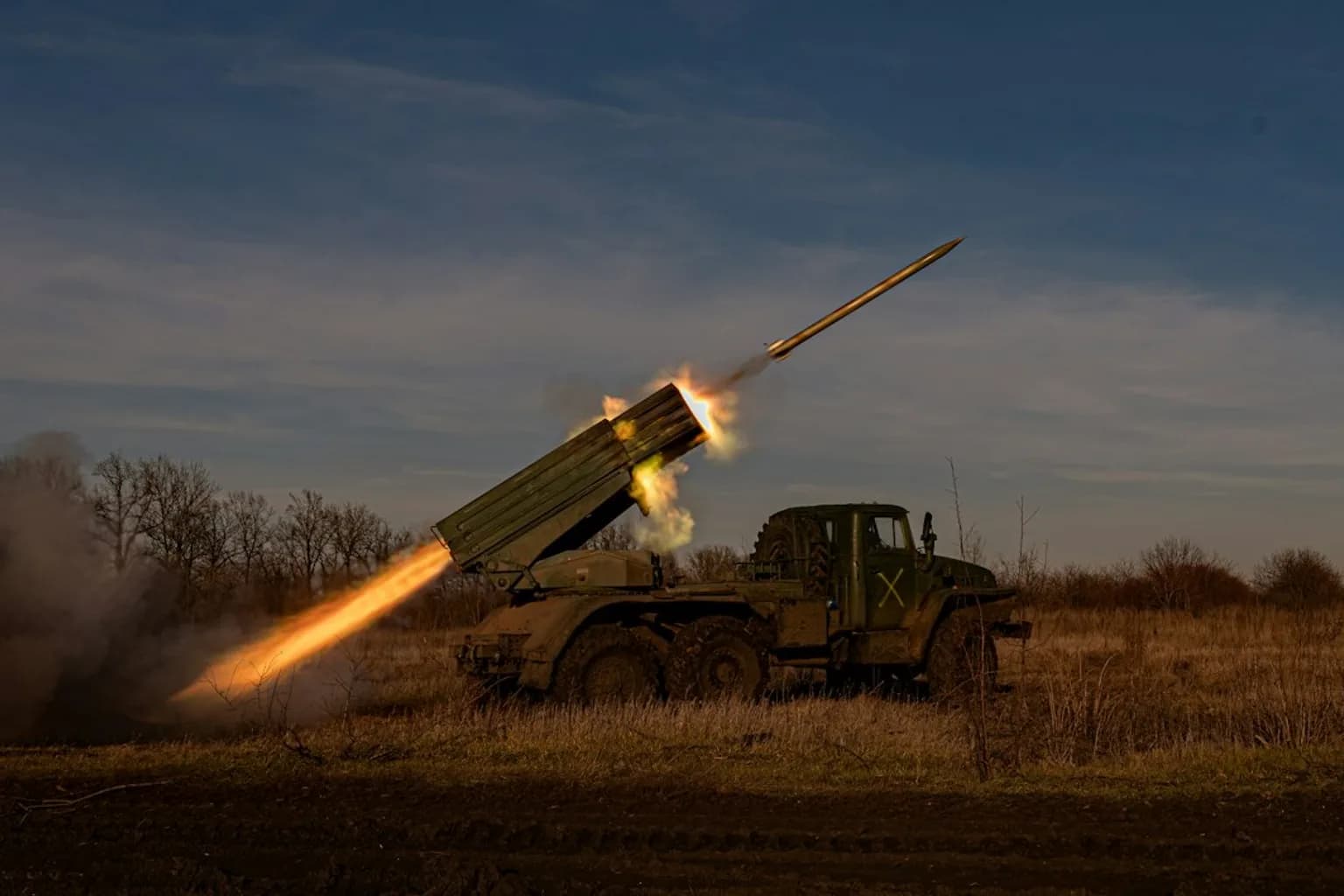
Kyiv was struck by three overnight waves of ballistic missiles on Wednesday-Thursday, killing at least one person and wounding 24. The attacks damaged metro infrastructure on the capital’s South Bridge and a medical facility in the Pechersk district.
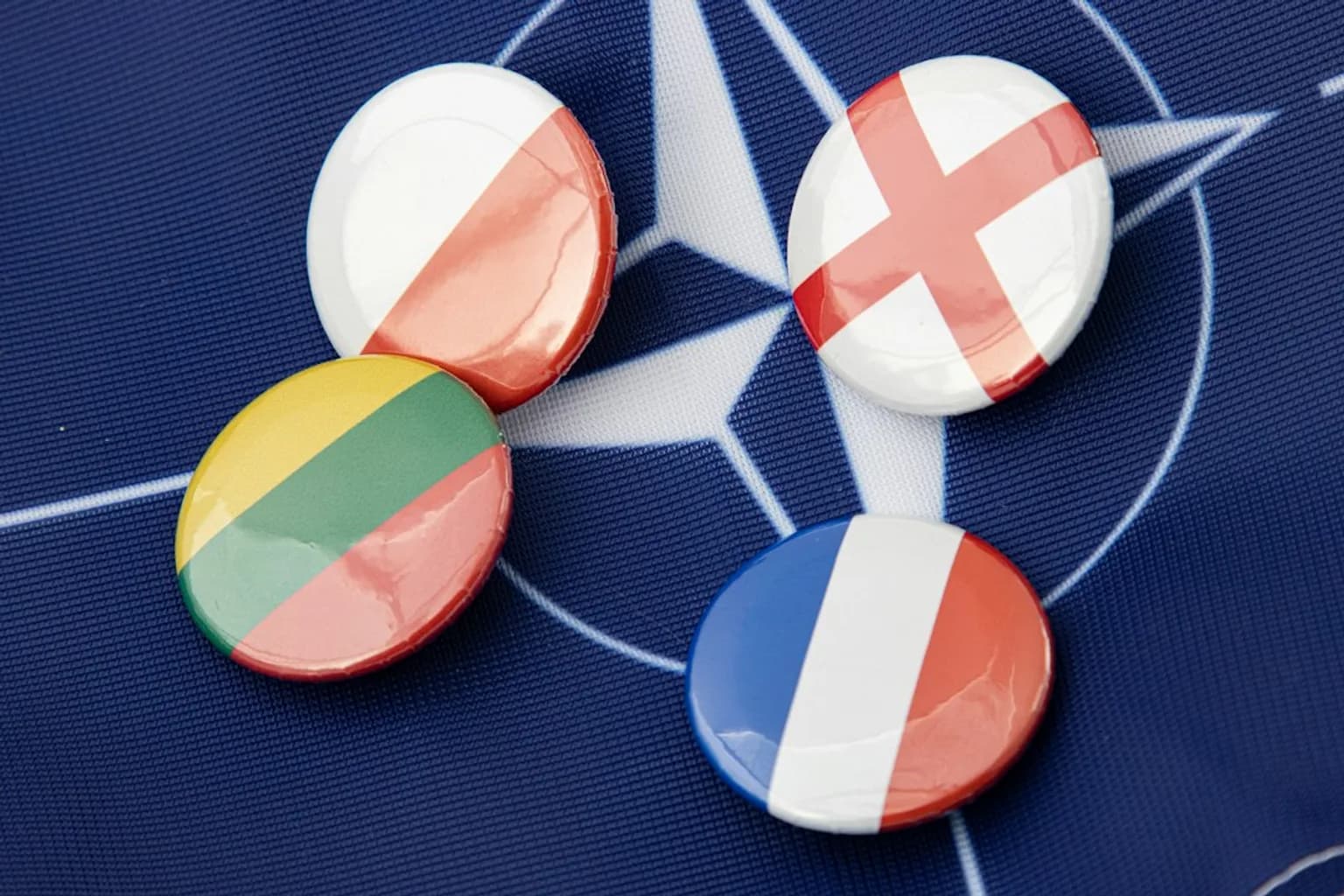
Against that pressure, Ukraine will be able to order weapons, ammunition and military supplies through the NATO Support and Procurement Agency’s centralised procurement channels, the Financial Times reported on Thursday. The agency, known as the NSPA, manages procurement and logistical support for NATO members and partners.
The arrangement could let Ukraine draw on NATO’s existing procurement system and supplier network instead of negotiating each purchase separately. It is intended to give Kyiv a more reliable route to military supplies while US support remains uncertain.
Jacqueline Borsboom, the NSPA’s director of support to operations, said the partnership gives Ukraine “the ability to have a more structured framework to leverage procurement expertise, support services and access to established industrial base.”
The agreement also brings Ukrainian manufacturers closer to NATO’s defence industrial system. An NSPA decision in April made Ukrainian arms makers eligible to compete in tenders. During the past week, 150 Ukrainian arms makers attended an industry event in Kyiv to learn how to register as eligible suppliers and compete for contracts.
Alyona Getmanchuk, head of Ukraine’s Mission to NATO, told the Financial Times that she hoped the deal would offer expanded access to the alliance’s supply network and “an important gateway into NATO’s defense industrial ecosystem.”
The mechanism is separate from the Prioritised Ukraine Requirements List, or PURL. NATO says more than $6 billion in military equipment has been funded through PURL since the initiative was launched in July 2025.
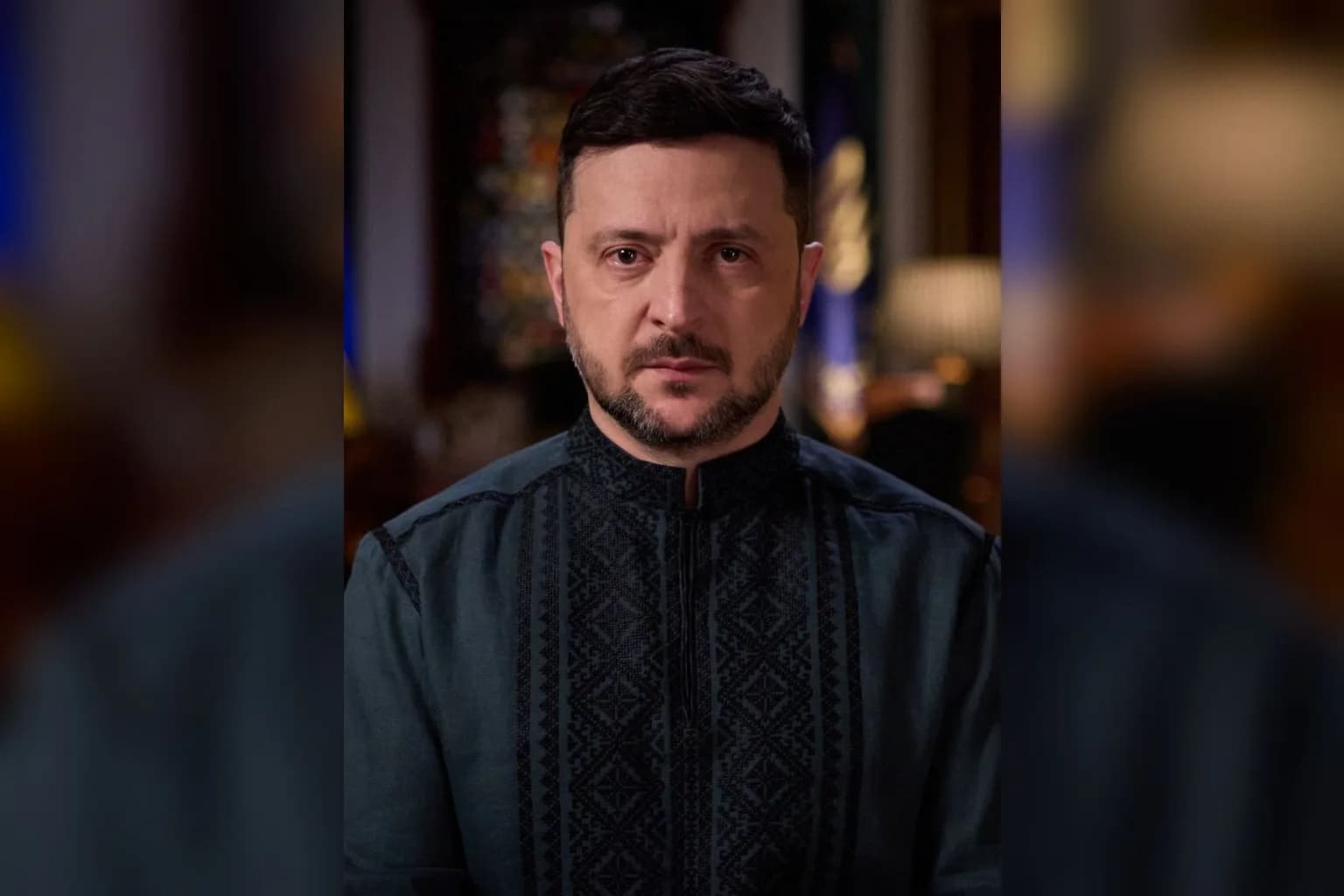
Its arrival coincides with a rift between Kyiv and the White House over the PURL programme. President Volodymyr Zelensky has accused the US administration of delaying Patriot missiles already paid for through PURL, while the Pentagon must approve the procurement and transfer of Patriots.
Kyiv has sought US-made Patriot air defence systems and PAC-3 missiles, which can down Russian ballistic missiles. Zelensky said Tuesday that Ukraine’s PAC-3 missile stockpiles had been exhausted.
Ukraine has also reported disruptions to US-provided capabilities, including intelligence sharing and the Starshield satellite system. After talks in Oslo this week, Zelensky said efforts were under way to resolve those issues.
The NSPA arrangement creates another channel for Ukraine’s military purchases and opens NATO tenders to its own arms makers. It does not set out a timetable for full operation, the supplies Kyiv will prioritise, or the value of orders Ukraine expects to place through the agency.



Comments (0)