
King Charles III arrived in the Bahamas to a ceremonial welcome that included a guard of honour of 96 members of the Royal Bahamas Police Force and the Royal Bahamas Defence Force, who presented a royal salute. At the Future Bahamas Youth Rally and Exhibition at Clifford Park, the site where the Bahamas officially gained Independence in 1973, he acknowledged “the great suffering and injustices of the past.”
Outside the event, around a dozen people held a small protest calling for reparations. Their placards read: “Pay us what you owe us.”
The question will follow the King to Antigua and Barbuda next week, where he will preside over the Commonwealth Heads of Government Meeting, known as CHOGM. Leaders from the Commonwealth’s 56 member states will assemble there, and the King is due to give the opening address to presidents, prime ministers and other national representatives on Tuesday.
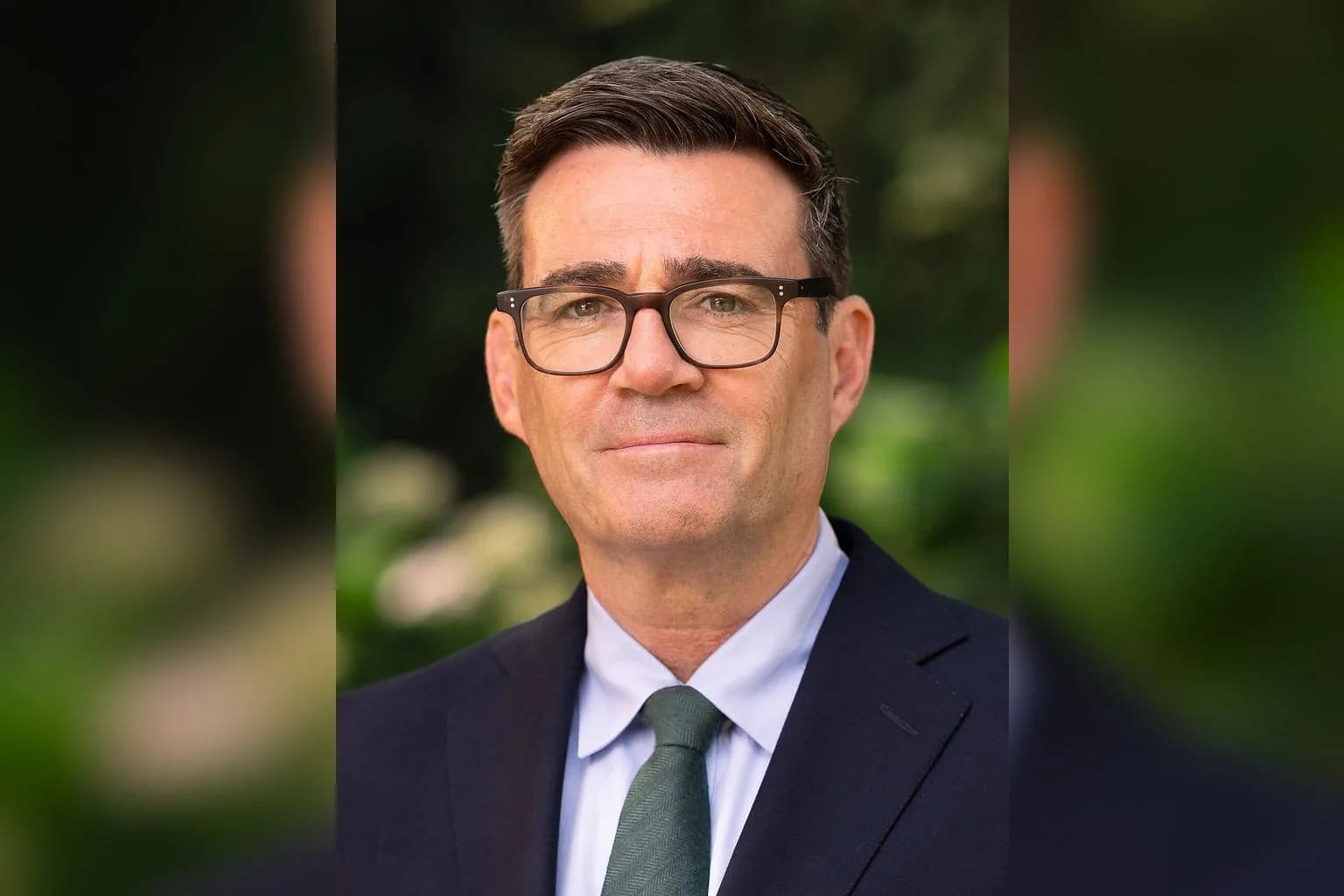
Prime Minister Andy Burnham, who took office on July 20, will attend the summit facing renewed Caribbean calls for the UK to apologise for its role in the slave trade and to provide reparations. Burnham has said he is open to a formal apology for Britain’s role in the transatlantic slave trade, while ruling out financial reparations.
Writing in The Guardian, Burnham said: “I do not think that British people today can be held liable for historical wrongs, however heinous, that happened in a different age under different laws and in which they played no personal part.” He described the trade as a “brutal and barbaric violation” and said he wanted a “dialogue with those affected by the slave trade.”
Britain’s government has never issued a formal apology for slavery or offered reparations. A government source told the BBC that a formal apology was “morally the right thing to do.”
The King has acknowledged the history during his tour while following government advice against making an official apology. Before the summit, he visited Independence Park in Georgetown, Guyana, where 33 people involved in the Demerara Rebellion of 1823 were hanged. Accompanied by Guyana’s culture minister, Steven Jacobs, he acknowledged the country’s history of slavery and resistance.
Guyana’s President Mohamed Irfaan Ali said the King had recognised slavery as the darkest days in human history, but that moving to an apology was “the next step.” Commonwealth Secretary-General Shirley Botchwey said last week that an apology for Britain’s role in the slave trade “wouldn’t hurt.”
The argument reaches back through Britain’s own record. From the 16th Century, English authorities and the monarchy were prominent participants in the centuries-long slave trade. When Parliament abolished slavery in 1833, the law included compensation payments to British plantation owners for the loss of their slaves. The UK finished paying the debt incurred for those payments in 2015.
At the 2024 CHOGM in Samoa, Keir Starmer personally redrafted a key passage on reparations on a screen surrounded by other leaders. The final communique referred to a “conversation towards forging a common future based on equity.” At the United Nations in May, 123 countries approved a motion calling for “inclusive, good-faith dialogue on reparatory justice”; the UK abstained.
Mia Mottley, Barbados’s prime minister, announced a manifesto from Caribbean leaders in June setting out the “moral, ethical and legal case” for reparations. She welcomed Burnham’s statement and said she would engage in good faith while continuing to seek reparatory justice.
Denis O’Brien, who founded The Repair Campaign in 2022 to seek financial reparations for the Caribbean, said Burnham’s statement was disappointing and fell short. He called on Britain to “stop obfuscating and give a full and formal apology now” before the summit. Foreign Secretary Ed Miliband told POLITICO last month that reparations are not “the answer.”
Downing Street believes strengthening the Commonwealth serves the UK’s interests as China and Russia seek to exert influence. The meeting in Antigua and Barbuda will therefore bring together a British offer of dialogue and possible apology with Caribbean demands that still include reparatory justice.

Comments (0)