
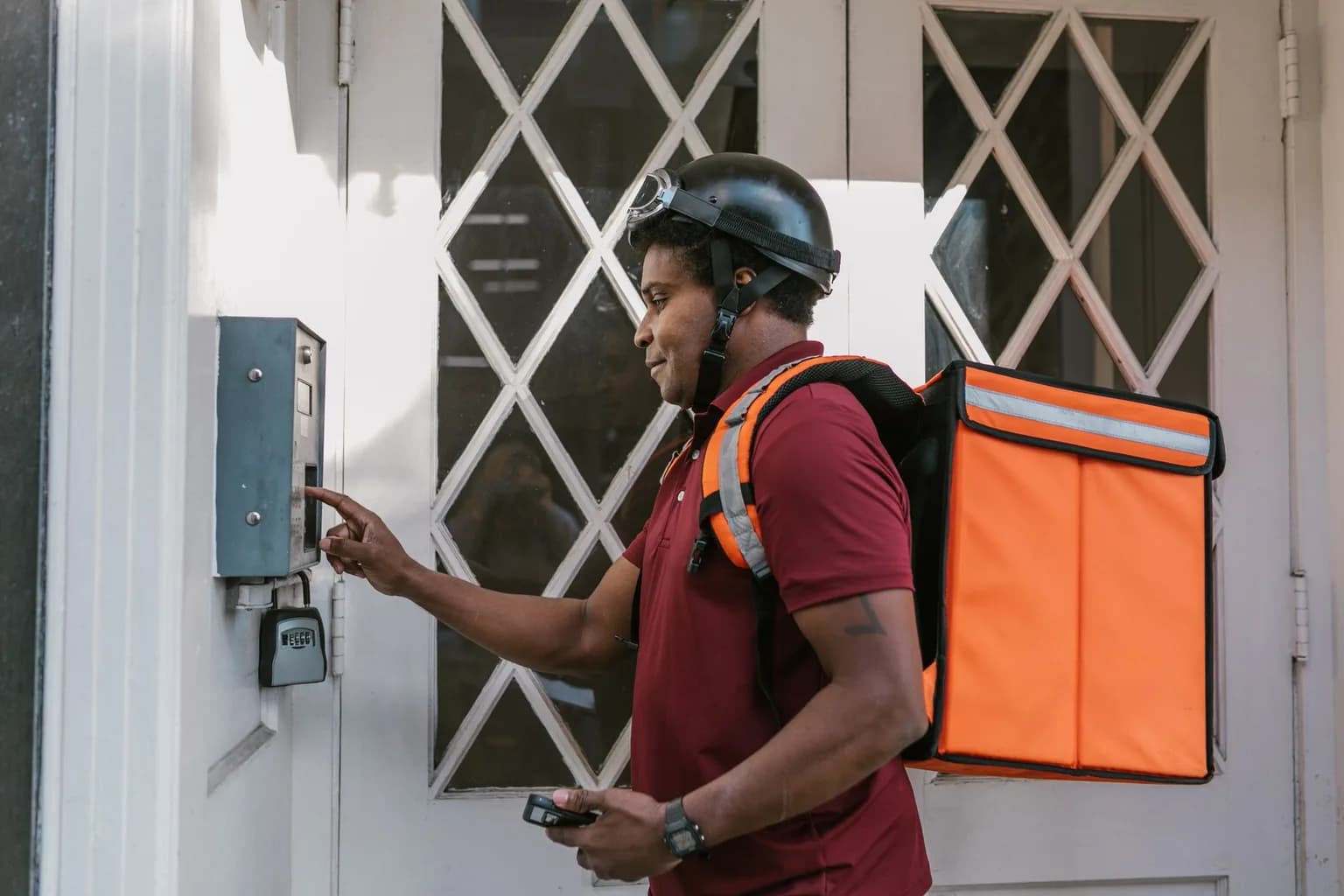
DoorDash said on Thursday that it was offering $17 billion for Instacart, a deal that would bring together two major delivery platforms while leaving Instacart’s brand and app in place.
The offer values Instacart at $65 per share, a 26% premium to its closing share price on 22 October. It would be DoorDash’s biggest acquisition to date.
DoorDash has built its position in grocery delivery since 2020, including a partnership with Kroger in 2022 and the addition of Costco delivery last month. Its share of US delivery-platform spending rose from 44% to 59% over five years, while Instacart’s fell from 26% to 18%.
The companies had considered a transaction for several years before Thursday’s announcement. DoorDash operates in 40 countries, while Instacart focuses on grocery and convenience-store delivery in the US and Canada.
Tony Xu, DoorDash’s co-founder and chief executive, said Instacart had built a distinct brand with loyal customers. He said the combined company could lower prices and speed up deliveries, while offering delivery workers “more earnings”.
Xu has described the practical challenge of grocery delivery in concrete terms: a shopper must choose a ripe avocado, find a substitute a customer would choose and deliver ice cream before it melts.
Under the proposed terms, Instacart’s shoppers could continue to fulfil orders. Instacart customers would gain access to 50,000 additional stores covered by DoorDash, and people paying $9.99 a month for separate DashPass and Instacart+ memberships could pay a single fee instead.
Chris Rogers, Instacart’s chief executive, said joining DoorDash would allow the company to do more after 14 years of changing online grocery. Ravi Inukonda, DoorDash’s chief financial officer, said DoorDash planned to list its restaurant platform on Instacart and cross-list merchants across the two apps to drive top-line growth.
The companies will operate as independent businesses until the transaction is completed. The deal requires approval from Instacart shareholders and government regulators, and is expected to close by the end of 2027 or in early 2028 if those approvals are secured.
The proposal has met a sharp response in New York City, where the Department of Consumer and Worker Protection reached a $131.5 million settlement with DoorDash last month after investigating how the company paid delivery workers. The settlement addressed allegations of underpaying workers and included returning some money to workers.
Months earlier, the department had enforced a law requiring delivery companies to give customers the option to tip at checkout. In responding to the proposed acquisition, it warned about further consolidation in the sector.
Mayor Zohran Mamdani wrote on X: “Corporate consolidation means higher prices, harsher exploitation, and greater economic inequality for New Yorkers.” He said the city had confronted such companies before and would continue to do so.
Samuel A.A. Levine, the department’s commissioner, said the transaction “continues a troubling trend of mega-corporations consolidating while working to divide workers and consumers.” He added: “Whether or not this merger proceeds, we will fully enforce delivery workers’ rights.”
The workforce at the centre of the deal is large. Instacart has 600,000 independent-contractor shoppers, while DoorDash completed more than 3 billion orders last year through a network of 9 million independent delivery workers. Instacart fulfilled 338 million orders last year.
Gridwise data published in March put Instacart workers’ earnings at about $13 an hour and DoorDash workers’ average at about $11 an hour.
The deal comes as Amazon and Walmart expand their own delivery networks, particularly for same-day delivery and fresh food.


Comments (0)