
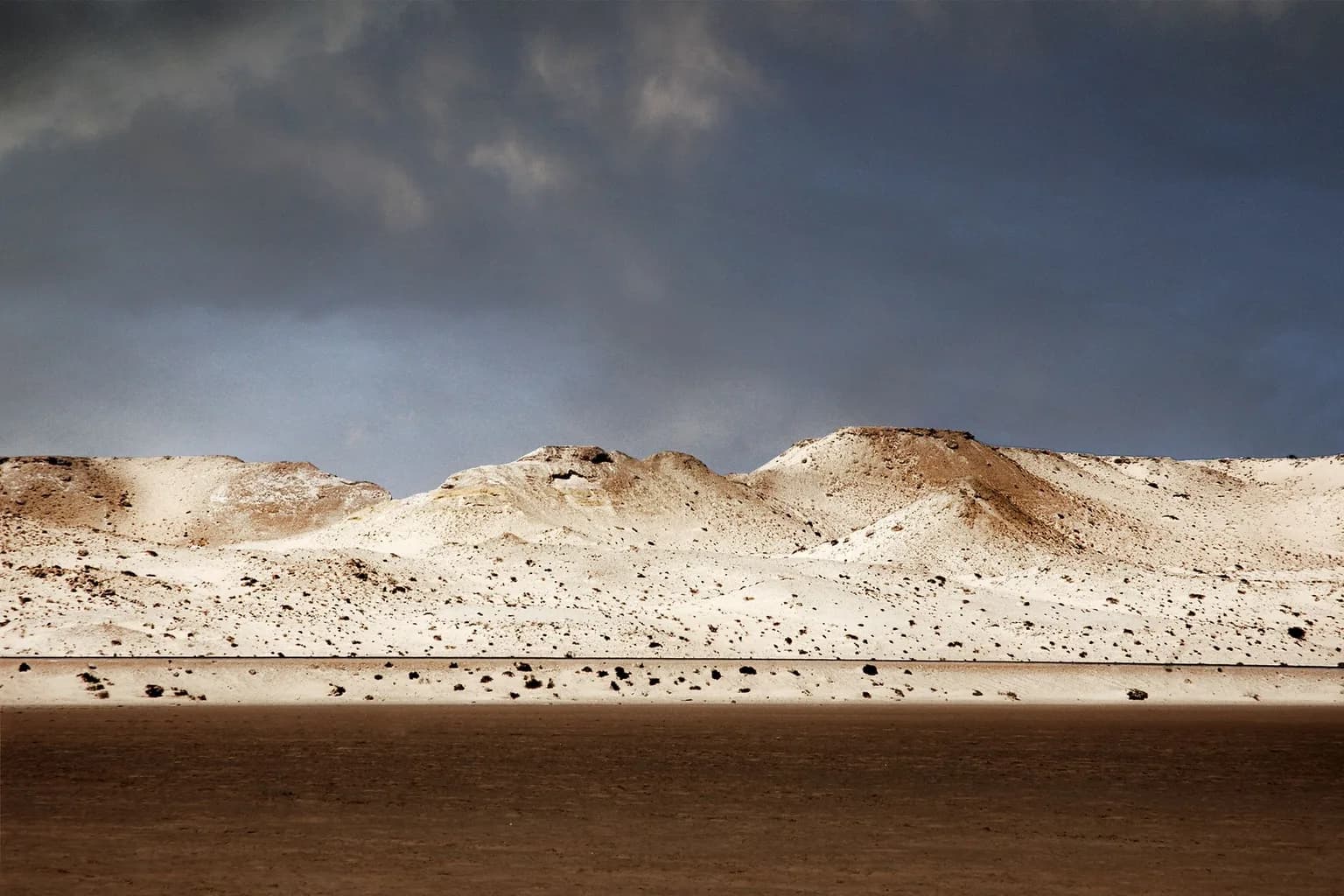
Western Sahara faces the possible loss of the UN peacekeeping mission that has monitored the ceasefire between Morocco and the Polisario Front, after its mandate was left due to expire on October 31 without a replacement resolution.
Russia said it blocked the US plan because it would prejudge sovereignty in the disputed territory, while the United States said the Russian veto preserved a referendum provision that the UN has not been preparing to hold for decades.
The dispute reaches back half a century. Western Sahara, a former Spanish colony in northwest Africa, is claimed by Morocco, while the Algeria-backed Polisario Front seeks an independent state called the Sahrawi Arab Democratic Republic.
The UN created MINURSO in 1991 after a ceasefire between Morocco and Polisario. Its task was to oversee a settlement plan and prepare a referendum on the territory’s future. That vote has never been held, and low-level fighting has continued since Polisario said it was resuming armed struggle in 2020.
On Friday, the Security Council considered rival approaches to the mission’s future. The US tabled a proposal for a one-year extension that would have made Morocco’s autonomy plan the sole basis for negotiations, cut the mission’s military component and rename it MINUSO. The change would have removed the “R”, referring to a referendum on self-determination.
Russia submitted its own draft only hours before the vote. It proposed extending the existing mandate for another year without substantive changes.
The US proposal received 11 votes in favour and three abstentions in the 15-member Council. Russia vetoed it, the first time Moscow has blocked a resolution on this conflict. Russia’s permanent representative to the UN, Vassily Nebenzia, said: “We stress the fact that the Security Council cannot automatically pre-determine matters relating to sovereignty.”
“The Security Council must not give a blessing to such a one-sided approach. Therefore we were compelled to block the adoption of the draft,” Nebenzia told the Council.
The US representative to the United Nations, Michael Waltz, said: “Unfortunately, some members of this Council have used their veto to preserve the letter 'R' for referendum in the mission's name, even though the United Nations has not been preparing to hold such a vote for decades.”
The United States also vetoed Russia’s counter-proposal. It won three votes in favour, with one against and 11 abstentions, far below the nine votes needed for adoption.
Neither draft was adopted, and the deadlock came one day before the mandate’s expiry. Sidi Omar, the Polisario Front’s representative to the UN, welcomed Russia’s veto on Friday, saying the US proposal would undermine Sahrawi self-determination.
Morocco’s royal palace took the opposite view. It said the failure to renew the mission “should mark the end of the Security Council's involvement and the removal of this issue from its agenda.” The palace also called for the UN to withdraw its personnel and equipment from the territory.
France expressed deep regret at Russia’s veto and warned of consequences for MINURSO, saying tensions were flaring again in the region. Whether the mission will be extended after October 31, or allowed to lapse, remains unknown.
Comments (0)