
Kseniia Arkhipova, a volunteer who once lived in Oleshky, has urged residents to leave the Russian-occupied city, warning that Russian military personnel were moving into empty homes and that further destruction could follow once civilians had gone. She remains in contact with people in the city, where she said large numbers of Russian troops were present.
Her warning came as a humanitarian ceasefire opened an evacuation route from Oleshky, on the Russian-occupied side of the Dnipro River in Ukraine’s Kherson region. Ukrainian military positions are 5km away.
The truce took effect on the morning of 27 October and was due to remain in force until late in the evening on 1 November. It was described as the longest and most widespread ceasefire since Russia’s invasion of Ukraine began in 2022.
Melania Trump, the US First Lady, brokered the ceasefire, according to the brief. She said that ‘all elements of the convoy, including the safe passageway in and out of Oleshky, was established through mutual agreement between Russian and Ukrainian leaders’.
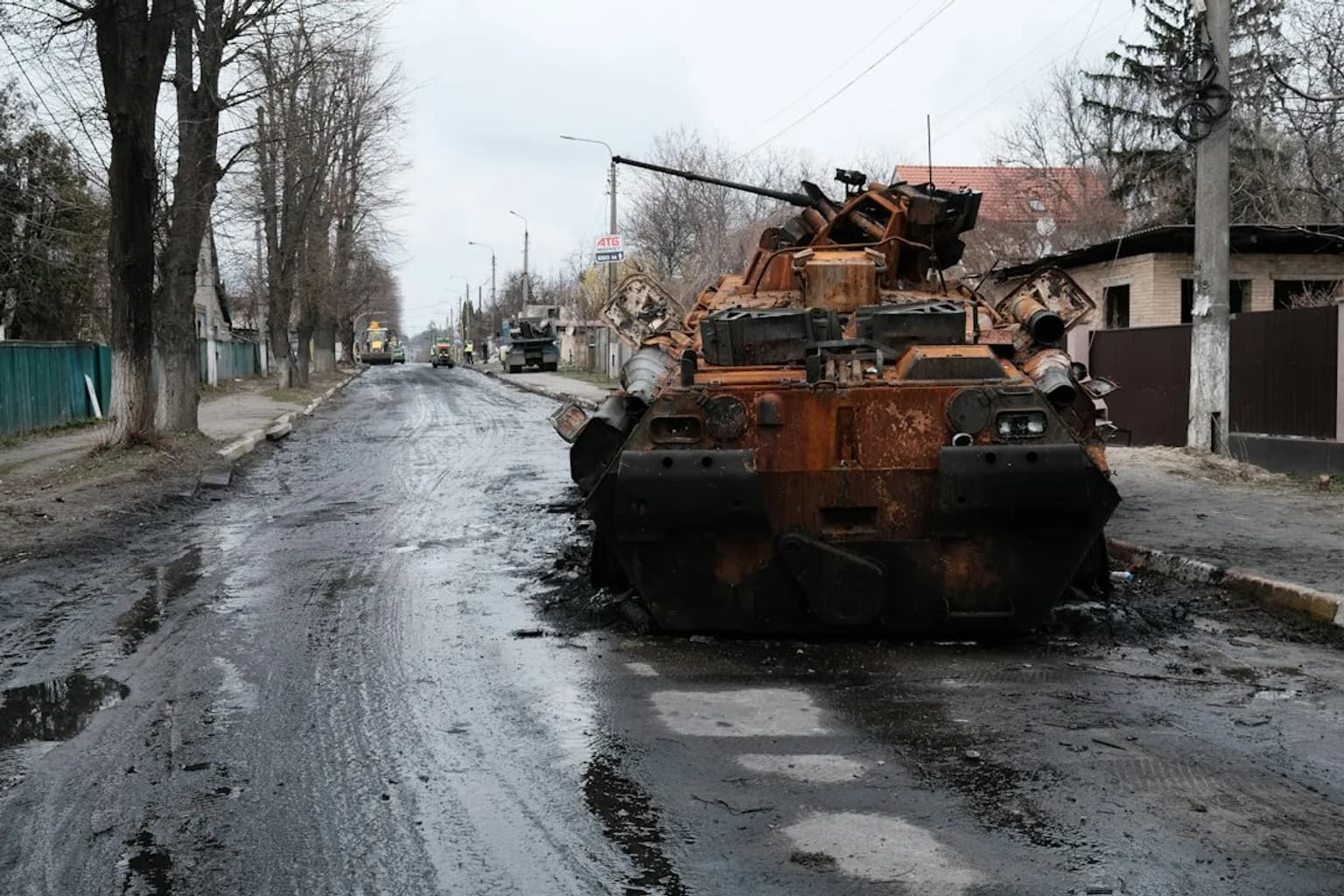
Russian troops seized Oleshky in the first days of the full-scale invasion in February 2022. The city was later badly flooded and extensively damaged after the Kakhovka dam was destroyed in June 2023.
Its access routes had been mined. Mine-clearing began around 8 a.m. after the ceasefire started, allowing an official evacuation operation to proceed for the first time in four years and eight months of war.
On Friday, 30 October, 25 buses and ambulances arrived for a four-hour evacuation window that lasted until 14:00 (12:00 GMT). The convoy could carry up to 750 people, including people with limited mobility.
Serhii Koretskyi, Ukraine’s prime minister, said 527 residents wanted to relocate to Ukraine. That was the only official figure given for those heading to Ukrainian territory.
Yana Lantratova, Russia’s human rights ombudsman, said on Telegram that people boarding the buses could choose to travel either to Russian territory or to Ukrainian territory.
Those leaving would first travel through Russian-occupied territory and then to Anapa, a city in southern Russia.
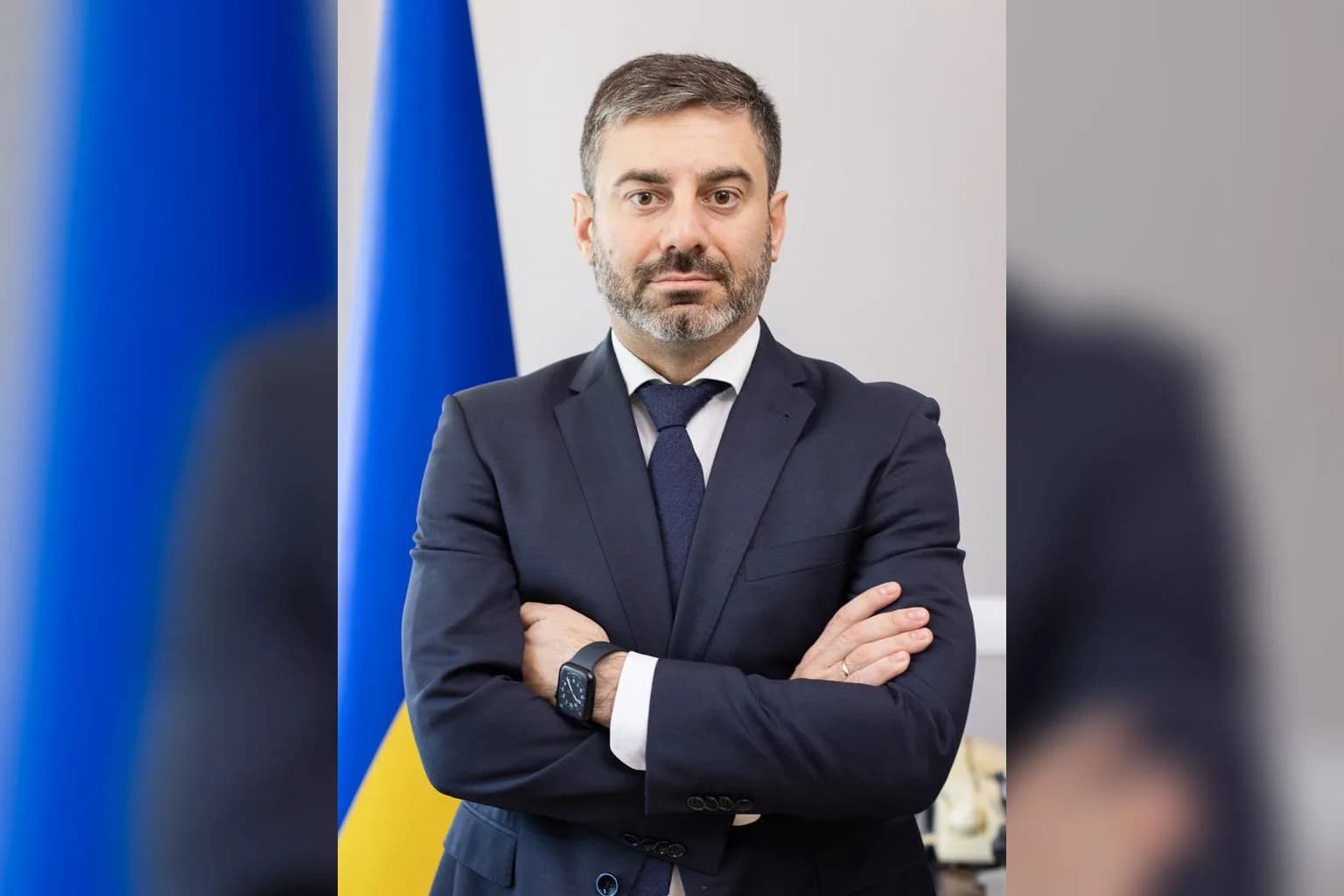
Dmytro Lubinets, Ukraine’s ombudsperson, became the first Ukrainian official to visit Russian-occupied parts of Ukraine since the war began. He posted a video from Oleshky during the 80-hour ceasefire confirming that he was in the city.
For many residents, departure meant leaving a city whose population has fallen to about 2,000, according to authorities and volunteers. About 50 children were among those remaining, amid warnings of starvation after months of serious food and medical shortages.
Several hundred people chose to stay despite widespread devastation and the absence of gas, electricity and running water.
One resident told the BBC that she had decided against leaving because ‘they wouldn't take my animals, so that's it.’
Arkhipova said Russian personnel were checking vacant homes and in some cases moving into them. ‘They are currently checking empty houses and, in some cases, moving into them. They are also pressuring local residents to evacuate to Russia, rather than to Ukraine,’ she told the Associated Press.
The Save Ukraine Foundation has rescued at least 300 civilians from Oleshky over the past six months.
Comments (0)