
Japanese filmmakers’ ability to pursue larger budgets, and overseas investors’ ability to take part in Japanese content, could depend on whether the industry can move beyond a financing structure that limits both.
Japan’s production committee system puts a group of companies together to finance a film and share its rights. The model can limit a budget to funds available within the industry, complicate overseas participation and slow decisions because each rights holder must agree.
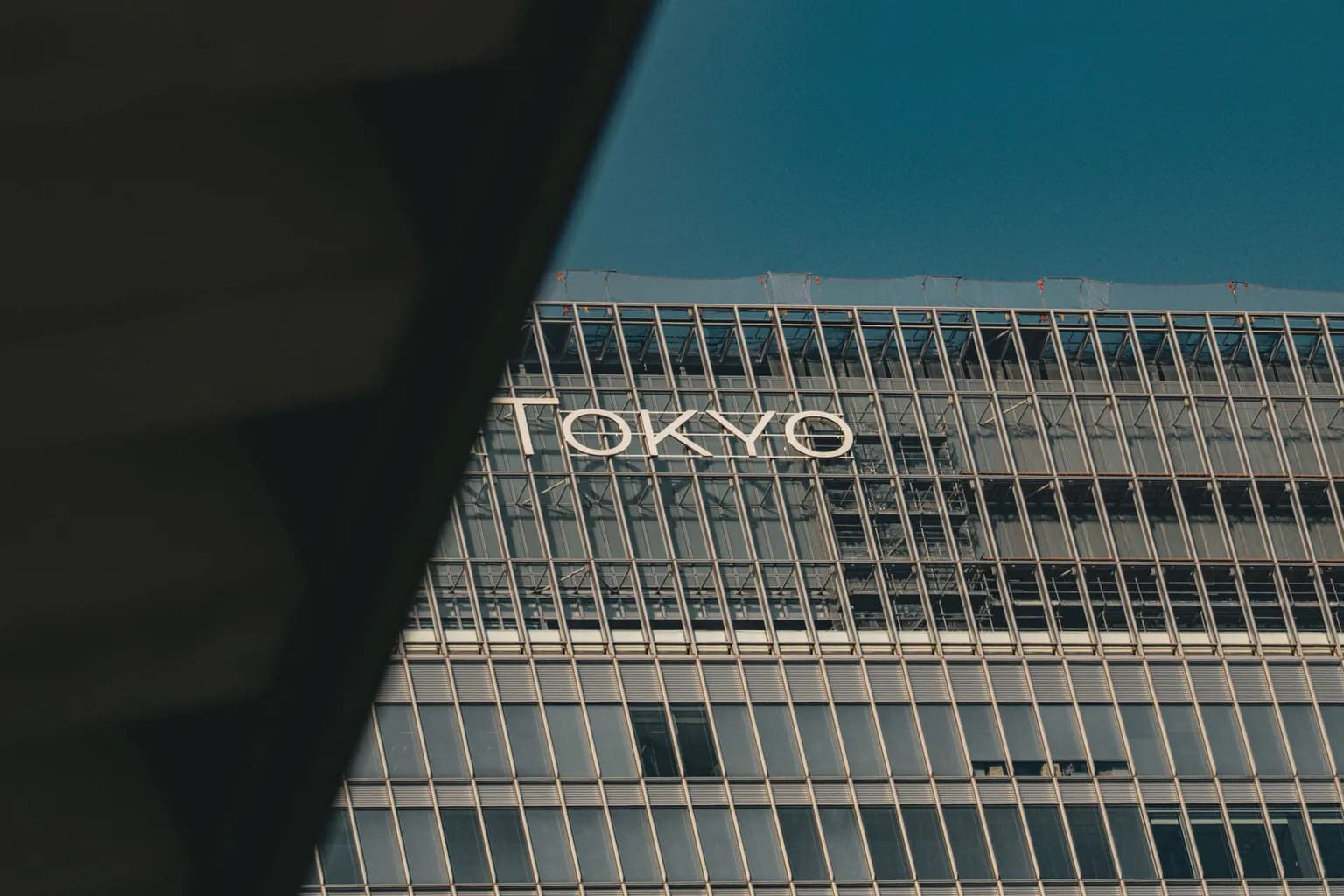
That was the subject of a panel, titled ‘Film Funds in Japan: What Works, What Doesn't, and What Comes Next’, at TIFFCOM, the content market of the Tokyo International Film Festival. TIFFCOM runs October 28 to 30 at the Tokyo Metropolitan Industrial Trade Center Hamamatsucho-kan, where executives and financiers gathered to discuss alternative ways of funding films.
The discussion brought together Kii Muneyuki, the chief executive and producer of K2 Pictures, Ibe Tomonobu, chief executive of the Tokyo startup Questry, and Nakagawa Keita, a managing director at MUFG Bank. Kii works with filmmakers including Kore-eda Hirokazu, Miike Takashi and Nishikawa Miwa.
Kii created K2P Film Fund I, which closed in February at about JPY5 billion ($32 million). It is a blind-pool fund, in which investors commit money before the films are selected, and it aims to back around 50 films over seven years. MUFG, the Development Bank of Japan and other financial institutions and companies are among its investors.
Five films supported by the fund had reached cinemas in 2026. Traditional production committees still account for over 90% of anime financing in Japan.
Ibe, who has more than a decade of experience at Goldman Sachs, has established a special purpose vehicle to enable investment by overseas and local stakeholders in anime and other Japanese content. His view of the central question was concise: “How you raise money decides how you share it.”
The panel set out four priorities for a new financing model: regulation, capital, creators and cross-border business. Korea often has a clearer division of responsibilities between investors, distributors and producers.
MUFG was selected on March 31 to carry out a Japan-specific feasibility study commissioned by the Ministry of Economy, Trade and Industry. The study runs through February 2027 and will use real-world data to develop valuation and completion-guarantee models, while testing the route from application and review through to contract drafting.
The difficulties of finding cross-border backing were also on display at the Busan International Film Festival’s Asian Contents & Film Market. Matsumoto Noriko, co-founder and head producer of Dwarf Studios, said negotiations with a U.S. company that was to provide full financial backing had reached a stalemate after its representatives experienced layoffs. “Even if I give up co-production, I don't give up finding collaborators,” she said.
Yamaguchi Shin, founder of Knockonwood, also joined the Busan panel on co-producing with Japan. His project ‘Love on Trial’ secured 60% of its budget from a production committee led by Toho, with international sources supplying the remainder.
The financing debate sits within a wider government effort to expand Japan’s content business overseas. Prime Minister Sanae Takaichi has pledged, through the IP360 initiative, to lift exports of Japanese content to $127 billion by 2033. Cabinet minister Ryosei Akazawa said METI had requested JPY250 billion ($1.6 billion) in the fiscal year 2027 budget for investment in the content industry.


Comments (0)