
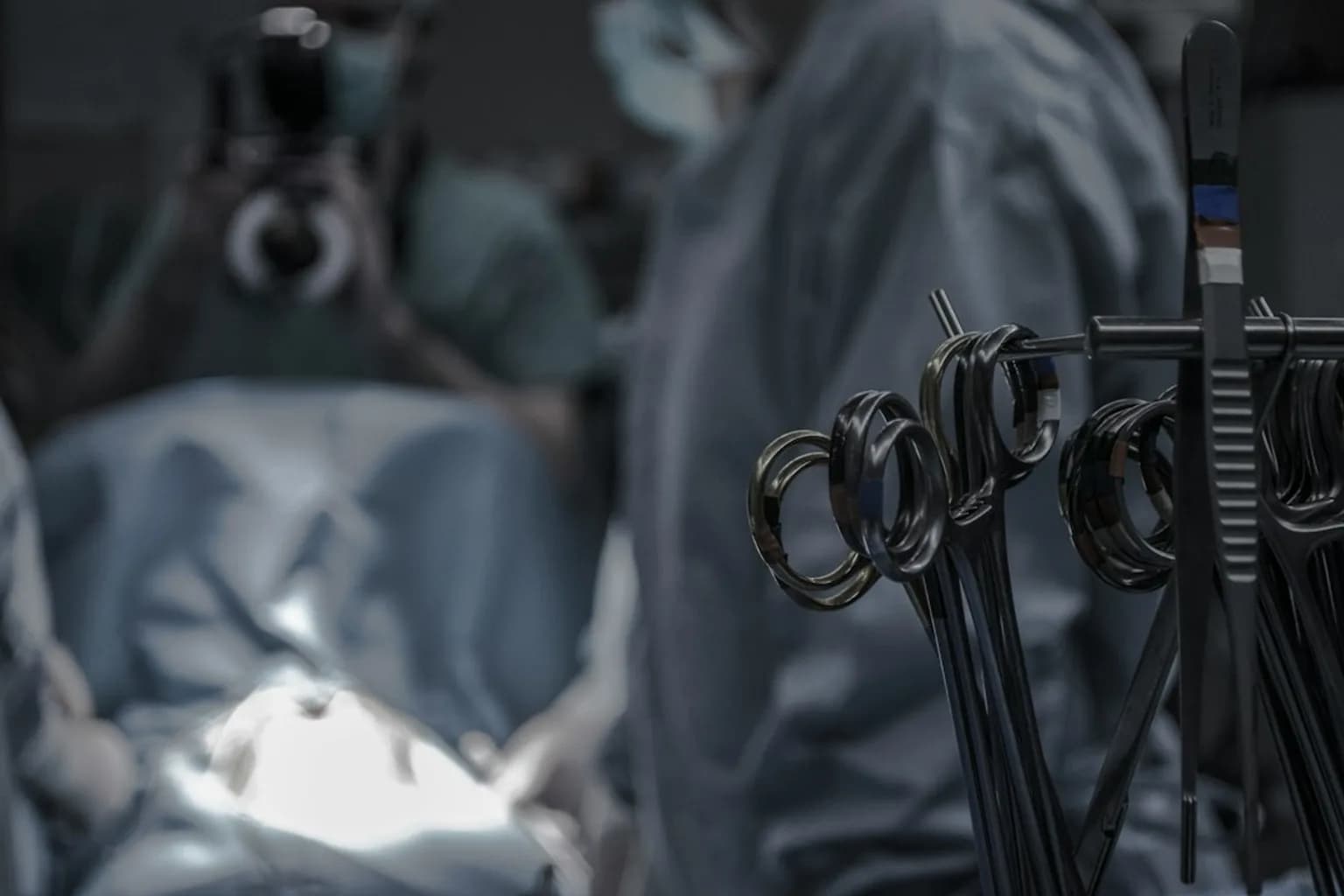
Mark, a 66-year-old man with a cancerous prostate, was in an operating room in Minneola while Dr. Vipul Patel controlled a surgical robot from suburban Orlando, 35 miles away.
Patel, the founder and medical director of the Global Robotics Institute at AdventHealth, remotely operated the robot to remove Mark’s cancerous prostate in a prostatectomy. A fellow surgeon remained in the operating room to monitor Mark as the robotic operation went ahead.
AdventHealth said the procedure was the first telerobotic surgery of its kind attempted fully in the US. The operation was completed successfully, and Mark is still doing well, according to AdventHealth.
The case followed 10 investigational telesurgeries between Orlando, Florida and Luanda, Angola, which tested the concept of operating across a distance. The Food and Drug Administration granted an exemption allowing the fully US-based telerobotic prostatectomy to proceed.
The exemption reflects the procedure’s experimental status. AdventHealth said a successful operation does not mean the FDA has deemed the procedure safe.
The operation also carries the risks associated with a normal prostatectomy. Cybersecurity risks and the possibility of connectivity failure are still being evaluated.
“For generations, access to highly specialized care has often depended on where a patient lives,” Patel said.



Comments (0)