
At the M'Poko Bac pier, Foxy Yeti Nzapa ferries passengers across the border by canoe. The 25-year-old father-of-two now sees them disembark one at a time, wash their hands under a health worker’s supervision and have their temperature taken.
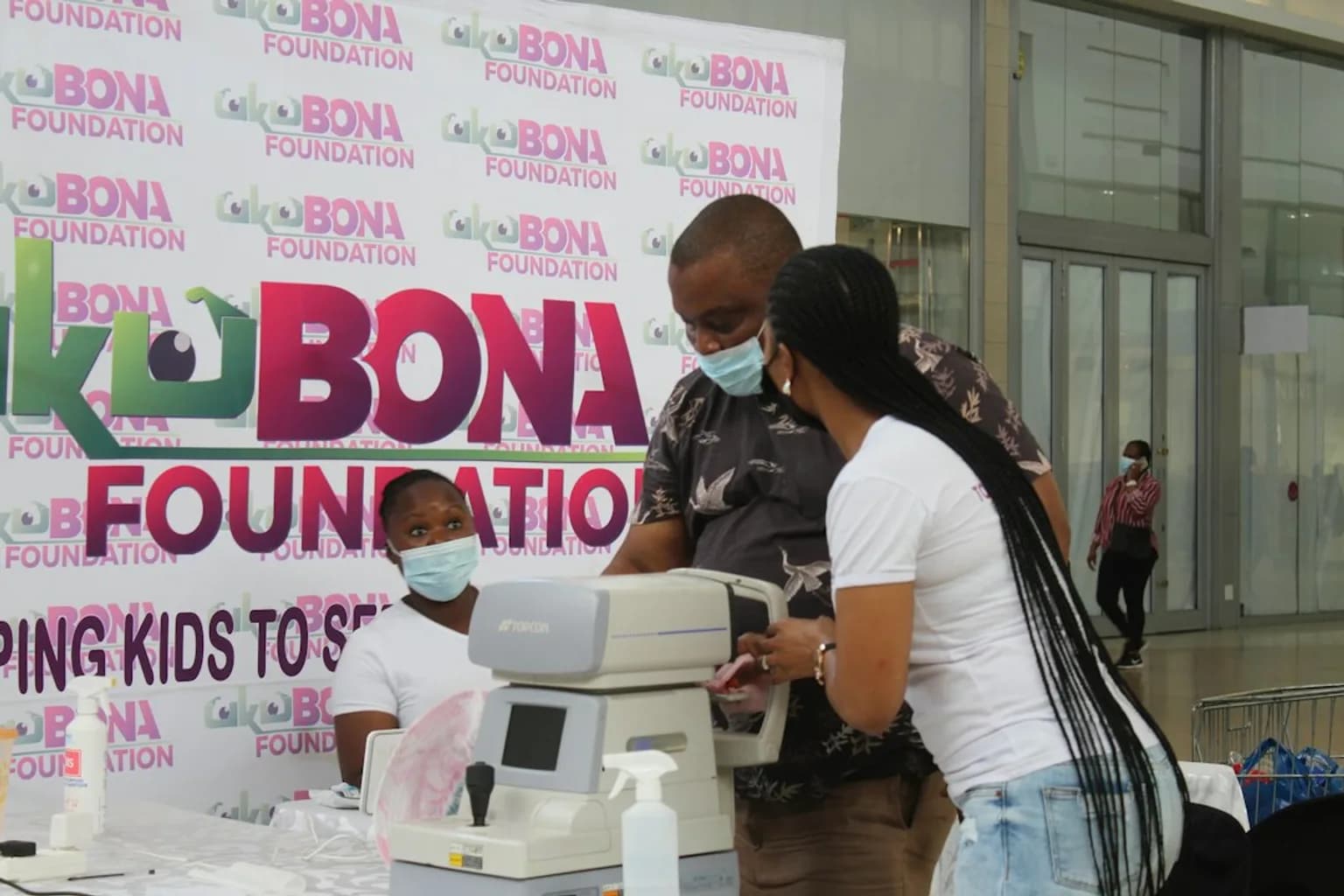
The checks take place in Bimbo district, southwest of the capital, where health worker Maldiana Bagalama is assigned to screen travellers. Neige, a mother-of-three, works by the river as a fishmonger.
The Central African Republic has introduced daily checks for people crossing its frontier with the Democratic Republic of Congo, where the country is facing the deadliest Ebola epidemic in its history. The outbreak has recorded 10,000 cases, with the vast majority in the DRC, and has killed almost 5,000 people.
The virus is present in three Congolese regions bordering the Central African Republic, and officials in Bangui fear it will cross the Oubangui River that divides the two countries. Their concern centres on a porous, largely unmonitored frontier stretching for more than 1,500 kilometres (930 miles).
Community health workers systematically screen every passenger arriving and departing. They take temperatures and use a standardised form to question travellers. The entry points are also staffed by the Water and Forests Department, Customs, Civil Protection and Internal Security Forces.
Authorities have also begun awareness campaigns involving neighbourhood chiefs, community leaders and religious figures. Dr Valentin Nebanga, a departmental head at the Ministry of Health, oversees the health response effort.
Ebola spreads through contact with bodily fluids and causes a severe haemorrhagic fever. Several cases have been reported in Kenya, while one case has been detected as far west as Nigeria.
Comments (0)