
Heat was linked to a record estimated 710,000 deaths worldwide in 2023, according to the Lancet Countdown on Health and Climate Change, a UN-partnered report.
For the first time, more than seven in 10 of the fatalities were attributable to human-caused climate change, rather than natural climate variability.
The annual report tracks the relationship between climate change and global health through 54 indicators. It was produced in association with the World Health Organization (WHO), by researchers and institutions worldwide, and led by University College London.
Its findings point to a worsening health burden from heat. Heat-related deaths rose by nearly 36 per cent in the years following the 2015 Paris Agreement on climate change, compared with the previous decade.
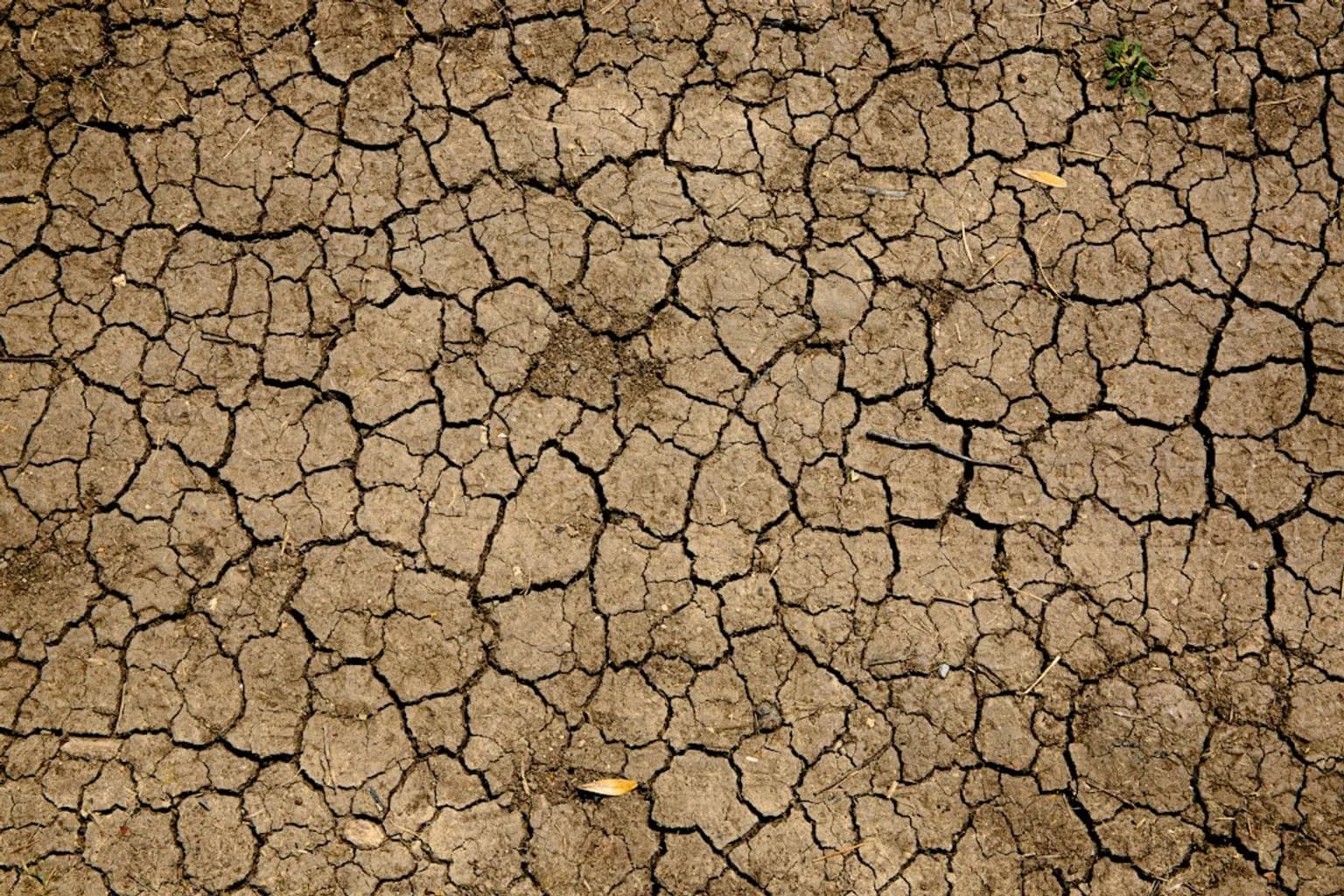
Drought is also reaching further. The global area affected by extreme drought has grown more than 700 per cent faster than it did in 2006–2015, while droughts affected 51.8 per cent of land on earth for at least one month in 2025.
Changing conditions have expanded the potential range for dengue transmission. Conditions suitable for transmission by Aedes albopictus mosquitoes increased by 24 per cent between 1981-90 and 2016-25, while suitability for Aedes aegypti mosquitoes rose by seven per cent over the same period.
The report also sets out the gap between planned fossil fuel production and the temperature goal of 1.5°C above pre-Industrial Revolution averages. The world’s 100 largest oil and gas companies plan to produce 150 per cent more fossil fuels by 2040 than is compatible with that limit, up from 138 per cent a year earlier.
There were signs of investment and planning in response. Global investment in clean energy reached a record $2.1 trillion last year.
Around one in four countries now have a national plan to adapt health services to climate change, compared with 14 WHO Member States in 2015. A further 47 countries have completed vulnerability assessments to support climate adaptation plans.
The ocean remains central to the climate system described in the report. It absorbs around 30 per cent of human-caused carbon dioxide emissions and 90 per cent of the excess heat trapped by greenhouse gases, yet climate change has already reduced its capacity to absorb carbon by approximately six per cent.





Comments (0)