
Passengers travelling across Europe faced diversions, evacuations and emergency procedures this week as hoax bomb threats disrupted at least 32 flights.
There was no intelligence pointing to any particular group or state actor, including Russia or Iran, authorities said. Some emails were signed “the fighters of the Male State”, local reports in Bulgaria and Italy said, though that signature has yet to establish who was behind the threats.
On Monday, a Wizz Air flight from London Luton to Sofia received a bomb threat while airborne and made an emergency landing in Budapest under escort from Hungarian Gripen fighter jets.
The disruption widened on Tuesday, when at least seven flights received threats across Europe. The aircraft were departing from or arriving at London Heathrow, Manchester, Dublin, Copenhagen, Milan, Lisbon and other cities. London’s Metropolitan Police received warnings concerning four aircraft due to depart from or arrive at Heathrow, as well as a threat involving a flight at Manchester Airport.
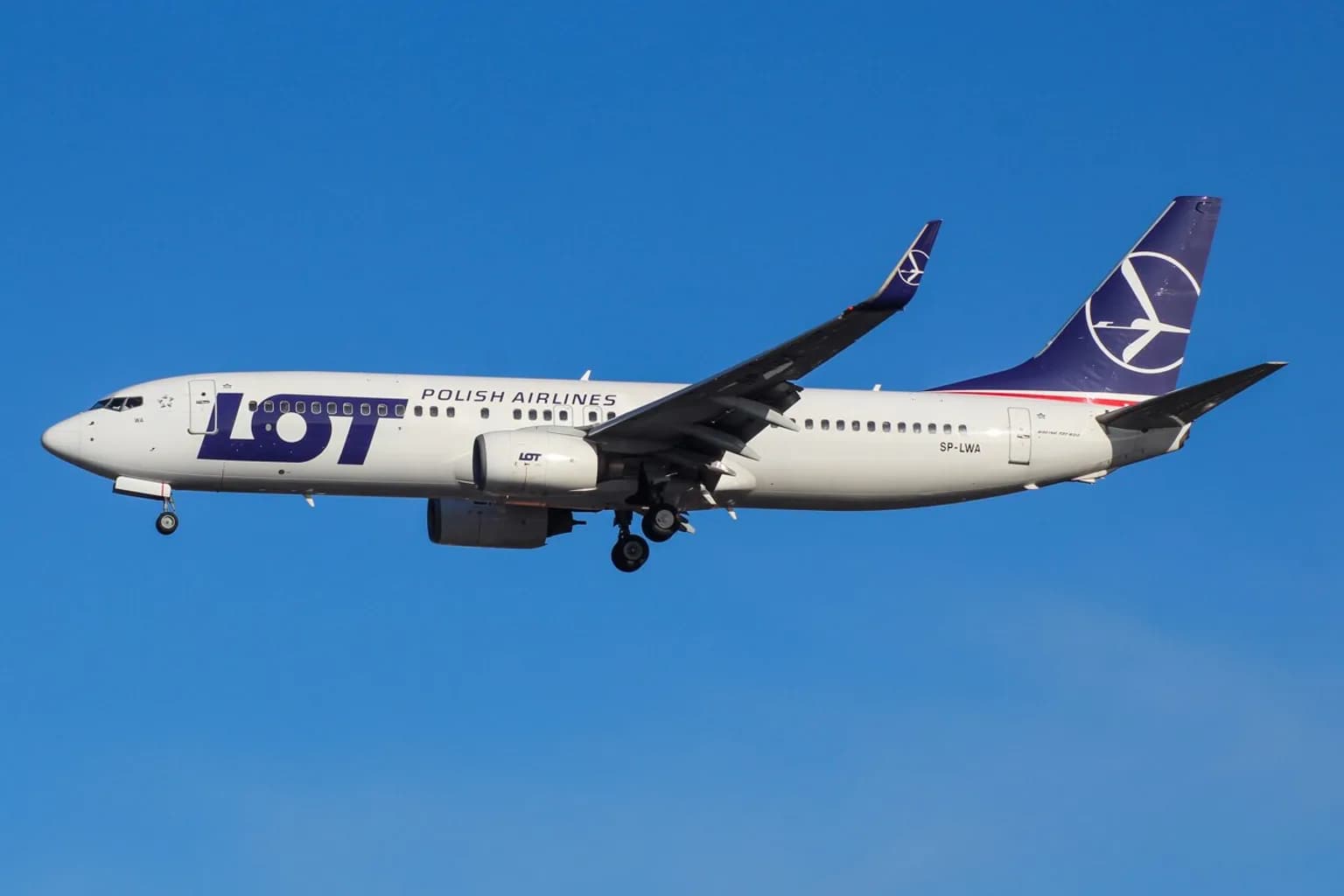
A LOT Polish Airlines Boeing 737 Max flying from Heathrow was diverted to Warsaw Modlin, about 25 miles from its intended destination, and the airport briefly closed. Scandinavian Airlines Flight SK751, travelling from Copenhagen, received a threat but landed as scheduled at Warsaw Chopin Airport on Tuesday morning.
Ryanair was the airline most affected, with four flights to different destinations targeted. At Rome’s Fiumicino Airport, a Ryanair flight from Lisbon landed at 9:40am and was searched after an anonymous bomb tip. Two Italian Air Force Eurofighter jets then escorted Ryanair Flight FR9611 from Dublin into Fiumicino, where it landed at 10:45am local time following another anonymous report.
In Murcia, a Ryanair flight from Manchester was met by emergency vehicles after a bomb alert triggered emergency protocol at the Spanish airport. Sarah, a passenger, said the aircraft stopped suddenly after landing and its passengers remained on the runway for around 30 minutes.
The alerts also reached the sea. The Crown Iris, an Israel-bound cruise ship carrying about 1,500 passengers and crew, was evacuated off the island of Syros after a bomb threat.
An email sent to Sofia airport was signed “the fighters of the Male State” and said: “The explosion will occur in 60 minutes. Today, your skies will turn red.” Male State is a Russian far-right, ultranationalist and misogynistic movement founded in 2016 by Vladislav Pozdnyakov. A regional court in Nizhny Novgorod designated it an extremist organisation and banned its activities in Russia in October 2021.
On Thursday, at least 27 flights received bomb threats across Europe. Aer Lingus, Finnair, Wizz Air and LOT said aircraft were affected, leading to further diversions and emergency procedures. Searches found no explosives on any aircraft or on the Crown Iris, and all planes landed safely, authorities said.
Rhys Jones, analysis output manager at aviation risk advisory firm Osprey Flight Solutions, said seven confirmed threats affecting flights in one day was exceptional. He told Reuters: “The lack of clear target state, airline or route indicates that general disruption to aviation operations is the aim.”
Paul Mason, an aviation expert, said bomb threats on passenger planes “don't happen that frequently” and added: “It sounds like they've been made in a credible manner across a broad range of airlines.” Former pilot Marco Chan said a bomb threat is treated as “genuine until it is resolved, even though most turn out to be hoaxes.”
Philip Baum, a visiting professor of aviation security at Coventry University, said: “Most are from individuals who think it is funny or want to delay a flight for some reason.” He added: “The reality is that terrorist organisations who might like to smuggle a bomb on to a flight don't tell people, they claim responsibility after the attacks.”
Some 27,400 flights were scheduled in Europe on the day the threats occurred, according to Eurocontrol. US Transport Secretary Sean Duffy described the incidents as “false attacks”, while the UK government called them “malicious hoax threats” and a Department for Transport source said they were “not credible.”



Comments (0)