The CERN Computer That Was Told Never to Power Down
Tim Berners-Lee built the Web to help scientists find one another’s information, then CERN made the system free for anyone to use.

The story of one invention, standard or device that changed everything.
Tim Berners-Lee built the Web to help scientists find one another’s information, then CERN made the system free for anyone to use.
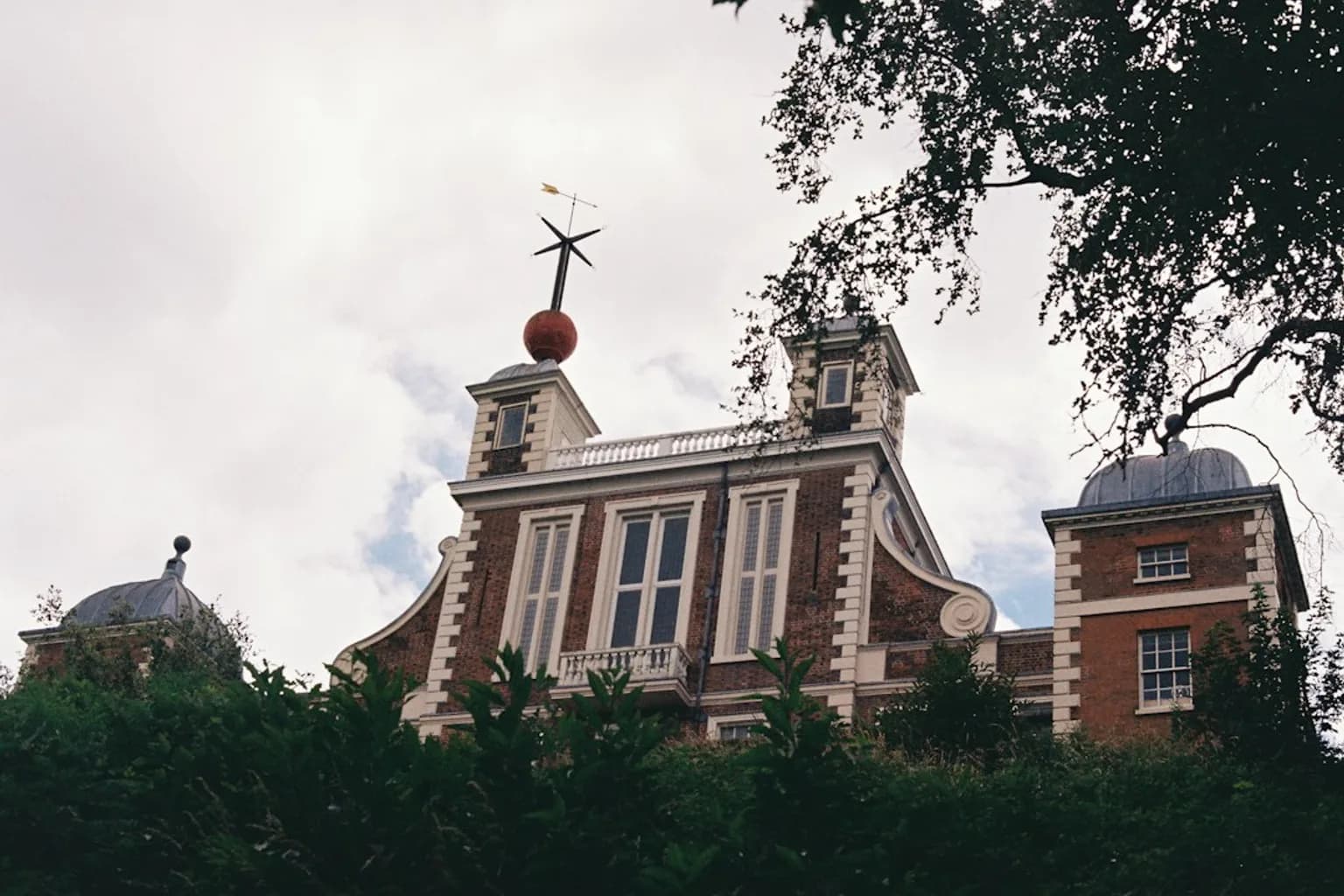
In Washington in 1884, delegates chose a single zero line for maps and clocks, turning a practical railway and shipping problem into a political bargain that still shapes daily life.
DNS began as a fix for an overwhelmed academic network directory, then became the distributed naming system that quietly turns every familiar web address into a destination computers can reach.
PageRank turned an old academic idea into a way of sorting a fast-growing web, then made the links between documents a powerful system for directing public attention.
John Snow’s 1854 cholera investigation shows how a contaminated well, a map of Soho, and a newly persuasive way of comparing lives helped make clean water a public-health technology.
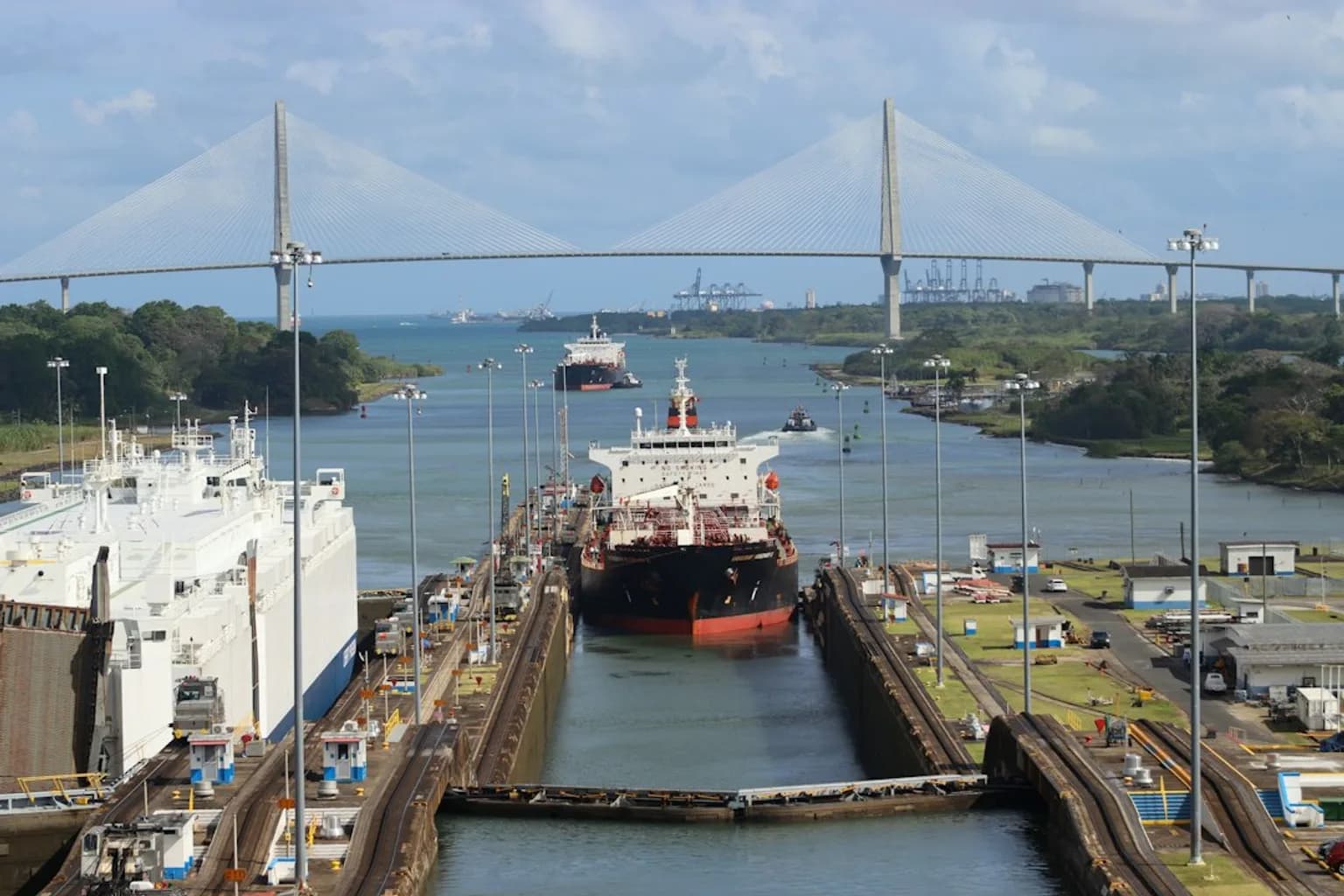
France showed how lethal a canal across Panama could become; the United States turned mosquito control, lock engineering, excavation power, and a far-reaching treaty into the system that still moves ships between two oceans.
A century of experiments turned a simple property of light into high-purity glass fibers, then into the undersea links and immense capacity that reshaped global communications.
In a remote stretch of Idaho desert, Experimental Breeder Reactor I turned nuclear heat into usable light and gave the atomic age its first civilian-scale promise.
Alec Jeffreys’s 1984 breakthrough turned tiny differences in human DNA into a tool that could clear a suspect, identify a killer, and reshape the meaning of forensic evidence.
From a French diplomat’s plan to cut through the desert to a confrontation that reshaped Western power in the Middle East, the Suez Canal’s history shows how control of one passage can carry consequences far beyond its banks.
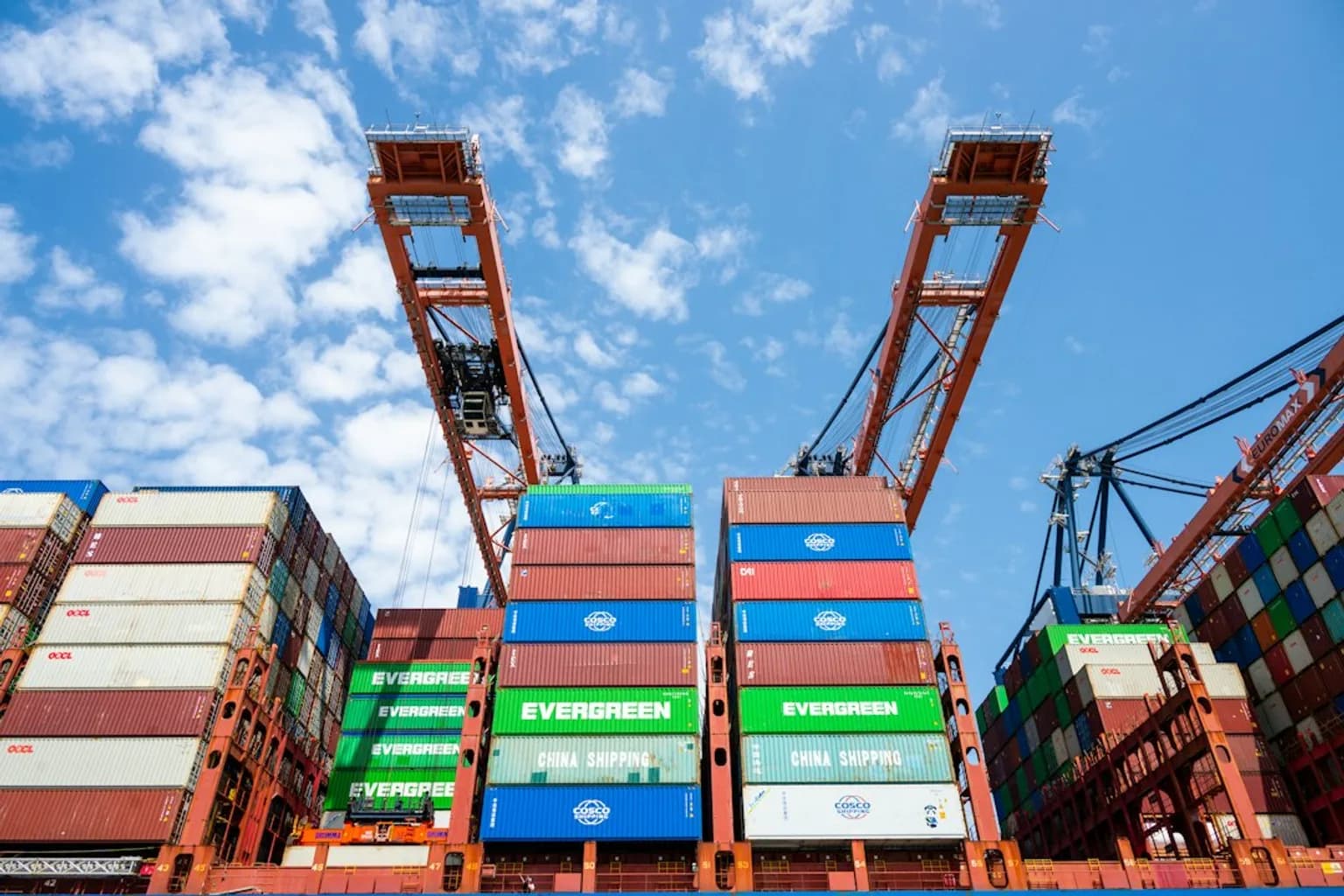
A standard steel container turned a slow, dangerous ritual of moving individual packages into the system that lets goods travel from distant factories to nearby shelves with startling ease.
Type at least two characters.