
In July, the Department of Homeland Security told California Secretary of State Shirley Weber that as many as 190,832 noncitizens might be registered to vote in the state. Weber received a revised Justice Department list three weeks before Election Day that named about 20,000 alleged noncitizens and came with a 48-hour deadline for officials to check their citizenship.
Dean Logan, Los Angeles County’s top election official, received the same list after the county had sent ballots to 5.9 million voters and processed 331,000 of them.
California officials refused the demand. They questioned the federal data and said state election officials could not stop processing ballots from registered voters on the basis of unverified federal allegations.
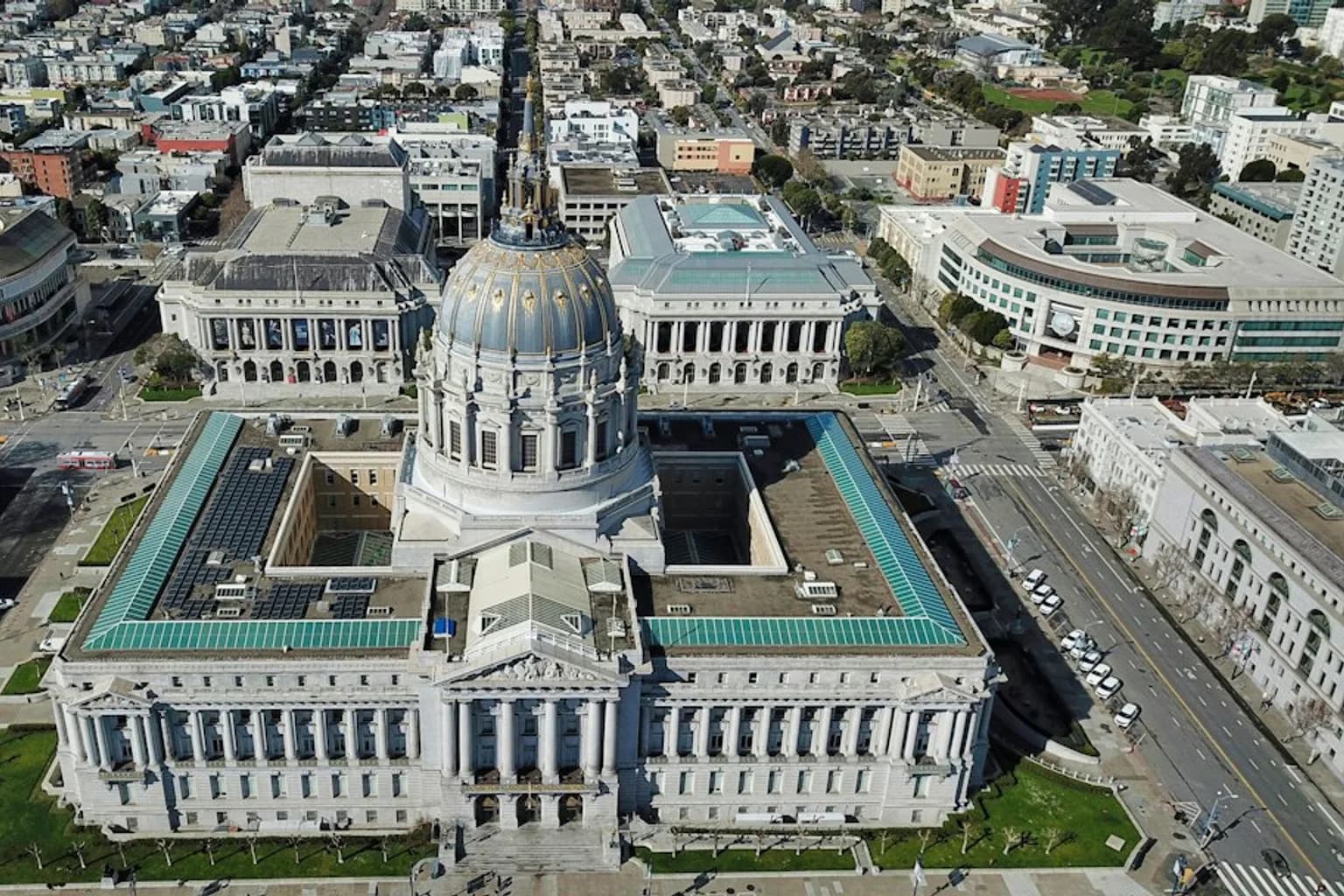
The dispute reached federal court on Friday, four days before the midterms. U.S. District Judge Trina Thompson in San Francisco issued an emergency temporary restraining order barring the Justice Department and Homeland Security from threatening election workers with criminal prosecution.
Her order also barred demands that states remove registered voters, withhold their ballots or stop counting votes solely because the administration claimed those voters were ineligible. Election workers who declined such demands, or processed ballots under election laws, could not be threatened with prosecution.
Thompson found that the two departments had probably violated the Voting Rights Act prohibition on voter intimidation and gone beyond their constitutional authority over elections. She ordered prosecutors to disclose pending search-warrant applications, grand-jury subpoenas and other demands connected to their lists of allegedly ineligible voters.
A separate ruling came from U.S. District Judge David O. Carter, a Bill Clinton appointee, who rejected the Justice Department’s request for a temporary restraining order in California. Carter ruled that the request would probably disenfranchise voters and cause chaos by disrupting the election.
Carter found the government’s claims about noncitizen voters were not credible. He said the government had supplied no error rates or validation against a reliable benchmark to show that its findings were accurate.
The Department of Homeland Security’s process involved buying a voter file, using reliable third-party data analytics to enhance it through Lexis Nexis, and comparing the results with USCIS records, Carter noted.
The administration’s estimates had changed sharply when state officials examined them. On July 17, DHS Secretary Markwayne Mullin said as many as 15,903 noncitizens were registered to vote in Nevada. The department sent Nevada election officials a list the next month containing 185 people, and every one was a US citizen.
Federal prosecutors also demanded that Washington state separate ballots from more than 400 voters. Washington Secretary of State Steve Hobbs said the federal list included US citizens and was unreliable.
In July, the Justice Department warned election officials in all 50 states that they could face criminal charges for knowingly allowing noncitizens to vote. Since May 2025, it has filed 31 lawsuits seeking sensitive voter records, and 27 have been dismissed so far.
The department applied for its California order on the same day that it charged 28 people in the state under 18 USC 611. The charges represented 0.0001 percent of California’s 23 million registered voters.
The Justice Department also pursued an emergency appeal. A three-judge 9th Circuit panel held a rare Sunday hearing and dismissed the appeal 2-1 on Monday, while two judges separately wrote that they would have denied the request on its merits.
On Friday, an appeals court rejected the department’s emergency request in California and warned of potentially catastrophic effects on the entire system.
Comments (0)