
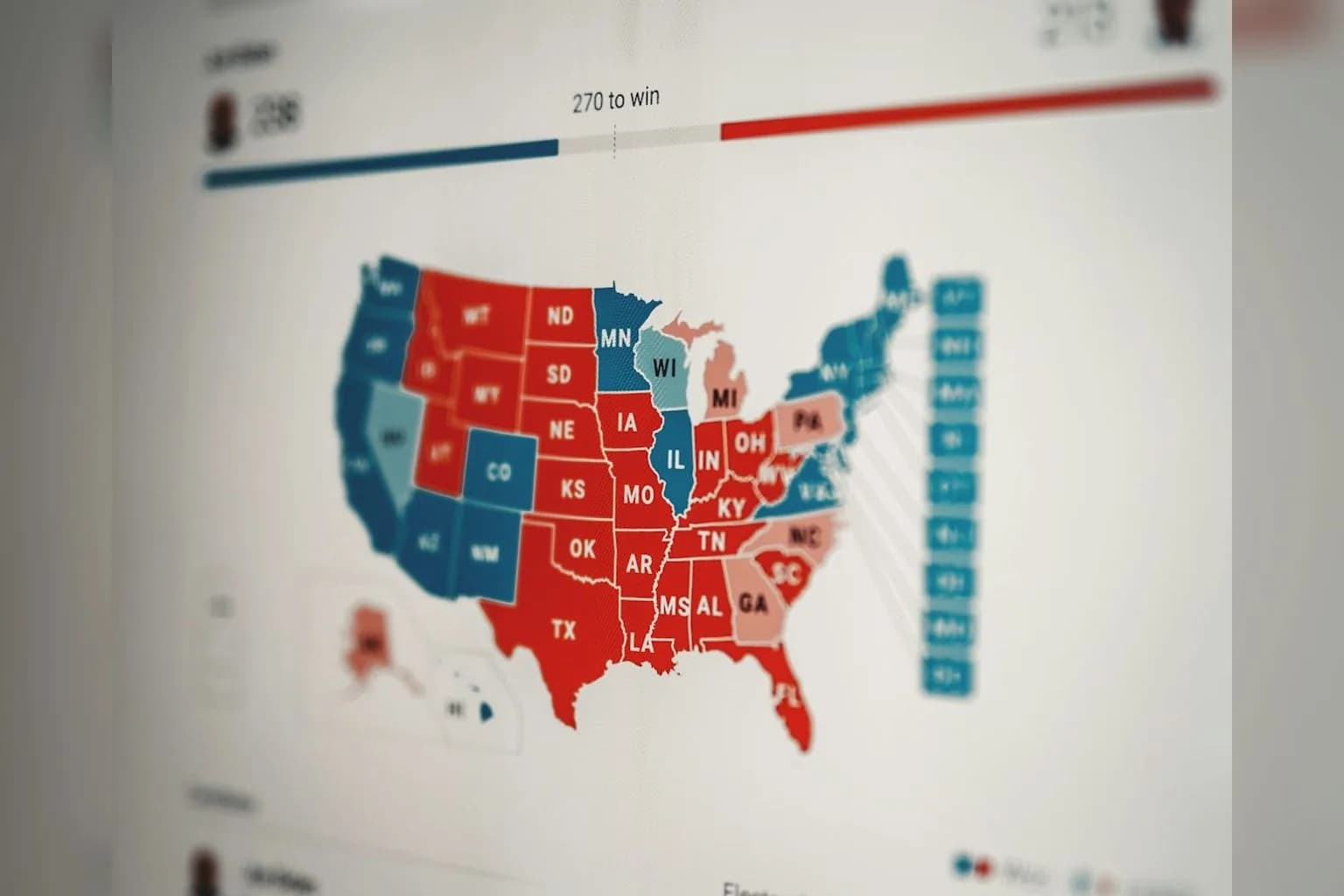
The votes now being counted will decide control of Congress and the course of Donald Trump’s remaining two years in office. The first polls closed on the East Coast late Tuesday in midterm elections that will determine the future of the president’s agenda.
Cost of living has been the voters’ chief concern. About two-thirds said Trump’s policies had worsened economic conditions and that his tariff policies had hurt the economy.
Polling stations in Indiana and Kentucky were the first to close at 6:00 pm (2300 GMT) on Tuesday, as Americans voted in the midterms. Democrats are projected to win the three seats required to regain the House of Representatives, while their path to the Senate is less certain.
The contest follows a period of unusually heavy early voting. More than 51 million Americans had already voted. Five days before Election Day, more than 43 million had cast early ballots, nearly 10 million more than at the same point before the 2022 midterms.
For Emma Mondadori, a 39-year-old philanthropy worker in New York, the vote offered a chance to influence the country’s direction. “Two years ago was a really devastating outcome for me... I've been really looking forward to this day where we get to have a say again in the future of our country... I'm cautiously hopeful, optimistic,” she told AFP.
Five days before the election, RealClearPolling’s national average put Democrats on 51.4 percent and Republicans on 43.2 percent, an advantage of 8.2 percentage points. All 435 House seats are contested, alongside 35 of the Senate’s 100 seats. Democrats need a net gain of three House seats and four Senate seats to take both chambers.
Republicans presently hold 53 Senate seats, while Democrats hold 47, including two independents who caucus with them. Of the 65 Senate seats outside this year’s contests, Democrats hold 34 and Republicans hold 31.
The Senate arithmetic turns on individual races in Michigan, Texas, Kansas, Iowa, North Carolina and Alaska. An Economist/YouGov survey released on Thursday found that 44 percent of registered voters expected Democrats to control the House after the election, while 39 percent expected a Democratic Senate majority.
In Texas, the Democratic candidate James Talarico led Republican Ken Paxton by 48.5 percent to 46.7 percent in the poll aggregator’s figures. Vice President JD Vance was scheduled to hold a rally with Paxton in Weatherford, Texas, after campaigning in Texas, Ohio, Georgia and North Carolina.
In Michigan, a Mitchell Research poll conducted for CBS Detroit put Abdul El-Sayed ahead of Rogers by 51 percent to 44 percent. El-Sayed held events in Michigan as Election Day approached.
In Kansas, a Washington Post-Schar School poll released on Friday suggested that Democrat Adam Hamilton was ahead of Republican Senator Roger Marshall by 52 percent to 43 percent. An Emerson College survey put Hamilton ahead by 50 percent to 47 percent.
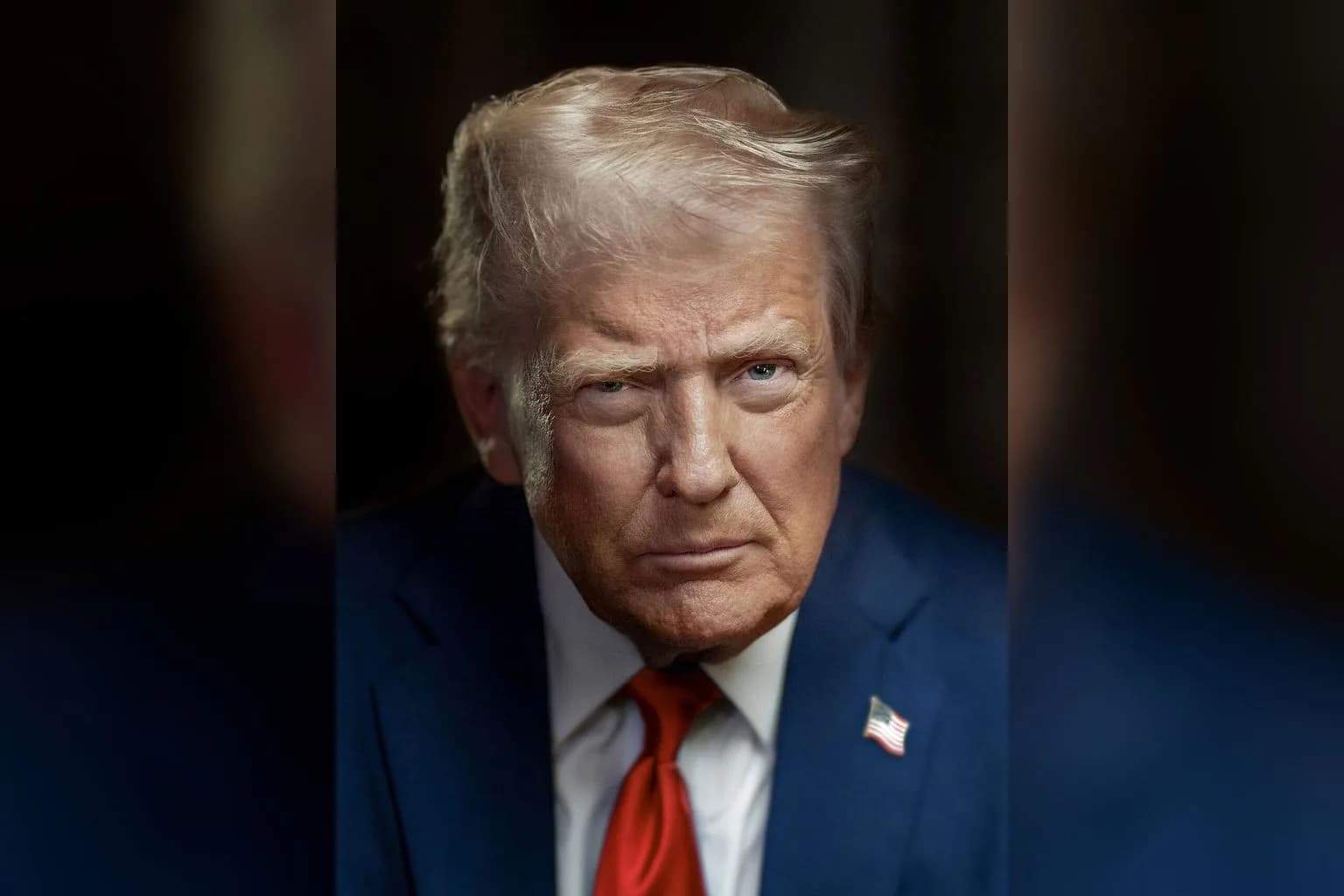
Trump campaigned in Iowa, Kansas, South Carolina and Florida during the closing stretch. He made his final pitch on Monday in front of the Reflecting Pool in Washington DC, after holding a rally in Kansas on Sunday. Trump, former President Barack Obama and Vance also campaigned on Wednesday in Ohio, Georgia and North Carolina, as party leaders made their final efforts to win over voters.
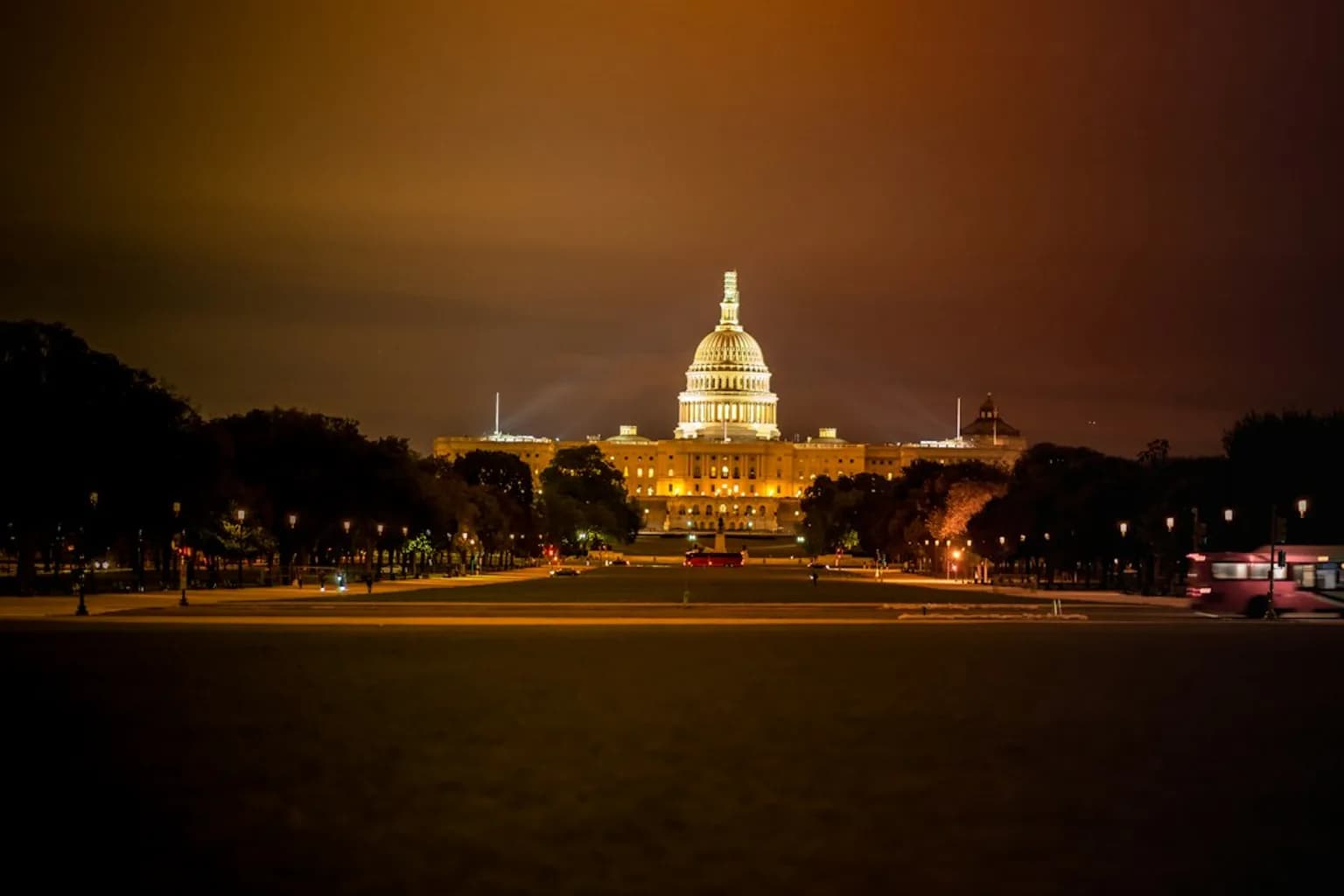
The national polling lead gives Democrats an opening in the House. The Senate contests now carry the larger uncertainty, and their outcome will decide whether Republicans retain that chamber during the remainder of Trump’s presidency.
Comments (0)