
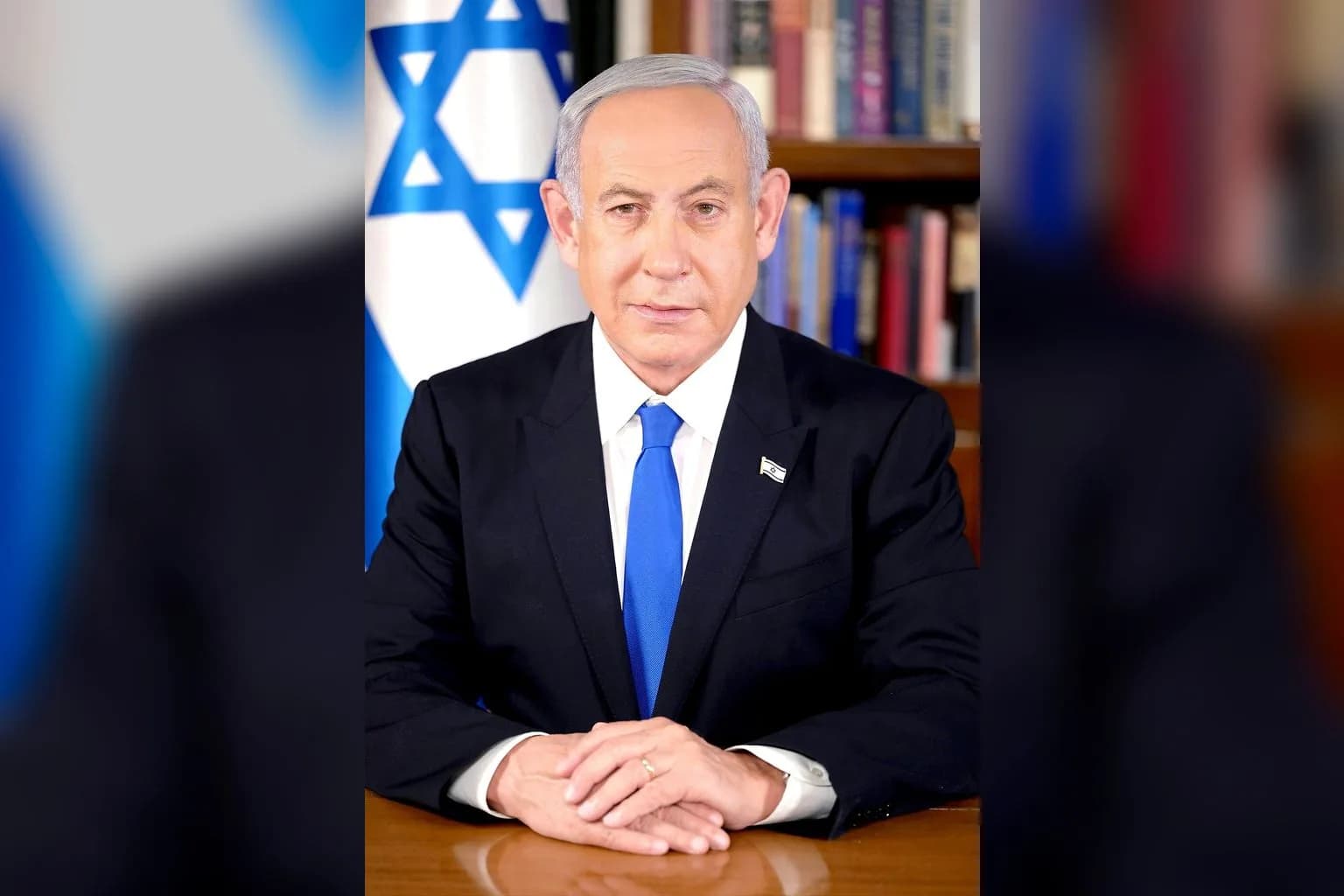
The battle to form Israel’s next government now carries consequences for the country’s ties with Washington, where the United States has provided billions of dollars a year in military aid to Israel since the 1970s.
Israeli opposition figures said the Democrats’ victories in the US midterms reflected an all-time low in relations between Netanyahu’s government and the Democratic Party, and argued that he had weakened the bipartisan backing Israel has relied on.
Netanyahu’s right-wing coalition lost its parliamentary majority in Israel’s election, leaving him as caretaker prime minister. President Isaac Herzog is due to meet party representatives this week before tasking one of two men with forming the next government.
A week after the Israeli vote, Democrats won majorities in both the Senate and House in Tuesday’s midterm election.
On Wednesday, Yair Lapid, the centrist opposition leader and former prime minister whose party is part of the coalition seeking to unseat Netanyahu, said the result showed that “Israel cannot afford for Netanyahu to remain in office”. He said Netanyahu’s continued leadership “endangers Israel’s security, jeopardizes its democracy, and will ruin its standing on the global stage.”
Yair Golan, who heads Israel’s center-left opposition Democrats party, said the election result showed how “toxic Netanyahu is among both Democrats and Republicans”. He warned that if Netanyahu and his far-right government remained in power, Israel would be heading towards international sanctions, global isolation and a confrontation with the United States.
Gadi Eisenkot, Netanyahu’s main rival and a potential candidate to form the next government, offered a different promise. Israel under his leadership would restore its ties with Washington and reinforce the bipartisan foundations it had relied on for years, he said on Wednesday.
Netanyahu has made no public response to the US vote or to his opponents’ calls for him to leave office.
The opposition’s argument comes after support for Israel among Democrats and some Republicans wavered following Israel’s military assault in Gaza after the 2023 Hamas attack. Some Democratic candidates made criticism of military aid to Israel during the war on Gaza a central campaign issue.
Trump pledged on election day to halt $4 billion in annual funding to Israel.
Netanyahu had already strained ties with Democrats through his controversial 2015 speech to Congress opposing then-President Barack Obama’s nuclear deal with Iran.
Hakeem Jeffries would lead the House and Chuck Schumer the Senate. Lapid said both had voted with Israel this year even when most of their party caucus voted otherwise. He said the anti-Israel core in Congress was less than 10 percent of the Senate.
The American Israel Public Affairs Committee backed 234 candidates who won their elections.
Herzog’s talks will now determine whether Netanyahu or one of his rivals gets the chance to assemble Israel’s next government.



Comments (0)