
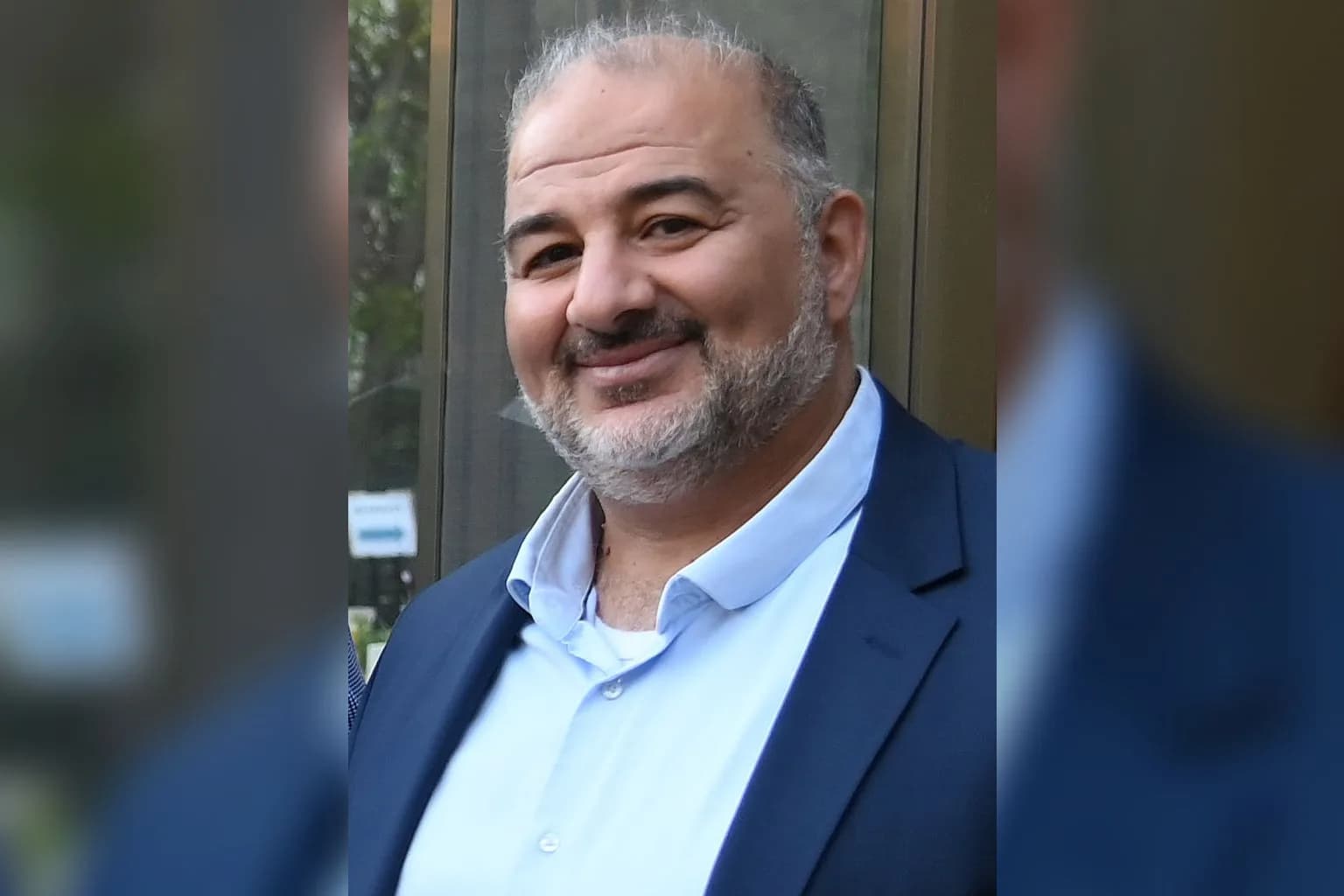
Mansour Abbas, the leader of the Arab-majority Raam party, said he had been approached by both Benjamin Netanyahu’s Likud and the opposition camp led by Gadi Eisenkot. His party is now at the centre of a result in which neither of Israel’s main political camps can govern alone.
Israelis were waiting on Thursday for final results after most votes had been counted by Wednesday night. The remaining count included about a half-million absentee ballots cast by military personnel, diplomats, people in prisons and hospitals, and others; final results could come as early as Thursday evening.
Local media projected 53 seats for Netanyahu’s right-wing bloc, against 48 for opposition parties and a record 19 for Arab-led parties. Control of the 120-seat Knesset requires 61 seats.
The election took place on Tuesday, and exit polls indicated that Netanyahu’s governing alliance had suffered a setback. Netanyahu, the prime minister and Likud leader seeking to retain power, had warned during voting that Arab voters were rushing to polling stations and said an opposition victory would threaten Israel’s Jewish character.
Likud accused Arab-led parties of stealing the election and asked the election committee to investigate. The committee said reported irregularities were few in an election it described as relatively calm.
The Joint List described its result as an unprecedented display of strength and said it was open to political cooperation. Arab citizens account for 20 per cent of Israel’s population, while questions concerning Palestinians and their descendants remain deeply sensitive in Israel.
For Eisenkot, a former Israel Defense Forces chief of staff who leads the Yashar party, the numbers present a difficult path. His party won 21 seats, and the opposition’s 48 seats leave it short of power without support from Arab parties.
Yair Golan, who leads the left-wing Democrats party, has urged his partners to include Arab parties in their coalition calculations. Naftali Bennett and Avigdor Liberman have opposed any government dependent on them.
Arab parties had not joined a coalition government before 2021, and their participation then was brief. Abbas became the first Arab politician to join an Israeli government after that year’s election.
Netanyahu has been a particularly divisive figure, facing corruption allegations as well as accusations that he delayed agreements over the Gaza war, including agreements to free hostages, for political gain. A source close to him said his main aim after the election was to delegitimise Jewish-Arab political cooperation.
A source told CNN that Netanyahu planned to pressure individual opposition lawmakers against cooperating with Arab parties. Bezalel Smotrich, the finance minister from the far-right Religious Zionism party, also warned on Facebook during the election of high turnout in Arab communities and left-wing strongholds, saying a failure to mobilise right-wing voters could bring terror supporters into government. He declared that Jewish settlements would be established in Gaza.
President Isaac Herzog will next week ask someone to try to form the next government. He has called on party leaders to attend consultations with an open mind, saying: “We must do everything to avoid another round of elections.”
The chosen candidate will have 28 days, and a possible 14-day extension, to negotiate over cabinet posts, budgets and policies. If repeated attempts fail to produce a government, Israel will hold a new election early next year.
Comments (0)