
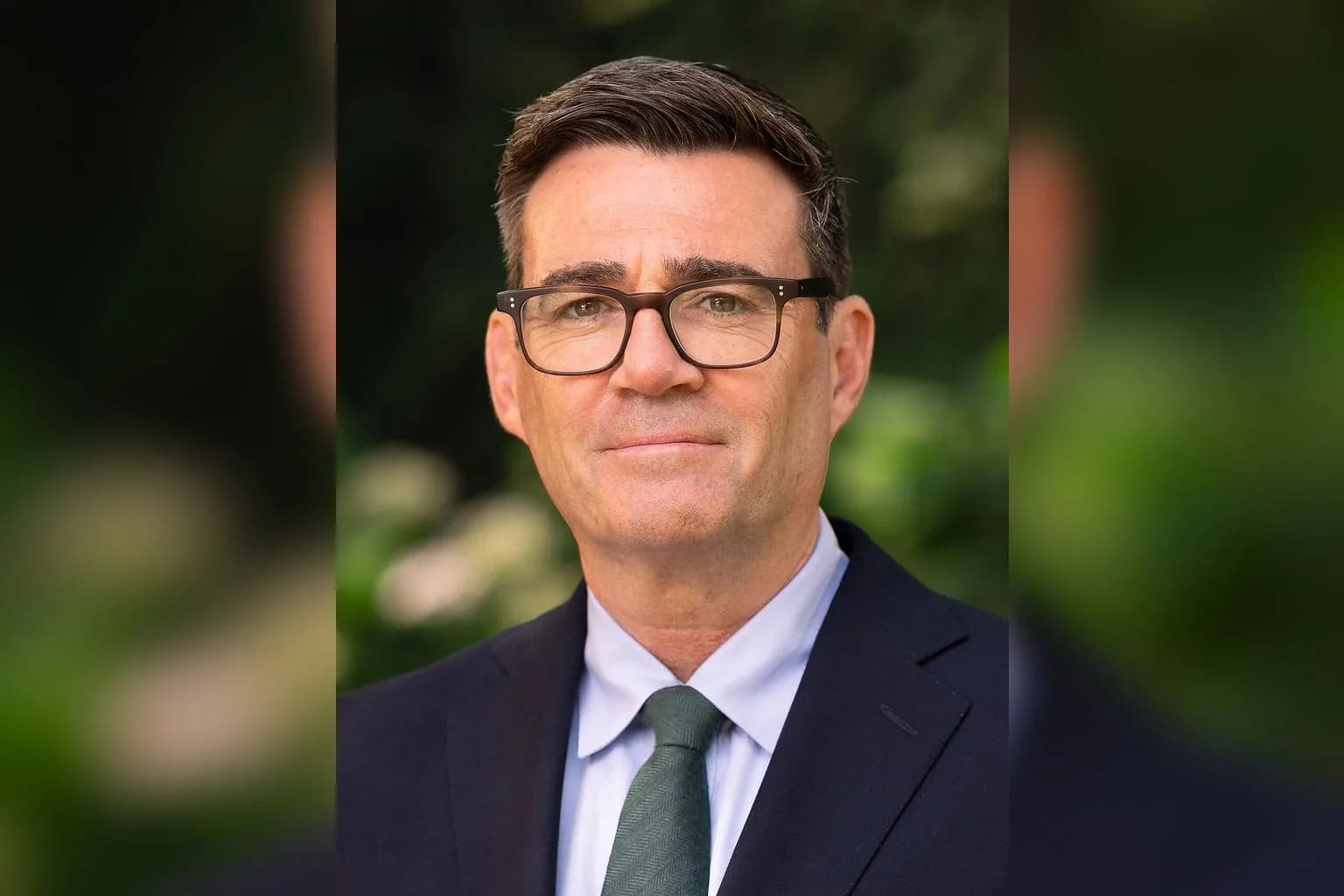
For Caribbean leaders and other Commonwealth members seeking recognition of slavery’s legacy, Britain has opened a formal route towards an apology while excluding financial reparations.
Burnham said countries affected by the slave trade had sought an honest discussion for years, and that Britain’s refusal to engage had harmed the Commonwealth. ‘For years, those members of the Commonwealth affected by the slave trade have asked for an honest conversation about the legacies of slavery. By sticking our heads in the sand, we have damaged the ability of the Commonwealth to function’.
Britain has never formally apologised for its role in the global slave trade. Tony Blair came closest in 2006, when he expressed his “deep sorrow that it ever happened” on behalf of the country. Before this meeting, the previous prime minister, Sir Keir Starmer, had said reparations were outside the summit’s agenda.
The issue of reparations dominated the build-up to the Commonwealth Heads of Government Meeting, where civil society protests also called for an apology and reparations. The meeting in Antigua and Barbuda brought together representatives of 56 Commonwealth countries.
In an article for the Guardian, Burnham said he was willing to consider an apology and described the treatment of enslaved people in stark terms. ‘The transatlantic slave trade was a brutal and barbaric violation of those people. They were denied their humanity. They were separated from their families, treated as property and worked to their deaths.’
He wrote: ‘I want to express my sorrow and regret for the pain and suffering of so many millions and to recognise the way it still shapes our world today.’
At the summit, the UK signed up to ‘structured, time-bound, inclusive and good-faith’ talks on the ‘historical harms’ of the transatlantic slave trade. The commitment was recorded in the meeting’s 18-page communique.
Ed Miliband, the foreign secretary, said a formal apology was something ‘the British government are open to’. He said the discussions were likely to finish in around a year. Asked by BBC Newscast whether that could mean an apology by the time Britain hosts the G20 leaders’ summit in Manchester next November, he replied: ‘Broadly speaking, yes.’
Officials said the timetable for the talks would be settled later, leaving no fixed completion date.
Burnham has ruled out reparations. He wrote: ‘I do not think that British people today can be held liable for historical wrongs, however heinous, which happened in a different age under different laws and in which they played no personal part.’
Miliband said: ‘we don't believe financial reparations are the right or feasible answer to transatlantic slavery. We don't think the right response is to ask British taxpayers today to make financial payments for these historic acts’.
King Charles III, head of the Commonwealth, told the meeting that ‘The transatlantic trade in enslaved persons still casts a shadow over these islands and other Members of our Commonwealth’. He added: ‘that shameful chapter of history is one that fills my heart with horror and my soul with the most profound personal sorrow.’
Kemi Badenoch, the Conservative leader, opposed both compensation and an apology. ‘I don't think we should be giving any money to compensate people for the slave trade, and I don't think that Andy Burnham needs to be apologising because it is a lever to wedge open the door to ask for cash’.
There was a cautious welcome from reparations advocates. Dorbrene O'Marde, chair of the Antigua and Barbuda reparations support commission, called Burnham’s statement ‘a movement in the correct direction in the interest of reparatory justice and humanity generally’. Ralph Gonsalves, a former prime minister of St Vincent and the Grenadines and a senior figure in the Repair campaign, said an apology was the first part of the Caribbean community’s 10-point reparations plan but ‘though necessary, is insufficient’.
Burnham said his ‘new approach with the Commonwealth’ had been ‘well received’ and called the gathering ‘the most successful meeting of the Commonwealth in recent times.’
Comments (0)