
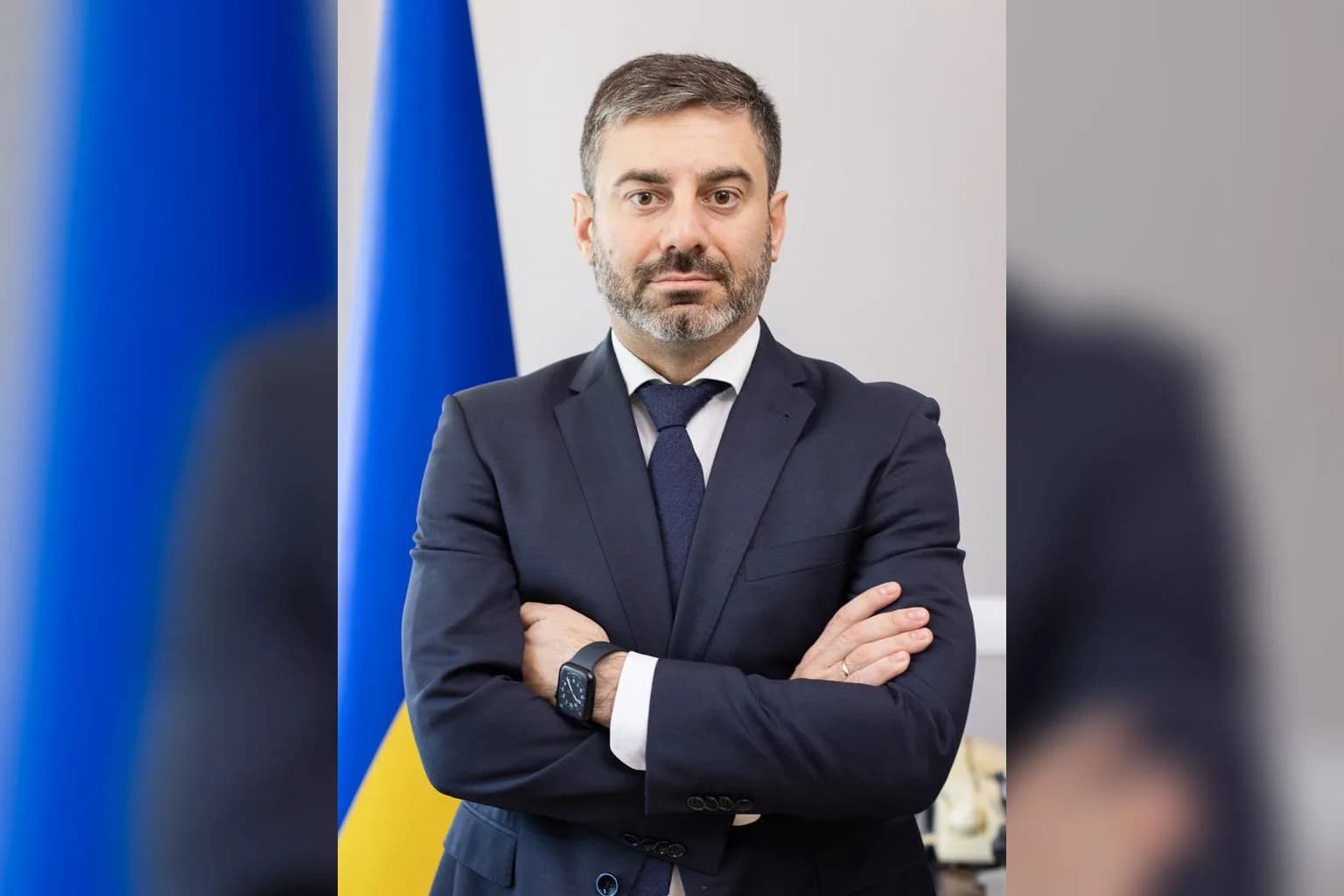
Dmytro Lubinets, Ukraine’s human rights commissioner, spoke with journalists beside an aid convoy in Oleshky on 30 October 2026, then posted videos of himself talking with local people in the Russian-held city. Lubinets led the humanitarian delegation and coordinated the operation with his Russian counterpart, Yana Lantratova.
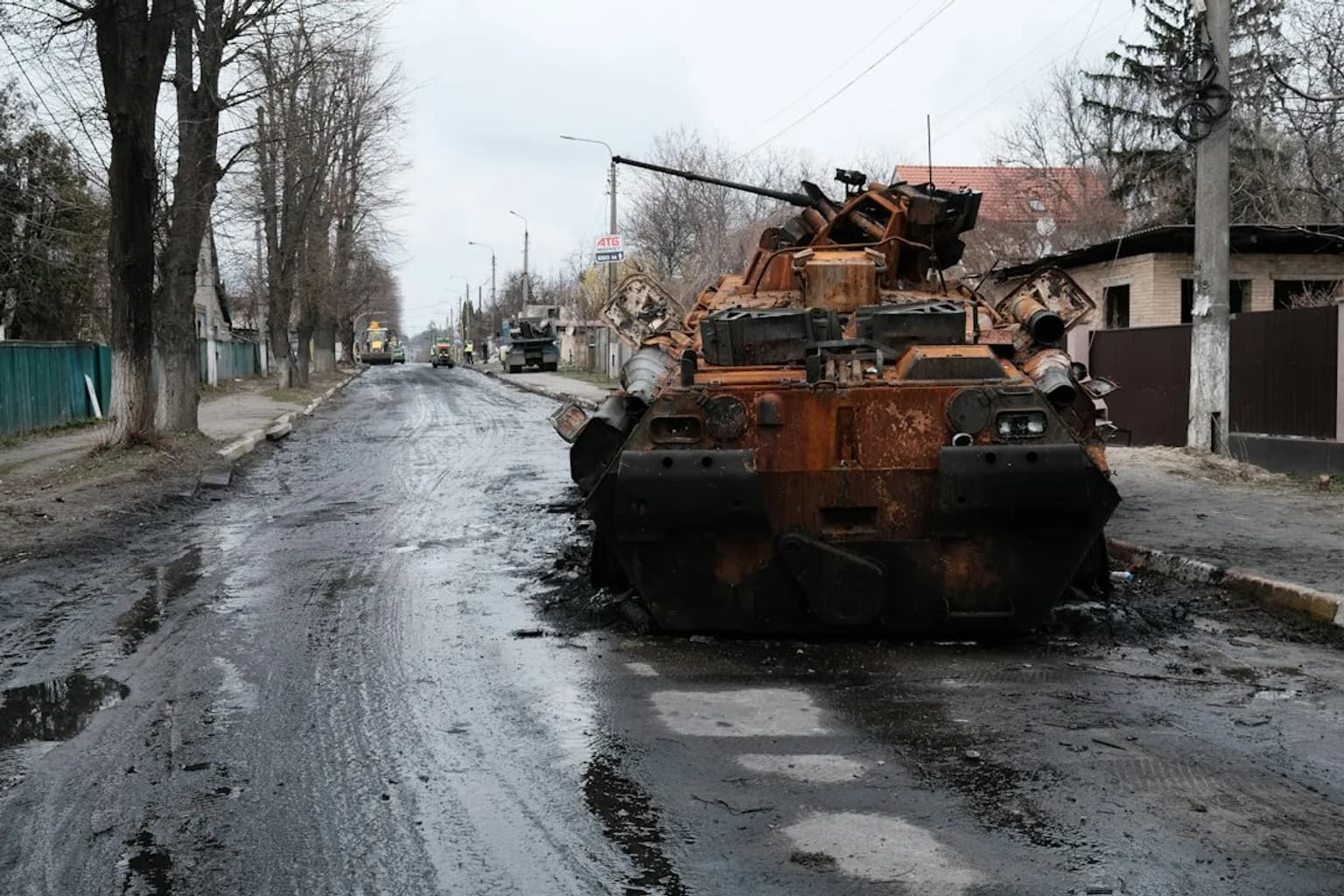
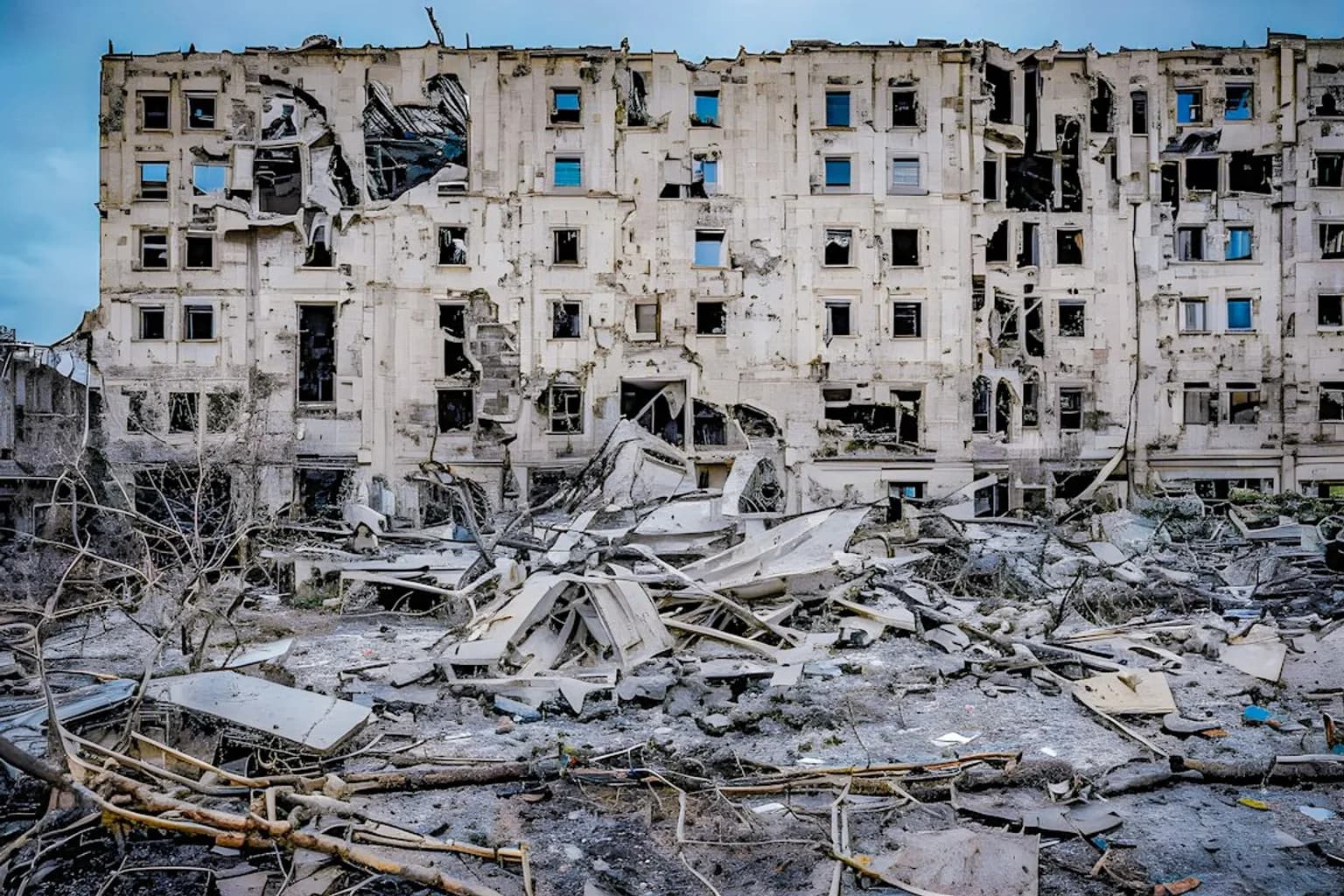
The convoy carried food and medical supplies into Oleshky, where residents have been facing shortages of food, drinking water and medicine. The city has no electricity, heat or running water as another harsh winter approaches, and its roads are heavily mined.
Lubinets said the mission was intended to bring in aid, allow civilians to leave safely and provide assistance to those who stayed. “At this stage, it is equally important that both sides observe the ceasefire,” he said, thanking the Armed Forces of Ukraine, Lantratova and US First Lady Melania Trump for their cooperation.
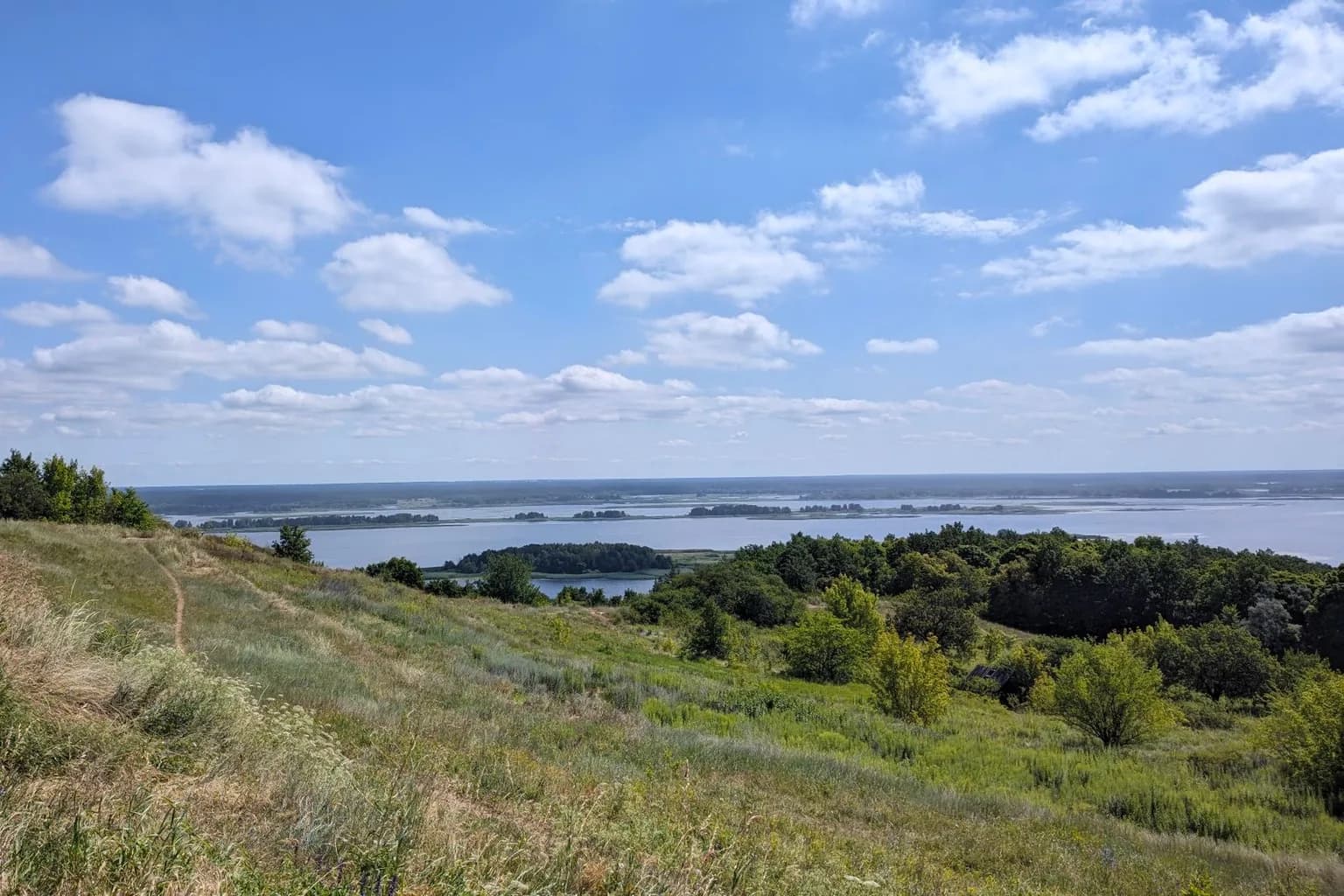
Oleshky lies on the left bank of the Dnipro River in Ukraine’s southern Kherson region, roughly 5 kilometers (3 miles) southeast of Kherson city. Russian forces seized it soon after Moscow’s February 2022 invasion of Ukraine. Its population has fallen from roughly 24,000 before the war to about 2,000.
The city’s remaining residents had endured months of deprivation. The last food delivery was reported on May 26, and Lubinets said on 16 September that people had begun escaping independently on foot across mined fields, under the threat of constant Russian drone attacks.
Diplomatic efforts opened the route for the mission. Pope Leo XIV telephoned Russian President Vladimir Putin on 16 October, urging an immediate ceasefire and the delivery of food and medical assistance to Oleshky. The Pope then spoke to President Volodymyr Zelensky on Monday, 19 October, repeating his request for a humanitarian ceasefire.
Chief of the Russian General Staff Valery Gerasimov announced a “silence regime” along the Kherson front from Tuesday, 27 October. The localised ceasefire began at 3am Kyiv time that day and was scheduled to last until 10:59pm on 1 November.
The White House said Trump had mediated the Oleshky ceasefire. She described the city as “on the brink of disaster”, with food and medical supplies running perilously low for up to 2,000 people.
Preparations included clearing mined routes. Lubinets said the first 30 hours of the ceasefire had passed without incidents, and the truce had held for more than 64 hours with no incident reported.
On Wednesday, 28 October, Trump said four journalists from the US conservative broadcaster Newsmax would join Ukrainian and Russian humanitarian officials in Oleshky as “neutral observers.”
Lubinets’s delegation set off towards Oleshky on Thursday, 29 October. Davyd Arakhamia, who leads Zelensky’s Servant of the People party in parliament, said journalists from all three countries had reached the staging location.
Lantratova said she had met Lubinets overnight in Oleshky to coordinate the next steps. She said 25 buses with at least 750 seats were ready for residents seeking to leave, alongside ambulances for people with limited mobility. She also reported that two people had been killed during demining operations.
Ukrainian officials said 527 people would be evacuated from Oleshky to areas controlled by Kyiv. Evacuations were scheduled to continue until 2pm local time (12:00 GMT), and Lantratova posted a video showing groups waiting to board buses.
Zelensky warned that Russia could manipulate the demining arrangements to steer evacuees towards Russian-controlled territory.
The Kremlin spokesman, Dmitry Peskov, said on Friday that the Oleshky operation was an isolated case that should not be extended to the broader peaceful settlement process in Ukraine.

Comments (0)