

Melania Trump began discussions on Oleshky after hearing about the city’s plight during a private conversation at her Fostering the Future Together event in New York City, held during the 81st United Nations General Assembly. The White House said the talks continued for several weeks.
They produced an agreement on Friday between Ukrainian, Russian and US negotiators to provide humanitarian assistance in the Russian-occupied town in the Kherson region of southern Ukraine.
Oleshky sits on the eastern bank of the Dnipro River, directly opposite Ukrainian-controlled Kherson. It has been under Russian occupation since the first days of the full-scale invasion in February 2022.
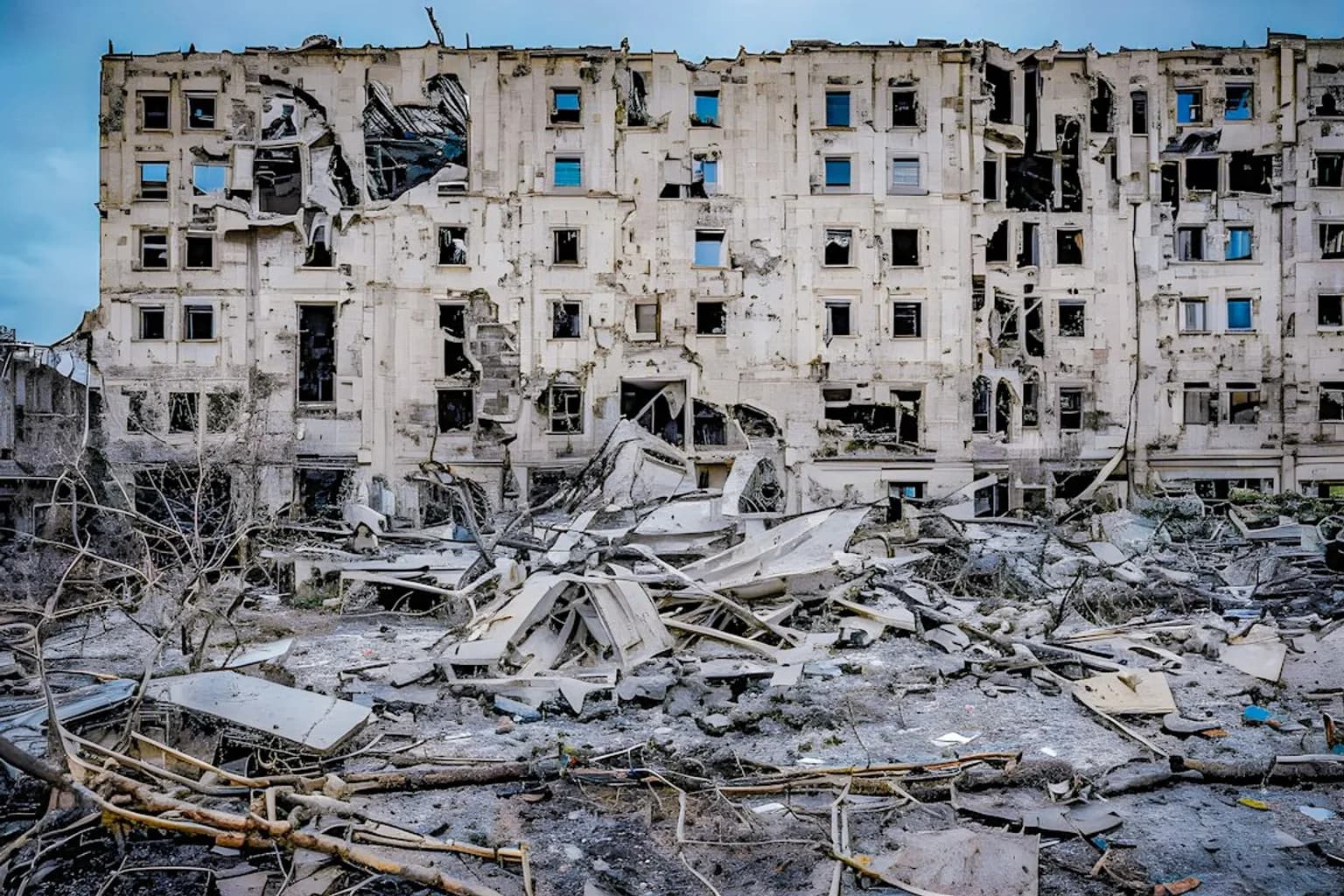
About 24,000 people lived there before the war. An estimated 1,700 to 2,000 remain, mainly older residents and approximately 50 children. Tetiana Hasanenko, head of the Oleshky city military administration, put the remaining population at around 2,000, including 35 children. She said the city was practically destroyed, with almost no undamaged building.
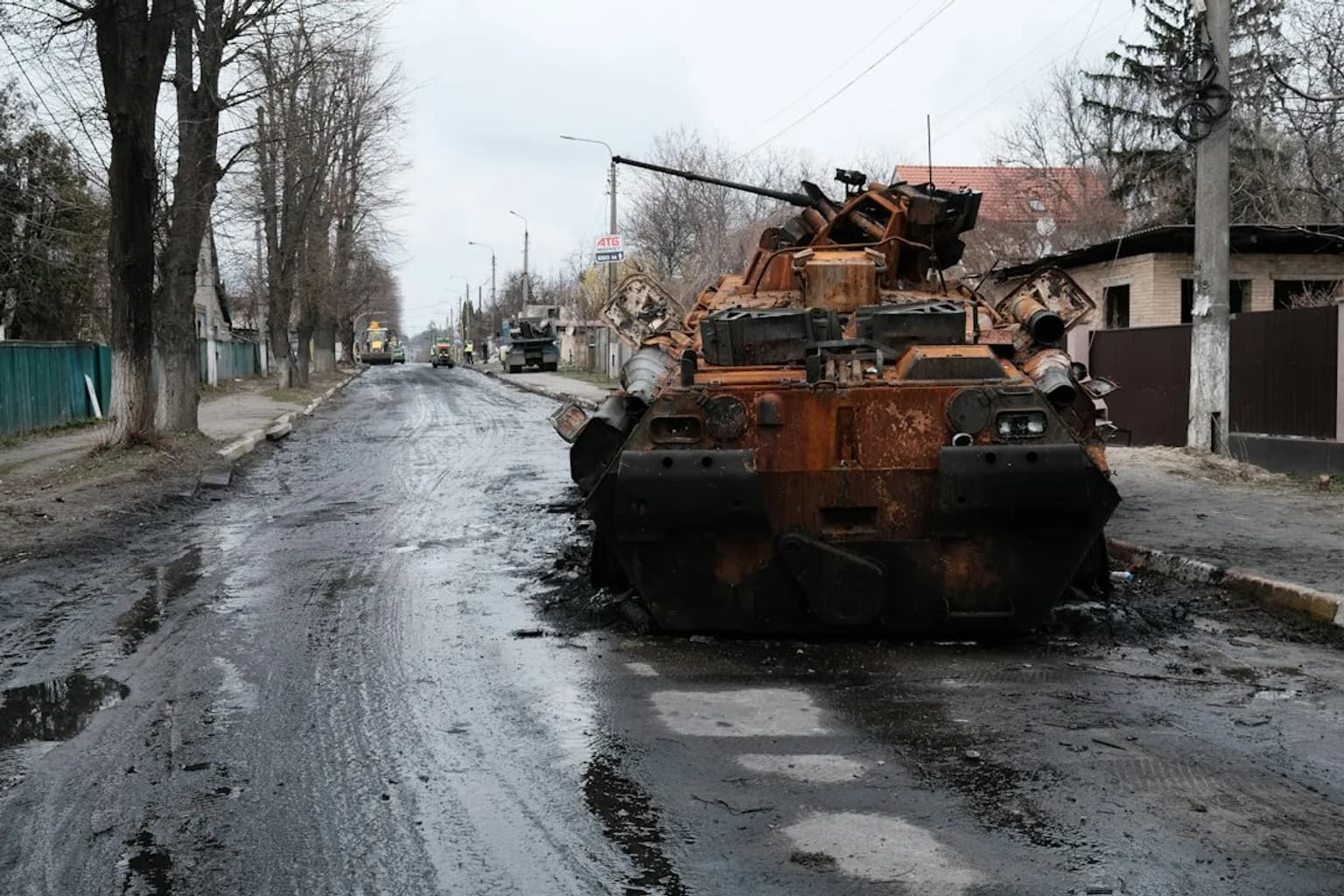
Food and medical supplies have been scarce for months. Residents need medical attention, medicine, food and clean water, and live with limited electricity, mined roads and regular military attacks. Hasanenko said some people were surviving on one meal a day, at times only a few spoonfuls of grain, while others had eaten weeds.
The city was also hit by flooding after the destruction of the Kakhovka Dam. Approximately 90 percent of Oleshky’s territory was flooded.
Residents who have tried to flee have had to walk approximately 25 kilometers towards the village of Radianske, across heavily mined ground exposed to drone attacks.
Trump, whose formal role is Exclusive Intermediary, established a channel with Russia and Ukraine through earlier reunifications of 34 children seized by Russia during the war. The White House said Trump and a representative then worked directly with Russian and Ukrainian leadership on the ceasefire’s terms.
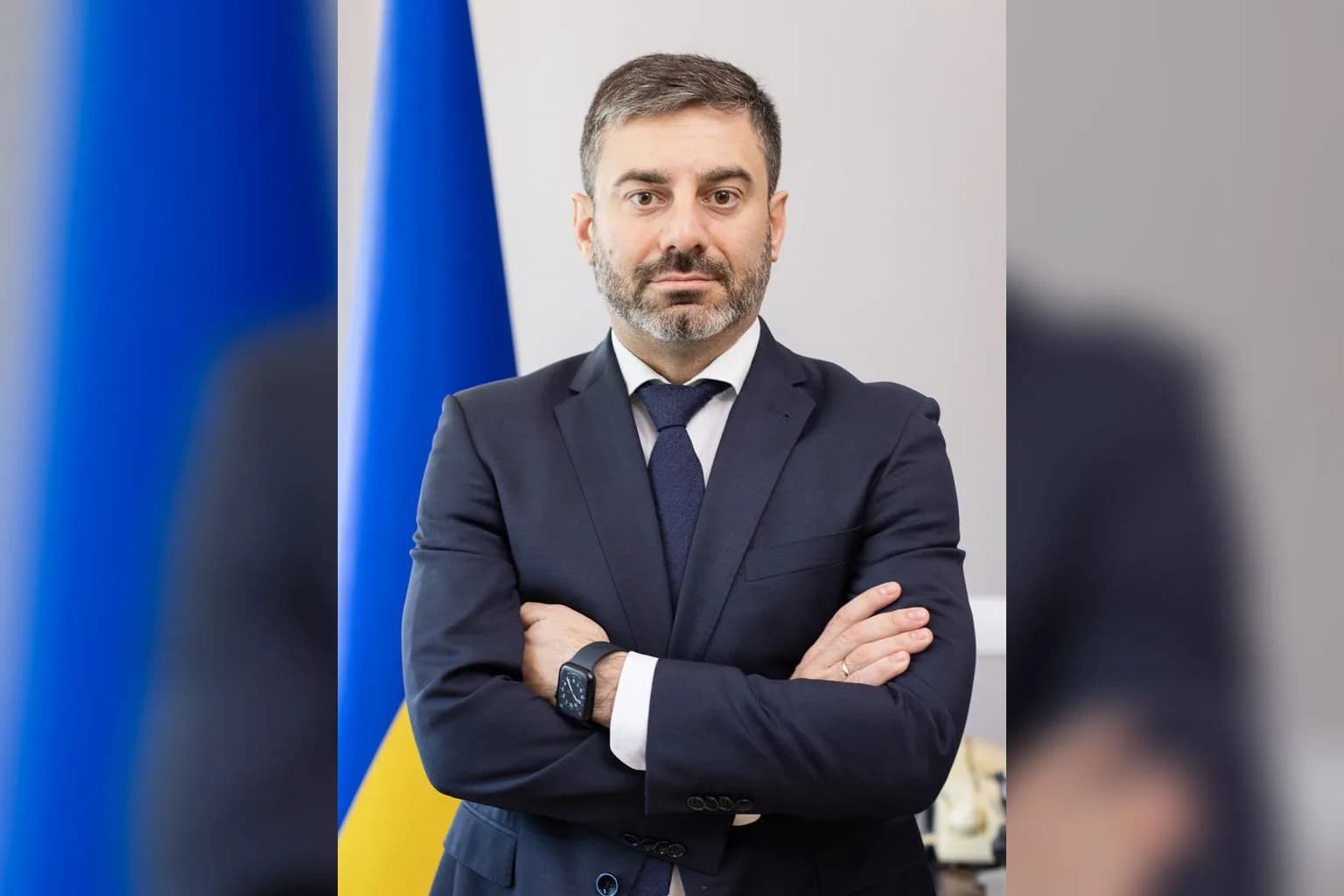
Dmytro Lubinets, Ukraine’s ombudsman and chief negotiator, confirmed the agreement and thanked Trump for her involvement. He said the operation would be gradual and extremely difficult to carry out.
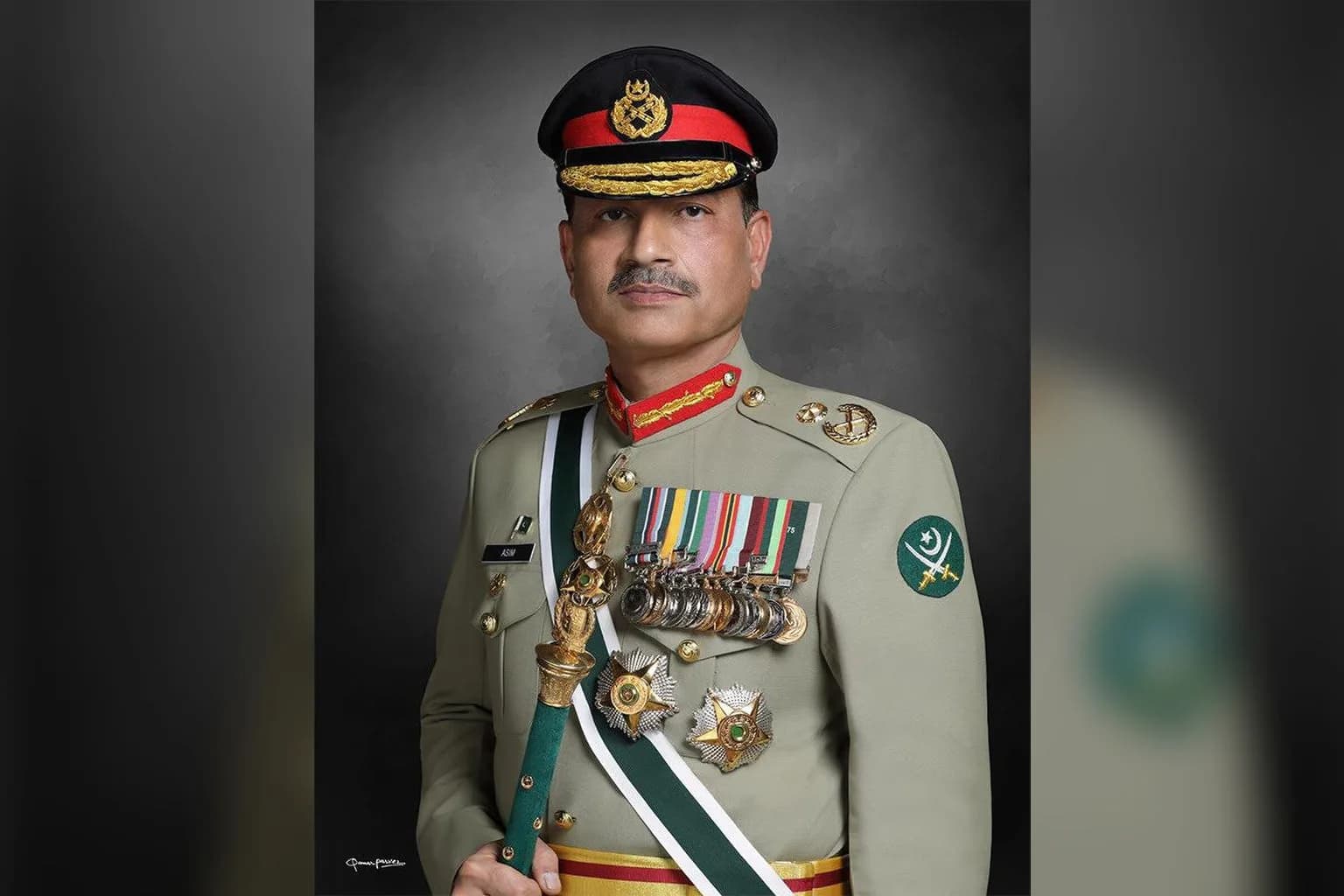
Lubinets said the ceasefire would begin on October 27 and last several days, covering the Kherson region and neighbouring areas needed for the operation. General Valery Gerasimov, Russia’s chief of the general staff, said Russian forces would cease fire on the Kherson axis from 4 a.m. on Tuesday in Moscow, in connection with the humanitarian operation near Oleshky.
Gerasimov said Russian forces would conduct engineering reconnaissance and provide safe movement for the humanitarian convoy entering the city. Yana Lantratova, Russia’s human rights ombudswoman, also confirmed on Friday that Trump had brokered an agreement for a humanitarian mission. She said its first task would be to establish what residents require and arrange deliveries of food, medicine, hygiene products and other essentials.
The agreed sequence begins with a ceasefire, followed by humanitarian aid and then permission for civilians to leave Oleshky. Mines are to be removed on the route into the town before aid deliveries and evacuation arrangements begin, Lubinets said.
Civilian leaders from both countries are to visit people in their homes and assess the help they need. Those who want to leave are to receive coordinated assistance and transport to their preferred destination. Trump also secured an American media organisation to accompany Russian and Ukrainian teams during the operation and aid deliveries.
Comments (0)