
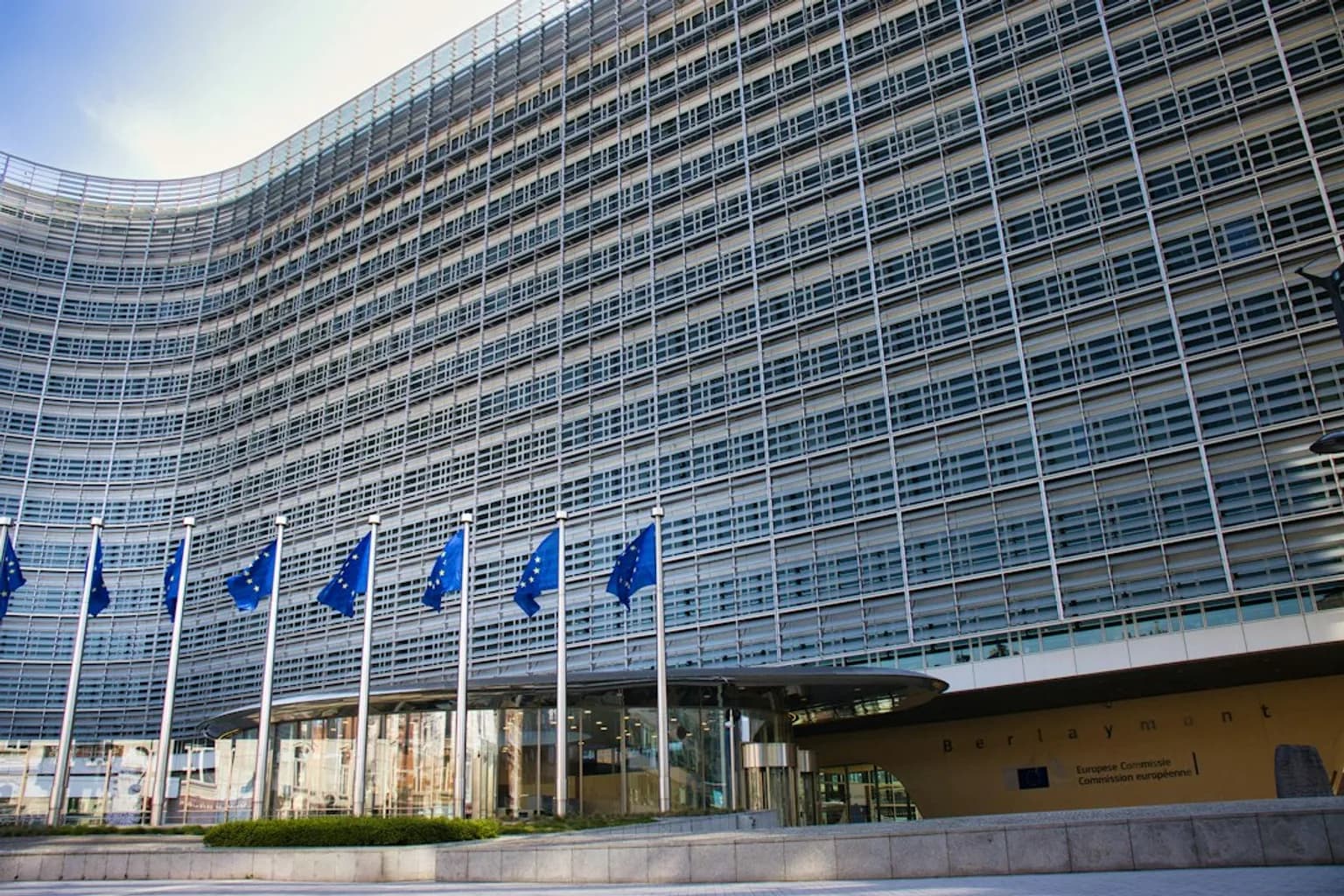
Children in countries preparing new limits on social media access will have to wait while governments pause draft laws for 12 months.
The European Commission says platforms could not readily comply with a patchwork of age thresholds and laws across member states. It says negotiations should now focus on the Kids Act, its proposed EU-wide framework.
At the Commission’s daily press briefing in Brussels, its spokesperson Thomas Regnier announced that the drafts would be delayed. “The Commission has decided to postpone all drafts of national laws that overlap with the future harmonized rules for twelve months,” he said. Regnier described the issue in two versions of the same institutional argument: “A European problem requires a common European answer. We must now focus on negotiations on the EU Kids Act.” He also said: “A European problem requires a united European response.”
The Commission and member states have been working on social media age restrictions since the previous year, citing risks to young people’s mental health. Greece and Denmark had made clear that they did not intend to wait for EU rules to be negotiated and put into force.
Austria sent its own draft to the Commission in July, seeking a ruling on whether a planned prohibition on access for those under 14 years old complied with EU law. The deadline for a reply fell on Thursday. Instead, the Commission asked Austria to suspend adoption of the measure for one year.
In September, the Commission proposed the Kids Act, presented on 17 September by Commission President Ursula von der Leyen and Executive Vice-President Henna Virkkunen. The proposal would generally prohibit social media access for children under 13 years, while severely restricting it for adolescents under 15 years. Those aged 13 to 15 could use parent-supervised “mini accounts”, while independent accounts would be allowed from the age of 15.
Virkkunen also held discussions with the Austrian government to inform it of the decision to freeze national laws. The pause applies to national drafts that overlap with the future harmonised rules, rather than laws whose procedures had already been completed before the proposal. Greece has already passed a law for those under 15 years and is expected to retain it on that basis. Greece’s measure is due to take effect on January 1, 2027.
Slovenia, Italy, Belgium and France are among the member states that have notified laws to the Commission.
Austria’s State Secretary Alexander Pröll condemned the decision. “It is unacceptable for Brussels to block member states from enacting national laws without presenting a completed European solution of its own,” he said.
Andreas Babler, Austria’s Vice-Chancellor and Minister for Media Affairs, said: “I have no sympathy for the European Commission's delay of Austria's social media ban.” Austria will continue preparing its legislation and will “advance the legislative process at national level to ensure that the social media ban can be implemented immediately once the EU standstill period has expired,” Babler said.
The final terms of the Kids Act still require agreement among member states, the European Parliament and the Commission before the rules can take effect. The standstill could run for a further six months if the Council adopts its first-reading position during the initial period.



Comments (0)