
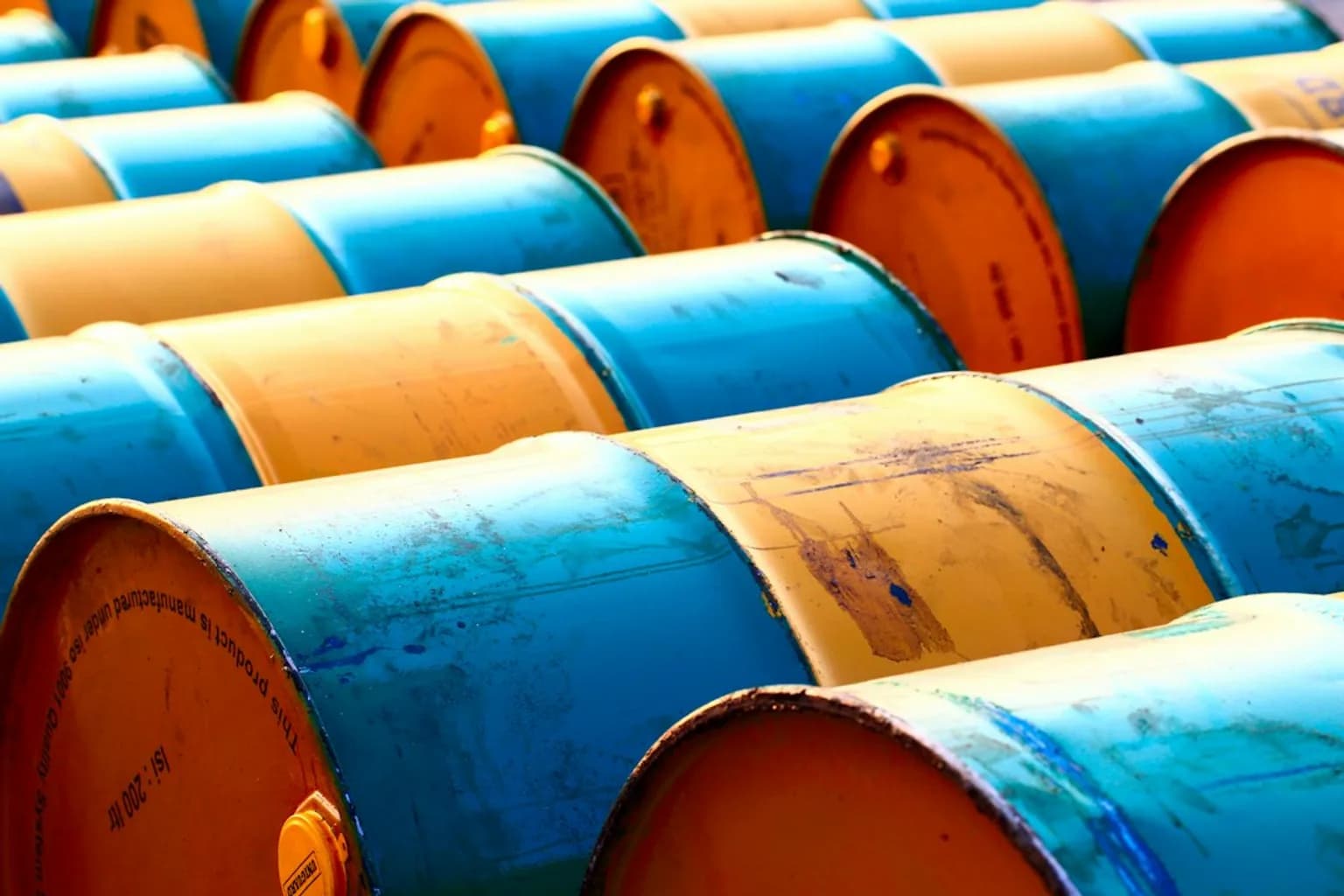
Roland Lescure said fuel prices could begin reacting as early as next week. Yet the French economy minister was announcing the sale of oil from reserves at a time when available stockpiles outside China have fallen sharply.
Before EU energy ministers gathered in Luxembourg, Lescure said Europe would put 42 million barrels of oil reserves on the market over the coming three months. Half of the release will be diesel.
“Diesel is ‘at the heart of our challenges’,” Lescure said.
He said the reserves would be sold without markup, which he expected to cut prices by 12 to 18 euro cents per liter. France’s previously announced drawdown of 10 million barrels of diesel would reach the market within days, he said.
The wider effort follows a 2 October agreement by the Group of Seven to release 100 million barrels of oil and diesel from emergency reserves. The release will be coordinated through the International Energy Agency over four months, with a substantial volume of diesel made available within the first 20 days.
The International Energy Agency’s Governing Board agreed on 15 October to speed up the release of remaining volumes under its March 2026 Collective Action.
Supply pressure has been driven in part by a sustained Ukrainian drone campaign against Russian oil refineries during August, when approximately 21 sites were hit, a wartime high. Bloomberg estimated on 28 August that attacks had reduced Russia’s production of gasoline, diesel, aviation fuel and other petroleum products by more than 30%.
Diesel is essential to transportation, agriculture, manufacturing and the movement of goods. US diesel prices reached a record $6.53 per gallon in late September, according to AAA data cited by Reuters.
Companies and governments outside China have drawn down about 700 million barrels of available reserves and have only around 700 million or 800 million left, according to Andy Harbourne at Wood Mackenzie. Global inventories outside China had fallen from 7.4 billion barrels at the start of the conflict to 6.8 billion.
Amin H Nasser, chief executive of Saudi Arabia’s state oil giant Aramco, warned that the world’s stockpiles were “scarily thin”.
International Energy Agency nations will need to replace their 420 million barrels of used emergency reserves. Lescure said Europe would keep open the option of further releases from its stockpiles, and said he hoped the crisis would be settled “slowly, but surely”.


Comments (0)