
Commercial vessels in the Strait of Hormuz and Bab al-Mandeb, along with Gulf energy infrastructure, remain exposed as Washington weighs diplomacy against a possible military response to Iran.
Rubio said Iran’s regime was targeting commercial shipping and threatening neighbouring energy infrastructure unless its demands were met. “The Iranian regime is basically arguing: unless we get what we want, not only will we blow up ships, but we will destroy the energy infrastructure of our neighbours in the entire region,” he said.
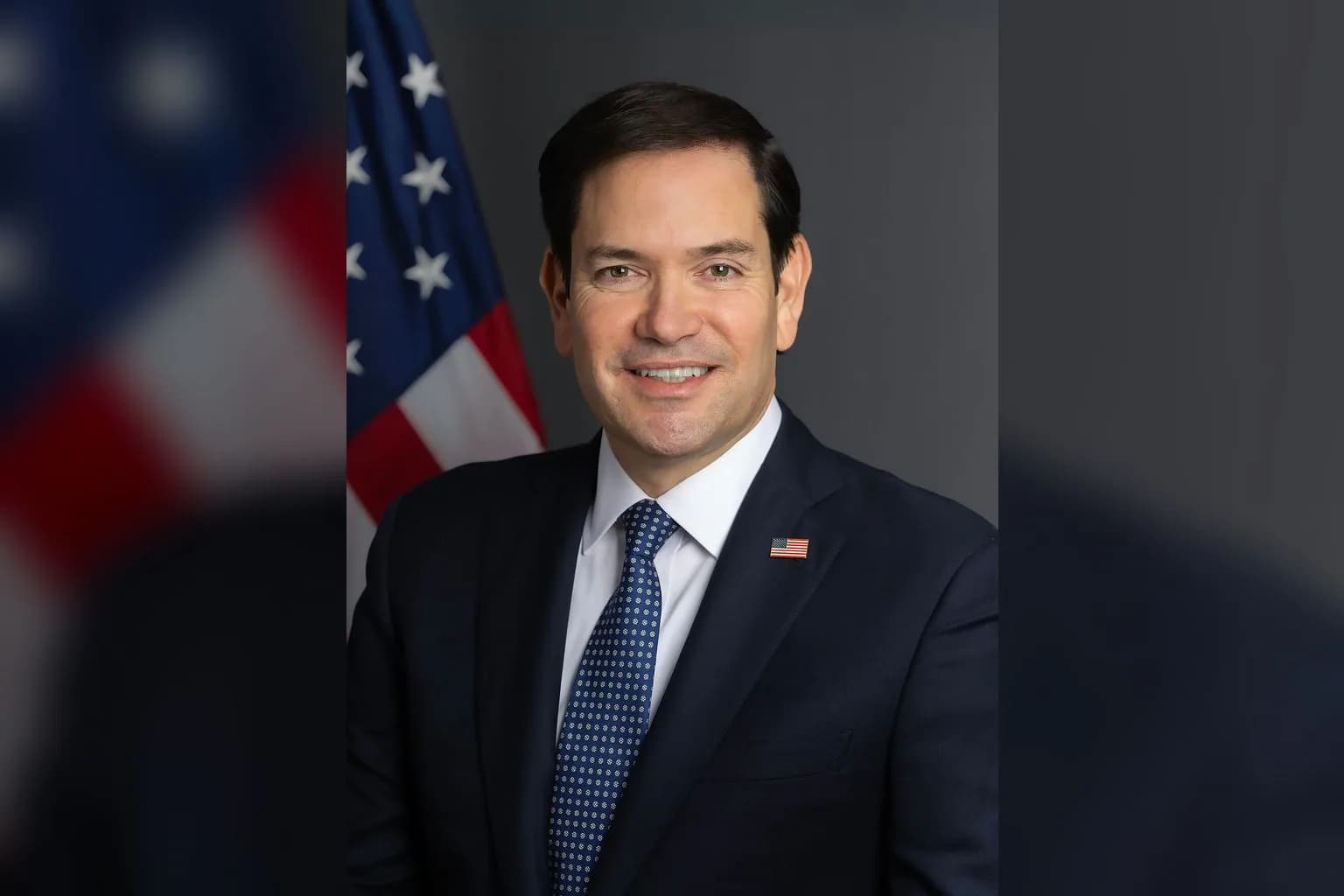
At a press conference in Atlanta, Georgia, as the G20 foreign ministers’ meeting ended on Saturday, 31 October, Secretary of State Marco Rubio said President Donald Trump had yet to decide whether to order military strikes against Iran.
“We can achieve military objectives if we seek to. He hasn't made a decision,” Rubio said. He added: “if we needed to do something military, we would have the ability to do it… but we would prefer to do it peacefully”.
Rubio said Trump preferred a diplomatic outcome and had set no deadline for efforts to resolve the conflict. “If there is a diplomatic solution, we would be open to it,” he said.
Any agreement, he said, would have to protect US national security and address Washington’s core concerns.
US forces were shooting down Iranian drones and missiles aimed at vessels almost daily, Rubio said, and the burden of protecting shipping had fallen mainly on the United States. He said international help had been limited: “So far, we've had some very limited co-operation, but not much”.
Rubio said fuel passing through the straits was comparable with the volume moving before the conflict.
The G20 meeting closed without a joint communique. Divisions over Russia’s war in Ukraine, the Iran conflict and US tariffs prevented consensus, Rubio said.
He declined to discuss possible military plans. “I'm NOT going to comment about what the US may or may not do militarily, nor am I going to be up here and BROADCAST any decision in that regard has been made,” Rubio said.
US forces in the Middle East could launch new, potentially major operations against Iran “within 96 hours of receiving” an order from Trump, according to two US officials who spoke to CNN for a report published on 26 October.
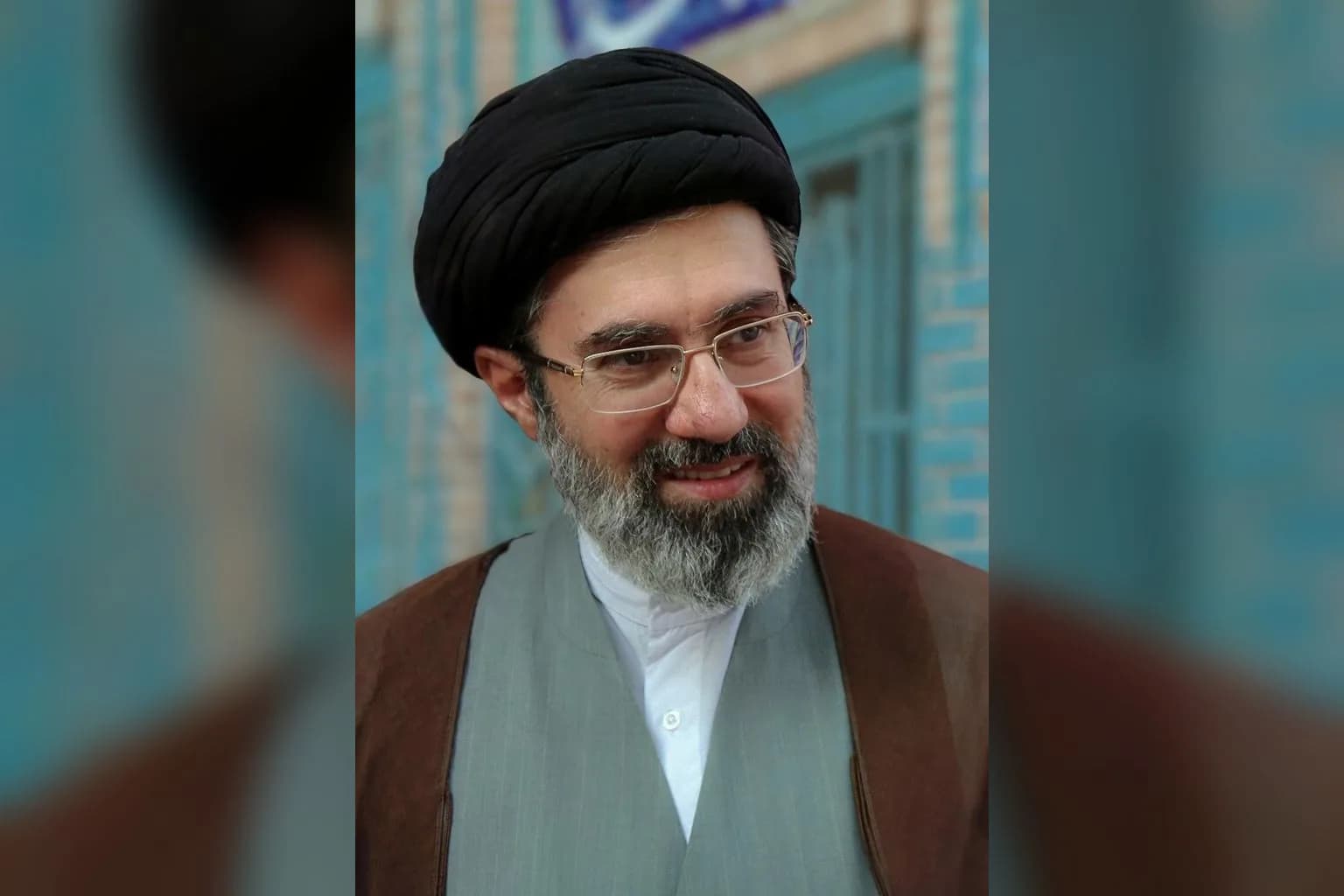
Iran has prepared its own response. Its Supreme Leader, Mojtaba Khamenei, ordered an immediate and maximum response to any US or Israeli attack, describing retaliation as “geographically unrestricted”.
Khamenei told military commanders to broaden the list of potential targets to include “all U.S. and Israeli assets, tangible and intangible” and to increase weapons production.
Qatar-led talks aimed at ending hostilities between the US and Iran are under way. Rubio said he did not know their specific timetable.
Comments (0)