
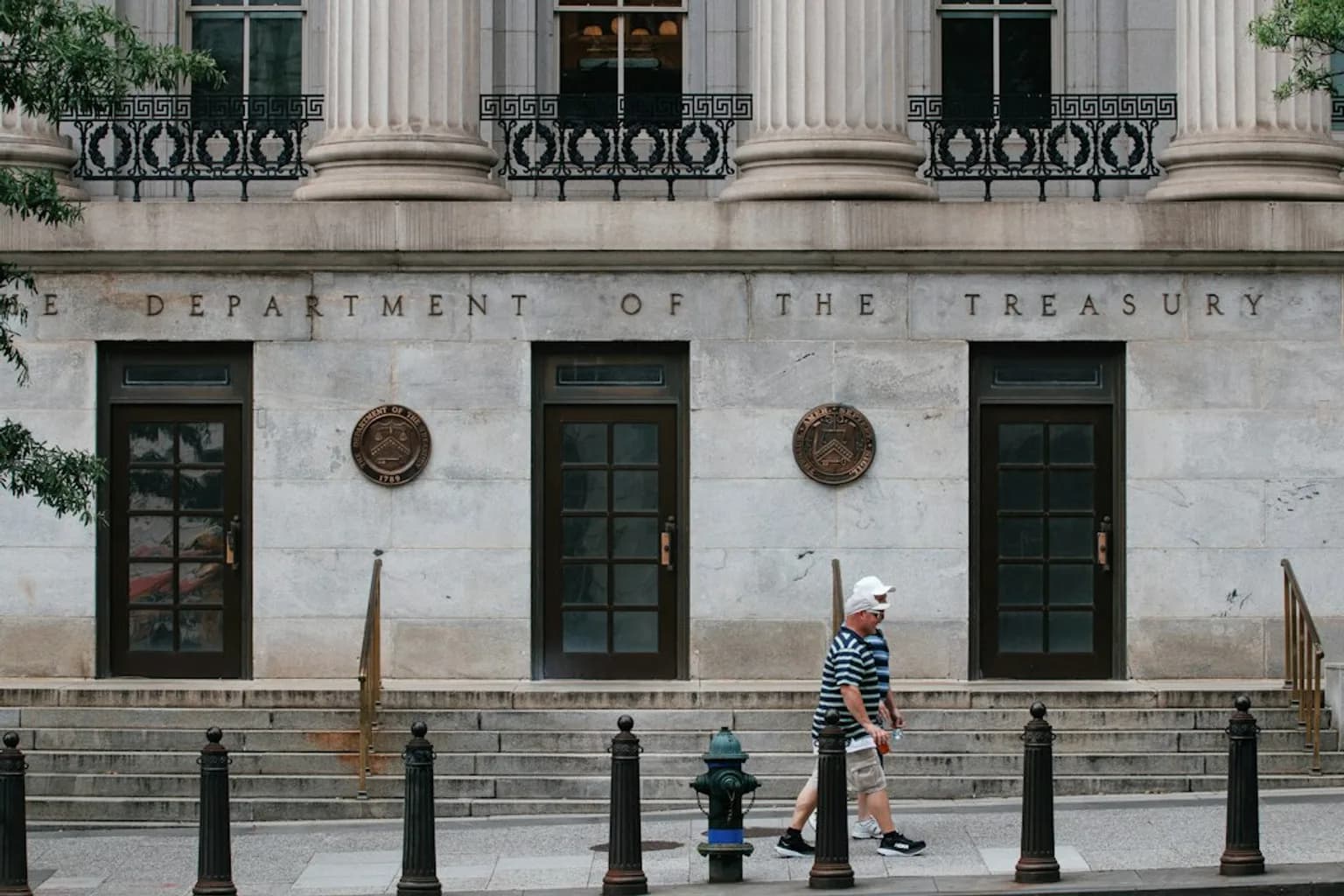
Scott Bessent launched the Treasury Department’s Operation Economic Outcast on 24 August 2026, comparing the economic campaign against Iran to D-Day and promising to “sever every economic lifeline” sustaining the Iranian government.
The Treasury Secretary also said further financial measures were likely to come “week after week”, a timetable that points to a sustained effort rather than the swift result sought by the White House.
The war began on 28 February 2026. A memorandum in June briefly offered a route towards de-escalation, though it has failed to deliver a durable settlement.
More than six months into the conflict, the White House needs to show a path to victory. Trump’s approval rating stands at 33 percent, while support for the war is 36 percent, according to a Reuters/Ipsos poll.
The administration has identified four main aims: regime change, the dismantling of long-range ballistic missiles, the elimination of nuclear enrichment and an end to Tehran’s support for regional proxies. In the past four weeks, US officials have sought an economic victory through Operation Economic Outcast by tightening the sanctions regime.
The offensive combines oil sanctions with pressure on banks and exchange houses, shipping restrictions, threats against foreign companies and the privileged position of the dollar. Trump’s 2025 maximum-pressure memorandum ordered officials to push Iranian oil exports towards zero and step up enforcement against buyers, shippers, insurers and financial intermediaries.
China bought 80-90 percent of Iran’s crude oil in the year after February 2025, worth nearly $32 billion. On 19 August 2026, the UAE suspended all trade, commercial exchanges and financial transactions with Iran.
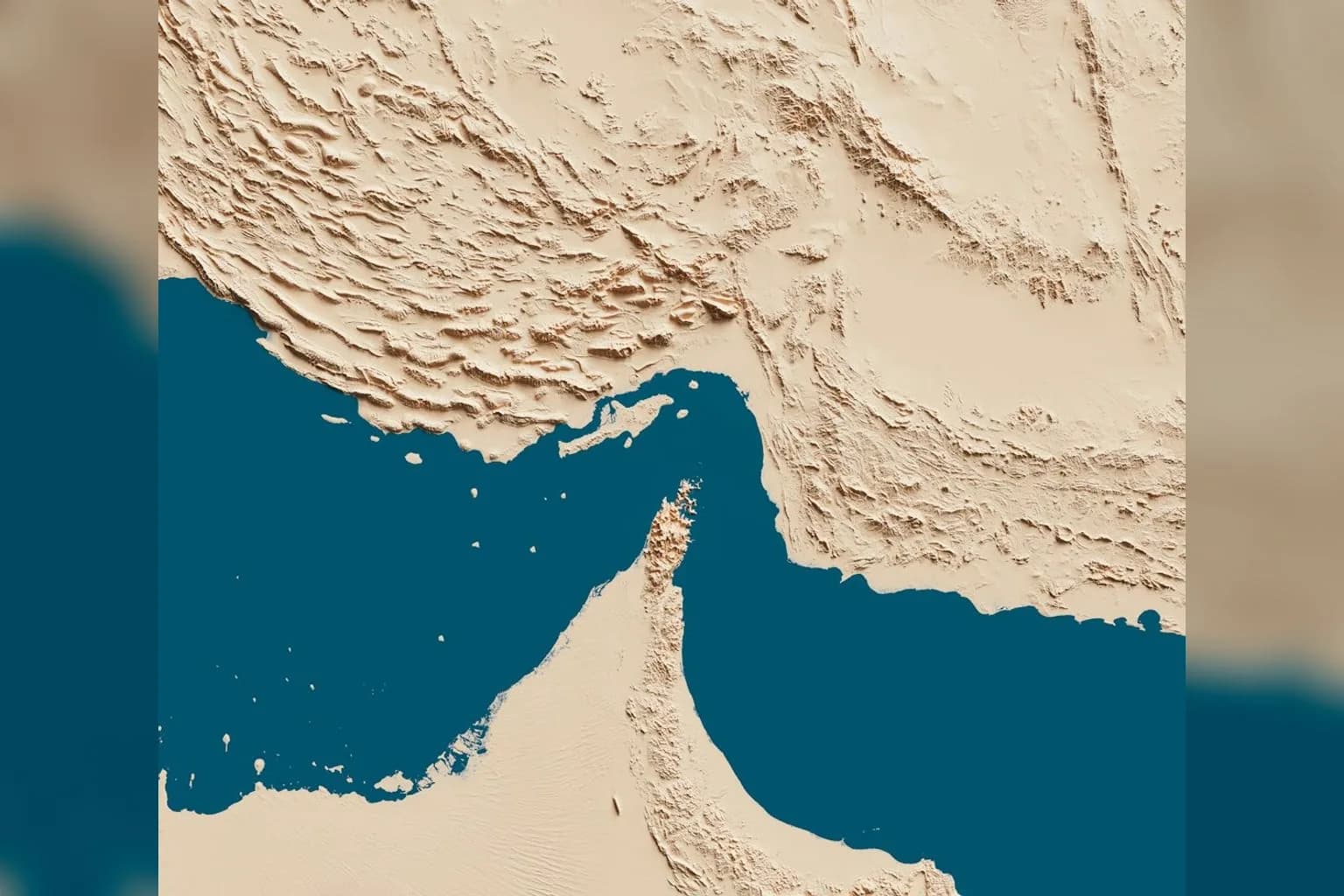
The administration has also tightened its naval blockade while targeting Iranian oil revenues and threatening secondary sanctions against countries trading with Tehran. The essential closure of the Strait of Hormuz has disrupted oil and gas flows from Gulf nations that rely on energy exports to finance their budgets.
Iran put forward a seven-day proposal to end the war and reopen the Strait of Hormuz. It called for Washington to lift its naval blockade of Iranian ports, waive sanctions on Iranian oil sales, release an estimated $12bn in frozen Iranian assets and observe a broader regional ceasefire including in Lebanon and Yemen.
Donald Trump rejected Iran’s latest proposal. Andreas Krieg, an associate professor at King’s College London, said Trump believes the naval blockade and economic isolation are squeezing Iran. Krieg assessed Iran’s strategy as a bet on time, making a US exit progressively more expensive.
The Pentagon has extended troop deployments in the Middle East through 2027. US officials are considering periodic disproportionate strikes, an approach they call “mowing the lawn”.
Trump reportedly favours declaring victory and walking away, while support for withdrawal is gaining ground in establishment circles. Joe Kent, the former Director of the National Counterterrorism Center, resigned in protest over the war and argued on social media that the US should “reset the terms of the deal” with Iran “by removing our troops & ships from the region”.


Comments (0)