
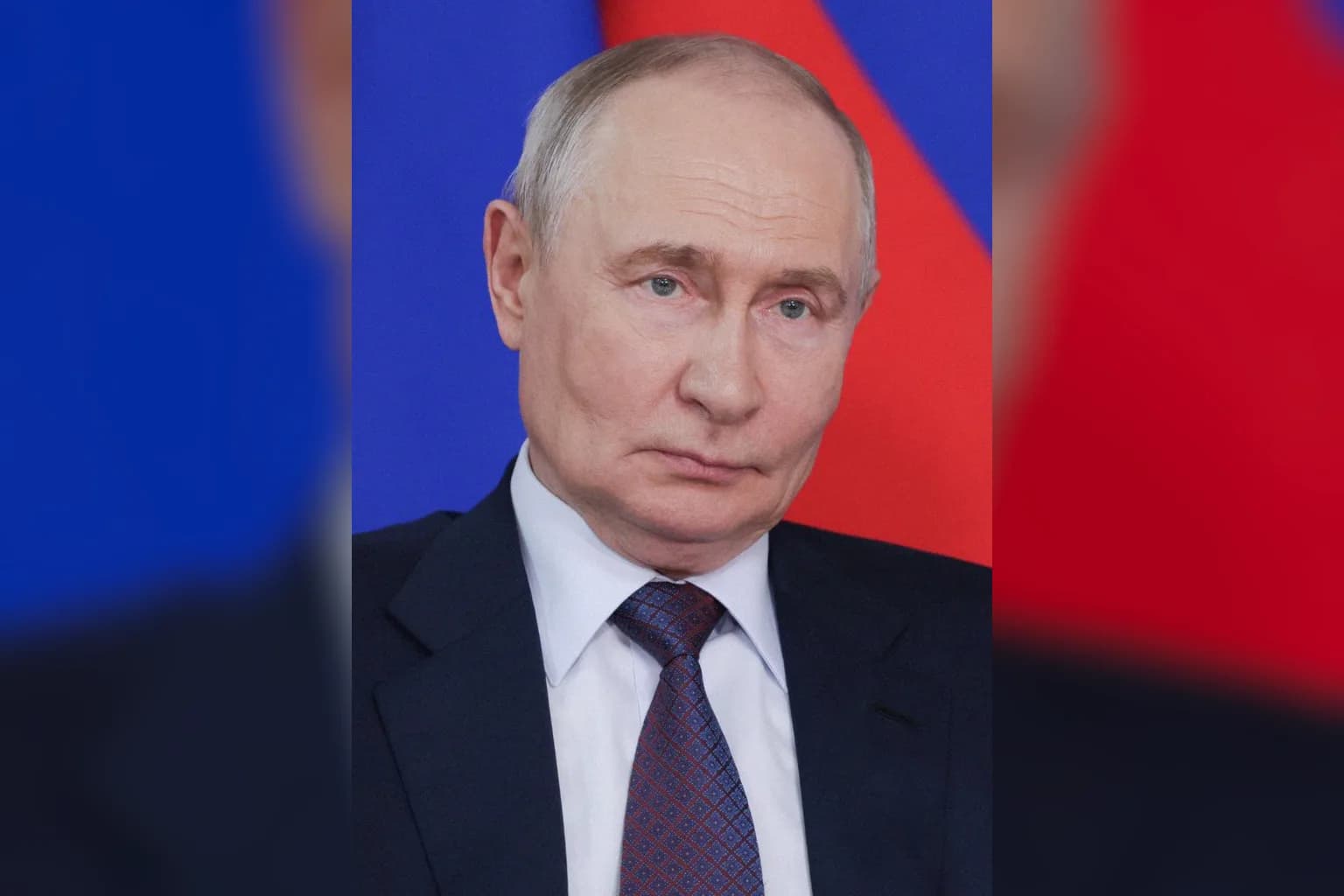
For Japan Tobacco International’s around 4,000 employees in Russia, Vladimir Putin’s decree shifts effective control of their company’s Russian assets from its foreign owner to the Russian state through external management.
Putin has described asset seizures as a symmetrical response to Western sanctions and the freezing of Russian state assets. On 1 October, he said the mechanism allowed Russia to prepare retaliatory measures against possible future nationalisation of Russian assets abroad, while keeping open the prospect of restoring control to former owners if “conditions improved”.
On Thursday, Putin signed a presidential decree placing JTI’s Russian assets under “temporary management”. The decree names Industrial Assets as manager of four JTI corporate entities in Russia.
Industrial Assets is owned by Sergei Dremov, a former Kursk region officer in the FSB security service.
JTI entered Russia in 1999 and built an operation spanning plants in St Petersburg, Leningrad Oblast, Lipetsk Oblast and Rostov-on-Don. It acquired the local producer Donskoi Tabak in 2018.
The company took the leading share of Russia’s tobacco market in 2007. By the time of the decree, it held up to 40% of the cigarette market, making it the country’s largest tobacco manufacturer.
Its Russian brands include Winston, Camel, Sobranie, LD, Glamour, Pyotr I, Russky Stil and Donskoi Tabak.
JT Group invested $4.6 billion in its Russian operations over more than 20 years, according to a company profile updated in November 2025.
After Russia’s full-scale invasion of Ukraine in 2022, JTI remained in the country while suspending new investment in Russian production and marketing.
The company said: “We are assessing the situation and our options, prioritizing our stakeholders, most notably our employees.”
The move is the first time that the assets of a major global tobacco maker have been placed under the control of a Russian company. External management appoints state-linked administrators without the foreign owner’s consent or compensation, leaving nominal ownership in place while transferring effective control to the Russian state.
JTI’s case follows asset seizures involving the German wholesaler Metro, French retailer Auchan, Swiss food group Nestlé and the logistics operator FM Logistic.
It also comes after the FSB arrested Yuki Imai, a Japanese journalist for the Hokkaido Shimbun newspaper, in October on accusations of espionage. The newspaper and the Japanese government deny those accusations.
Russia’s Foreign Ministry has accused Tokyo of systematically using journalists to gather intelligence inside the country, an allegation Japan has rejected.
Japan has a long-standing dispute with Russia over the Chishima Islands in the Pacific Ocean. It has also joined some Western sanctions over the continuing war in Ukraine.

Comments (0)