
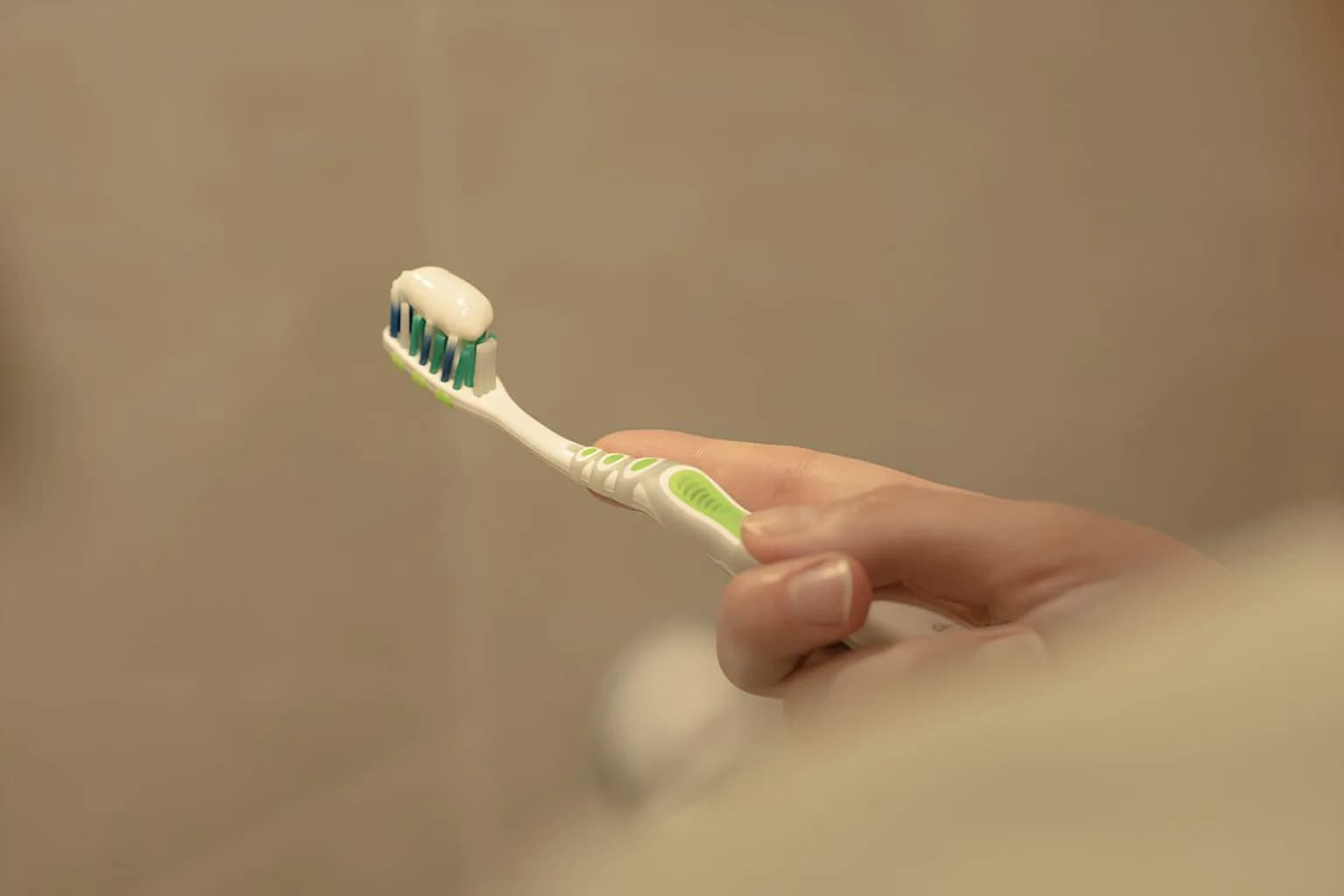
For people affected by tooth decay and gum disease, a battery-less toothbrush may offer a stronger daily defence against plaque, inflammation and bleeding: in a three-month trial, users of the new brush recorded more than twice the reduction seen with conventional toothbrushes.
Researchers at Peking University in Beijing, led by Zhang Xuehui, developed the brush after focusing on the bacteria that can remain deep within plaque and between teeth even after thorough brushing, where colonies can grow back within hours. Zhang is the corresponding author of the study and director of the Dental Materials Laboratory at Peking University School and Hospital of Stomatology.
The team made the bristles from polyvinylidene fluoride, or PVDF, a material that produces a mild electrical current when the bristles bend during brushing. Those tiny currents catalyse reactive oxygen species, which disrupt bacteria in the mouth.
The researchers tested the brush against bacteria associated with cavities and gum disease. In laboratory work, its electrified bristles killed more than half of Streptococcus mutans, compared with 9% killed by nylon bristles. They reduced Porphyromonas gingivalis by up to 78%, while nylon brushes reduced the bacteria by less than 8%.
Laboratory testing on cow tooth enamel found that the self-charging bristles achieved cleaning efficiency of over 99 per cent. When the team added an antioxidant that neutralises reactive oxygen species, the brush’s antibacterial effect largely disappeared, supporting the proposed mechanism.
The clinical trial enrolled 115 volunteers with conditions including periodontitis or dental caries. Half were assigned a regular nylon toothbrush and half the new brush, and participants used their assigned brush twice daily for three months.
At the end of that period, plaque, gingival inflammation and gingival bleeding had all fallen significantly among people using the new brush. No volunteer reported pain, numbness or electric shocks.
Oral diseases such as tooth decay affect nearly half the global population. Plaque bacteria can produce acids that cause cavities and irritate gums, sometimes leading to tooth loss.
Other designers have used electric currents in ionic toothbrushes to help loosen plaque, though those devices depend on batteries. Nicholas Jakubovics, a professor at Newcastle University School of Dental Sciences in the UK, called the study “truly innovative because the mechanical force essentially recharges the surface”.
The findings were published in Science Advances on 4 November 2026. The work could amount to the manual toothbrush’s first radical redesign in more than 1,000 years.





Comments (0)