
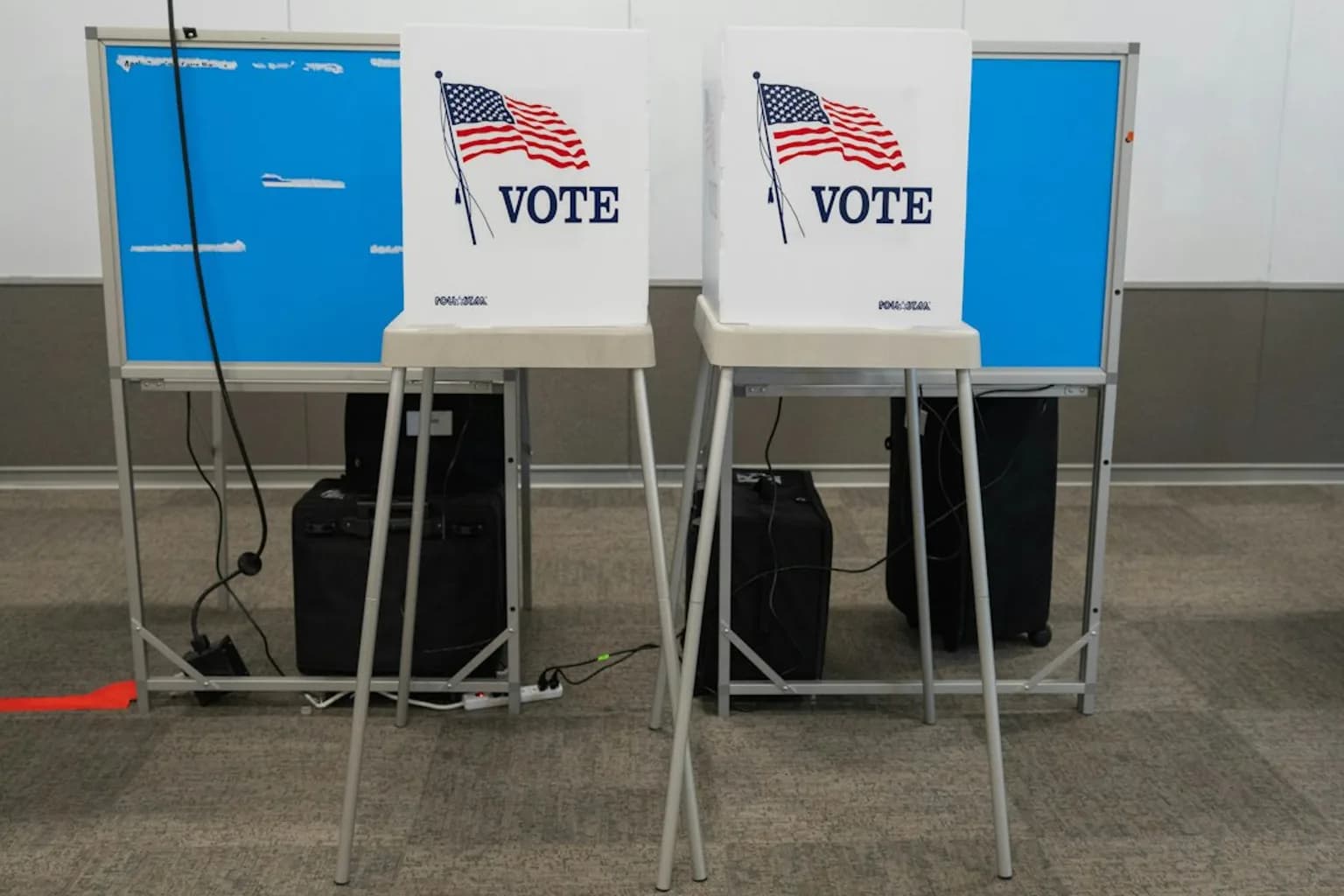
For older adults in this Wisconsin study, voting in the 2008 and 2012 US presidential elections was associated with a lower risk of premature death through 2023.
Researchers cannot determine whether voting itself made participants live longer. Dr. Femida Handy, the lead researcher and a professor of social policy at the University of Pennsylvania, said the study “cannot prove that voting led participants to live longer.”
The research followed people who graduated from Wisconsin high schools in 1957, drawing its most comprehensive results from health and objective voting data for about 4,200 older adults. By 2023, participants were 84 years old on average.
Researchers matched verified voting records from Catalist, a national voter-file database, with the National Death Index to examine survival over 15 years. The study, published in March in The Journals of Gerontology: Series B, examined participation in the 2004, 2008 and 2012 presidential elections.
Voting in 2004 was not associated with either lower or higher odds of early death. For participants who were around 69 in the 2008 election, voting that year was linked to a roughly 26% lower risk of premature death by 2023.
The difference was largest in the earlier years after the 2008 election. Voters were 45% less likely than nonvoters to die within five years, 37% less likely within 10 years and 29% less likely within 15 years.
Voting in 2012 was associated with a roughly 32% lower risk of premature death by 2023.
People with lower early-death risk were also more likely to be women and younger, and to have greater financial and health resources. Yet the findings generally held across political affiliation, financial resources and measures including smoking, alcohol consumption, functional limitations, vision, hearing, speech, pain, emotional well-being and memory.
The association also appeared among people who began in poorer health, who saw a greater benefit from voting over 15 years than participants who had been healthier before casting a ballot.
How people voted made little difference in the longer-term result. Those voting in person and those mailing ballots had about an equally lower risk of death over 15 years, while the five-year risk was 46% lower for in-person voters and 42% lower for remote voters.
Sara Konrath, a co-researcher, associate professor of philanthropic studies at Indiana University and social psychologist, said “it did not matter whether a voter's preferred candidate won”. People “experienced similar long-term health benefits of voting regardless of their political affiliation,” she said.
Handy said voting “raises the possibility that it provides some certain psychological benefits.” She said it “provides psychological benefits through the satisfaction of fulfilling a civic duty and contributing to the public good” and “activates psychological and neurophysiological processes related to reward, stress reduction, and well-being.”
She also told CNN that voting is not “a magic pill that's going to make life longer,” though it may provide “psychological benefits” through civic participation.





Comments (0)