
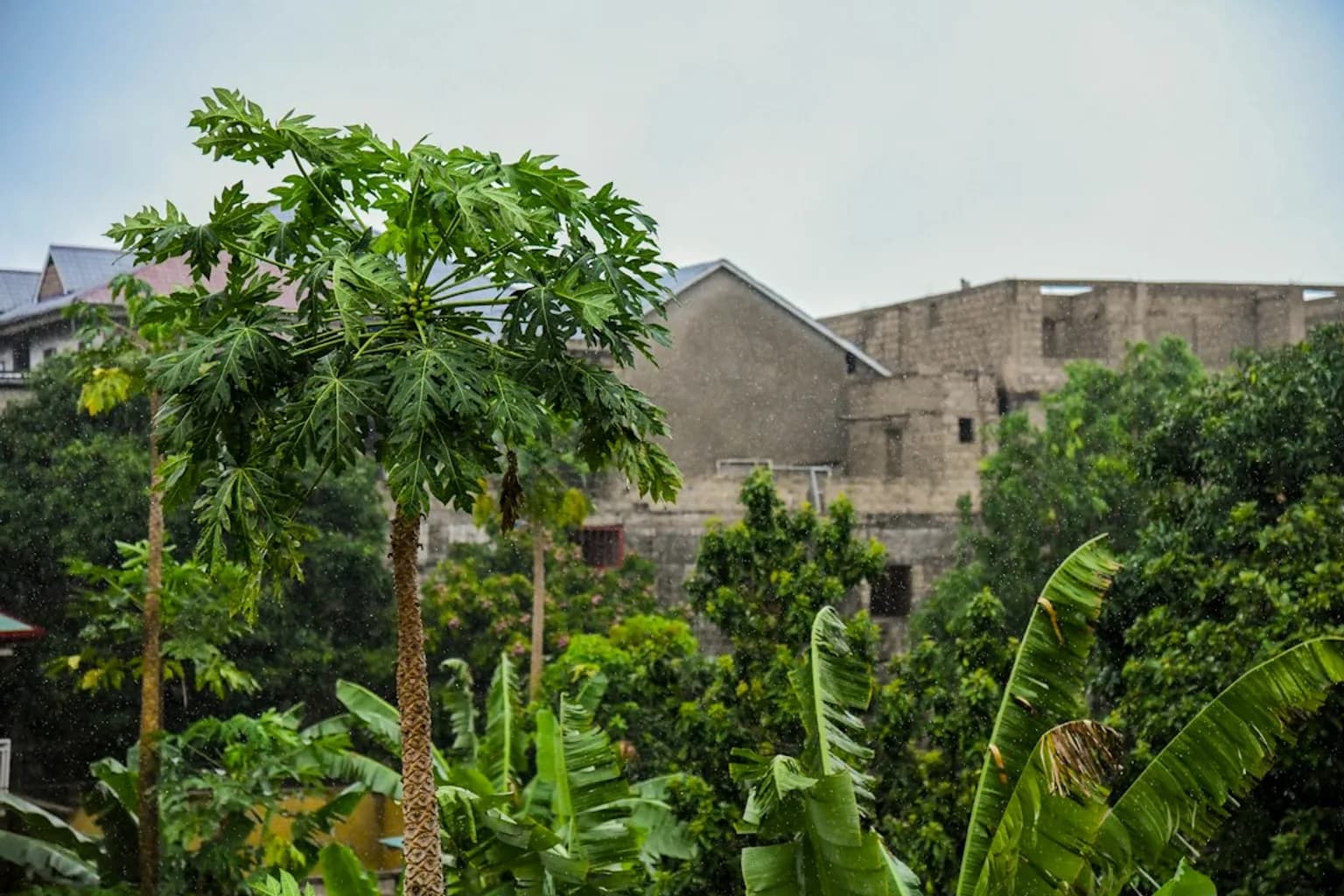
“Science gives us hope. Today, in Bunia, DRC, the first participants were vaccinated in a new Ebola vaccine trial called Tumaini, which means 'hope' in Swahili,” the World Health Organization Director-General Tedros Adhanom Ghebreyesus said.
The first vaccinations took place on 23 October in Bunia, the capital of the Democratic Republic of the Congo's northeastern Ituri province and the epicentre of the outbreak. WHO announced the start of the trial, while Tedros set out the news in a statement posted to his official X account on Friday.
The outbreak was declared in the DRC on 15 May. WHO later declared a Public Health Emergency of International Concern. By 21 October, the country had confirmed 9,552 cases and 4,602 deaths.
Tumaini is a Phase II/III clinical trial intended to establish the safety, immune response and effectiveness of potential vaccines. Its immediate question is whether Ervebo, which is approved to prevent Ebola virus disease caused by the Zaire species, can also protect people against the Bundibugyo strain.
Bundibugyo is one of the viruses that cause Ebola virus disease, though it is a different species from Zaire ebolavirus. No vaccine has been approved for Bundibugyo.
The trial will eventually assess vaccine candidates designed for Bundibugyo, including one being developed by Moderna and another by the University of Oxford in collaboration with the Serum Institute of India. The Oxford candidate is a ChAdOx1 adenoviral vector vaccine, while Moderna's candidate is an mRNA vaccine.
Researchers will use ring vaccination, focusing on contacts of confirmed cases and other people at high risk of infection. The trial's adaptive platform design allows multiple vaccine candidates to be assessed within a single clinical-trial framework.
The Institut National de Recherche Biomédicale in the DRC and the University of Antwerp's Global Health Institute are co-leading and co-sponsoring the study. The Congolese Ministry of Health is providing national leadership and oversight.
The DRC has received an initial 70,000 doses of Ervebo. Of those, 20,000 are intended for a clinical trial and 50,000 for frontline and health workers. CEPI has committed $4.17 million to research on whether existing Ebola vaccines can generate immune responses against the Bundibugyo virus.
Comments (0)