
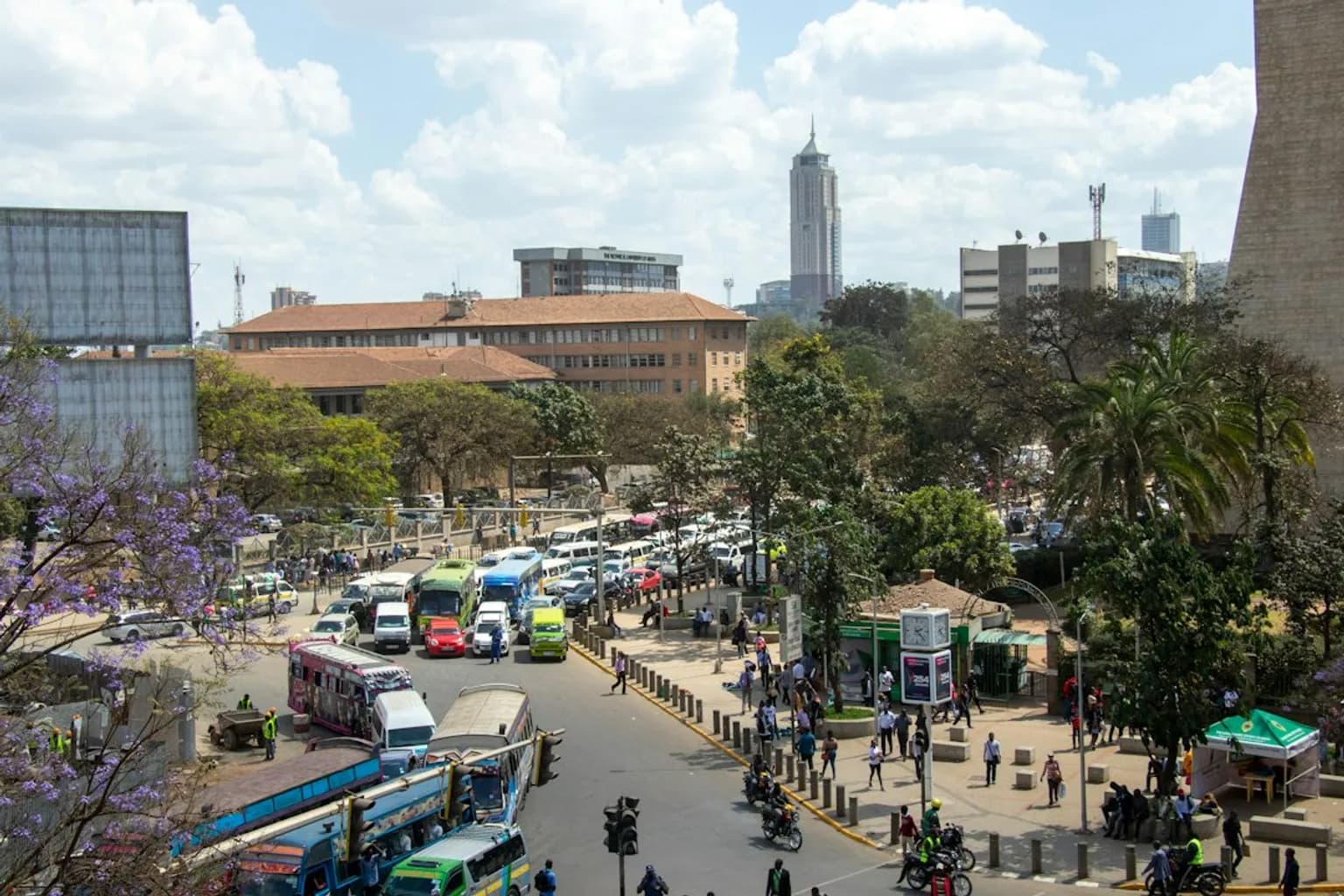
A 40-year-old Kenyan man flew to Nairobi on October 3 after being ill in the Democratic Republic of Congo for about a month. Healthcare workers treated him at a Kenyan medical facility on October 3 and 4. He died on October 5.
Kenya confirmed its first recorded Ebola case on October 6, 2026. A 65-year-old female close contact of the man later tested positive and is receiving treatment.
On October 17, Kenya confirmed four further cases of Ebola Bundibugyo virus, taking its total number of confirmed infections to seven. The new cases are the first known infections passed on inside Kenya.
Three of the newly diagnosed patients are healthcare workers aged 29, 35 and 32 who managed the first patient on October 3 and 4. They had been in quarantine since October 9. The fourth is a male relative of the first patient, who had been quarantined since October 6.
Advertisement
All four were already in quarantine when they developed symptoms and tested positive. Kenya’s Ministry of Health announced the diagnoses on October 17.
The ministry has identified 130 people who had contact with the first patient and placed 128, or 98.5 percent, in quarantine. The global benchmark for quarantining contacts to break a transmission chain is 85 percent.
The ministry said there was no evidence of spread in the community and that the risk to the general public remained low. Kenya has strengthened screening and set up an emergency hotline for people who suspect exposure to Ebola or develop symptoms.
The Bundibugyo strain has no approved vaccines or treatments. Research into vaccines is under way, and some candidates are already in early testing in humans.
The Democratic Republic of Congo has recorded more than 9,000 cases and more than 4,300 deaths since its outbreak was officially detected in May.
Advertisement



Comments (0)