
Some local Department of Homeland Security offices had posted photographs of agents knocking on the doors of suspects as the department prepared pre-election field operations in nine states.
Then a US Citizenship and Immigration Services whistleblower disclosed that rushed data-matching had produced a list of potential noncitizens on voter rolls that included US citizens.
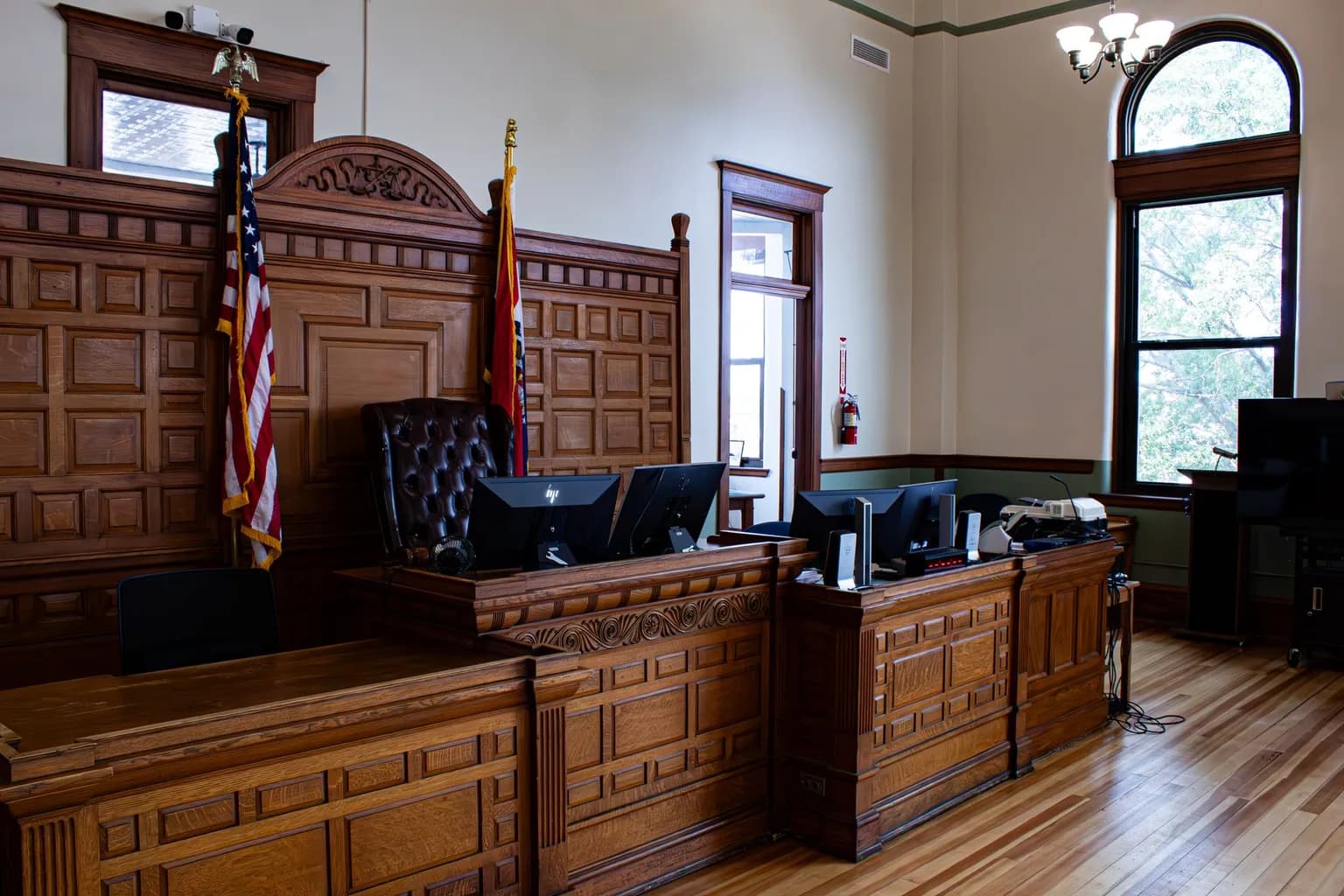
On late Wednesday, US District Judge Araceli Martínez-Olguín, an appointee of President Joe Biden, issued a 19-page order blocking most of the planned operations, which were intended to find noncitizens who had illegally voted.
The planned operations covered California, Connecticut, Georgia, Missouri, Nevada, New York, Pennsylvania, Washington and Wisconsin.
The legal issue before the court was whether the government could proceed with field interviews when its underlying list could identify citizens as potential noncitizens. Martínez-Olguín concluded that the government was using “flawed” data and that the effort was likely to violate the Voting Rights Act, which prohibits voter intimidation.
Her order bars Department of Homeland Security officers in those states from conducting field operations directed at people they “know, suspect, or should reasonably know or suspect are U.S. citizens.” It also bars operations based “wholly” on US Citizenship and Immigration Services matching data without further investigation.
The judge called the department’s initial target list voluminous and unreliable. She noted the department’s acknowledgement that similar names, incomplete records and outdated citizenship information could produce mistakes.
Nicolas Bartell, a US Citizenship and Immigration Services official, acknowledged the “low possibility” that citizens could be “erroneously identified as potential aliens” in federal records.
Agents had been expected to review at least 40 suspected cases, with no more than 12 minutes to exclude each person through commercial databases.
Los Angeles County election officials conducted a preliminary review of a sample from the 20,000-ballot list. They found that many registrations had been cancelled or were inactive, or had no voting history, while some concerned people who said they were born in the US.
The case was brought by a coalition including San Francisco and Santa Clara counties, the city of San Francisco, nursing unions and Voto Latino Foundation. Protect Democracy and the National Immigration Law Center are litigating the case against the Department of Homeland Security and the Department of Justice.
A court filing from the California Nurses Association and National Nurses United said some naturalised citizen members no longer wanted to attend political rallies, volunteer as election poll workers or vote in person because of the operations.
Martínez-Olguín wrote that there is “an objectively reasonable fear of law enforcement entanglements that intimidates citizens from urging or aiding others in exercising their right to vote.”
Benjamin Farley, supervisory counsel for democracy defense at the National Immigration Law Center, called the decision “a clear rebuke of the government's efforts to scare voters away from the polls this November.”
The Department of Justice has separately announced charges against 28 green card holders accused of illegally voting or registering to vote. It is also suing California and demanding that the state segregate 20,000 ballots from people federal officials believe are “likely” noncitizens.
The Department of Homeland Security said: “We have no plans to question or investigate people we believe to be US citizens.”
State reviews and audits have consistently found voting by noncitizens to be extremely rare. There is no evidence that noncitizen voters have influenced the result of an election at any level in the country.
The order is due to take effect on Friday and remain in force through election night. The federal government may appeal.
Comments (0)