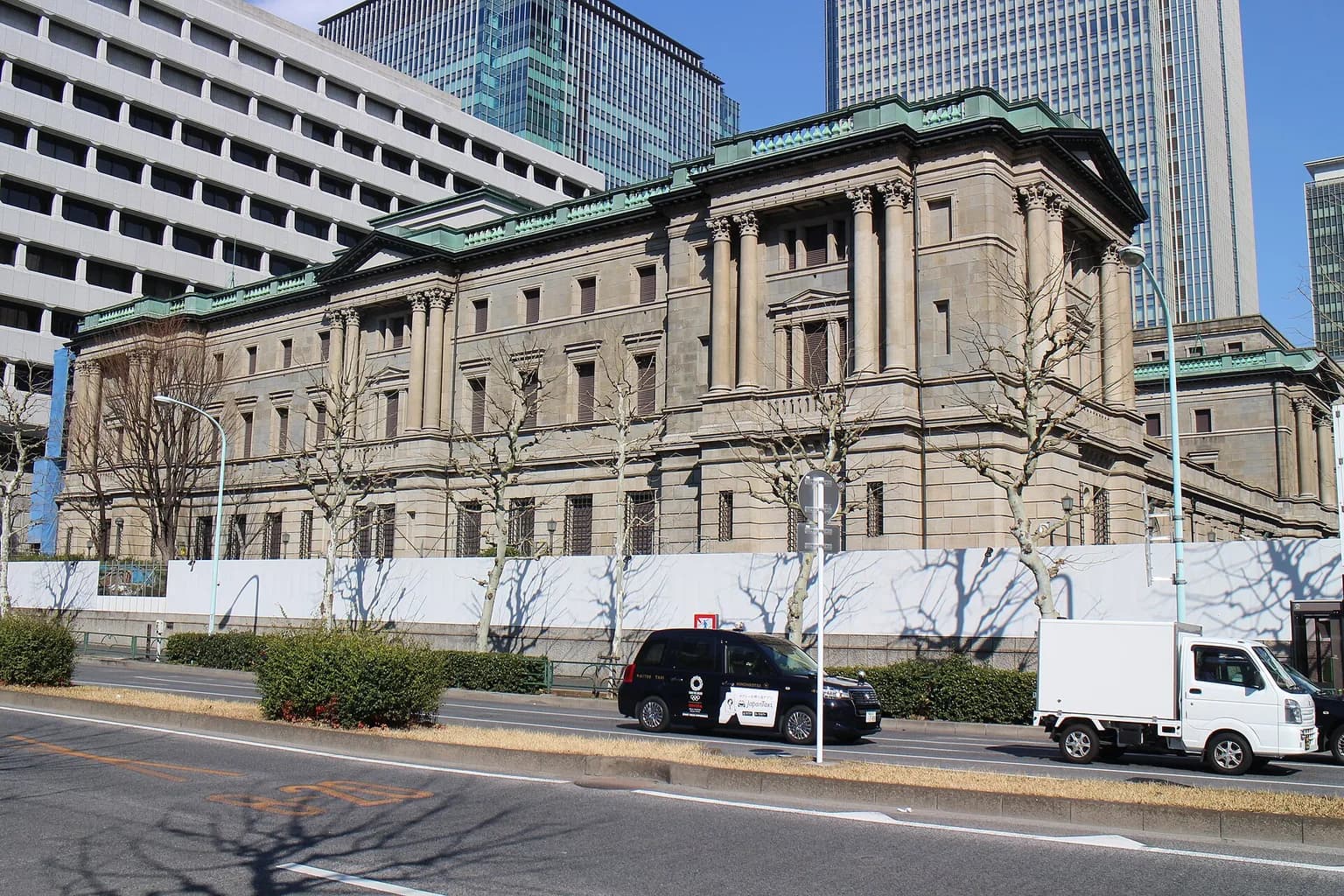
Bank of Japan raises rates to a 31-year high as wholesale prices climb 6.8%
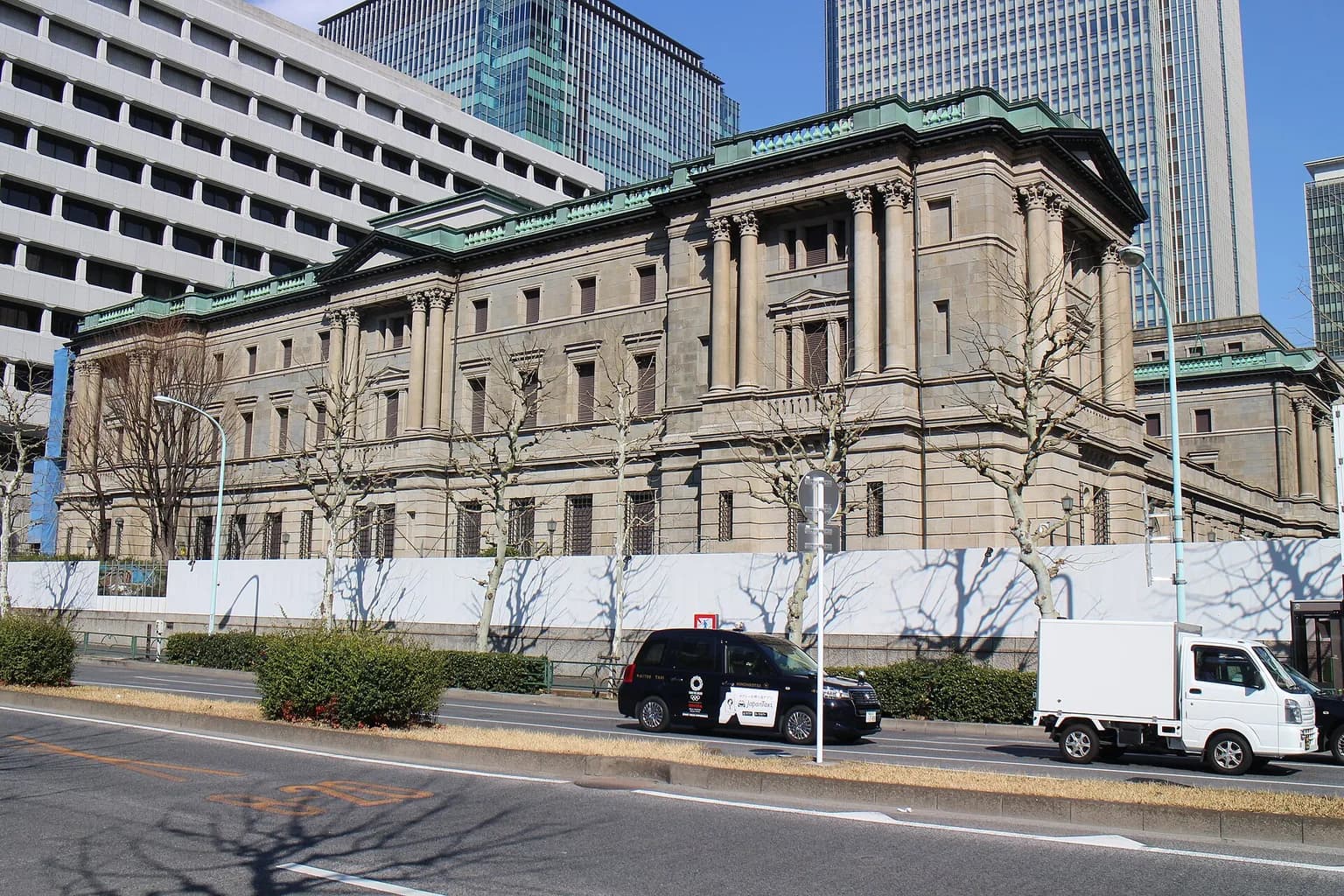
The central bank lifted its benchmark rate to 1.25%, the fastest move in its tightening cycle. Markets are increasingly pricing in another increase before year-end.
Daniel Osei takes the contrarian read on markets — the number everyone cites, and why it might mean the opposite. Sceptical by temperament, rigorous with the data, happiest puncturing a consensus.
The central bank lifted its benchmark rate to 1.25%, the fastest move in its tightening cycle. Markets are increasingly pricing in another increase before year-end.

The kingdom plans upgrades to the East-West pipeline and a temporary switch of a gas line to carry crude. Drone strikes and Houthi attacks on shipping have pushed Saudi Arabia to build more resilient export routes.

All 12 committee members voted to lift the benchmark rate by 0.25 percentage points. Whether the Fed moves again in September depends on the August jobs and inflation reports, due days before the meeting.

The Strategic Petroleum Reserve has fallen 31% since the start of the year and now sits at its lowest level in more than four decades. Energy Secretary Chris Wright has said he wants up to $20 billion to refill it.

The moratorium would target semi-finished nickel products, which make up 50 to 60 per cent of Indonesia's output. Chinese investment accounts for about 75 per cent of the country's nickel refining industry and has contributed to the oversupply.

The current estimate stands at 29.6%, but actual growth has beaten forecasts in 37 of the past 40 quarters. If the pattern holds, final growth could reach anywhere from 35.6% to 43.3%.

Local governments can now draw on existing borrowing room without seeking fresh approval from the national legislature. Around 40% of an estimated 1.4 trillion yuan in unused quota will be released, split between general budgets and infrastructure projects in Q4 2026.

Policymakers unanimously lifted the federal funds rate to 3.75%–4% on 16 September, reversing cuts made since 2024. Officials remain divided over whether further tightening will be needed. Mortgage rates have already climbed to 6.95%, their highest since January 2025.

The University of Michigan's sentiment index fell to 53.6 in early October, down 24 percent over the past year. The sharpest declines were among lower-income households, and the current conditions index hit a record low of 44.7.

Electricity prices jumped 7.42% in September after a one-off discount from the Itaipu hydroelectric plant faded, pushing the 12-month consumer price index to the top of the central bank's target band. The timing hands Flávio Bolsonaro fresh ammunition, as the cost of living has been his sharpest line of attack against President Lula.

Alberto Musalem said persistent demand and supply shocks have kept inflation too high for too long. Traders still expect the Fed to hold rates steady in October, but see nearly 70% odds of another increase in December.

The average five-year fixed rate has reached 5.95%, its highest since October 2023. Up to 700,000 households whose deals expire by end of 2026 could see their annual mortgage bill rise by as much as £5,000.

The debt milestone arrived four years ahead of pre-pandemic forecasts. Interest payments hit a record $1.1 trillion for the year, and the Congressional Budget Office's February projection of $39.4 trillion was made before the US went to war with Iran.

Nine attacks were recorded in a single week, the highest since the closure began in February — though Reuters sources put the toll at 12. Tanker movements are 98% below pre-war levels and diplomacy has so far produced nothing.

At least 16.5 million barrels a day left the region in September, matching pre-war averages. Producers have rerouted 40% of Gulf exports away from the strait — double the pre-war share — through pipelines, offshore loading and Red Sea routes.

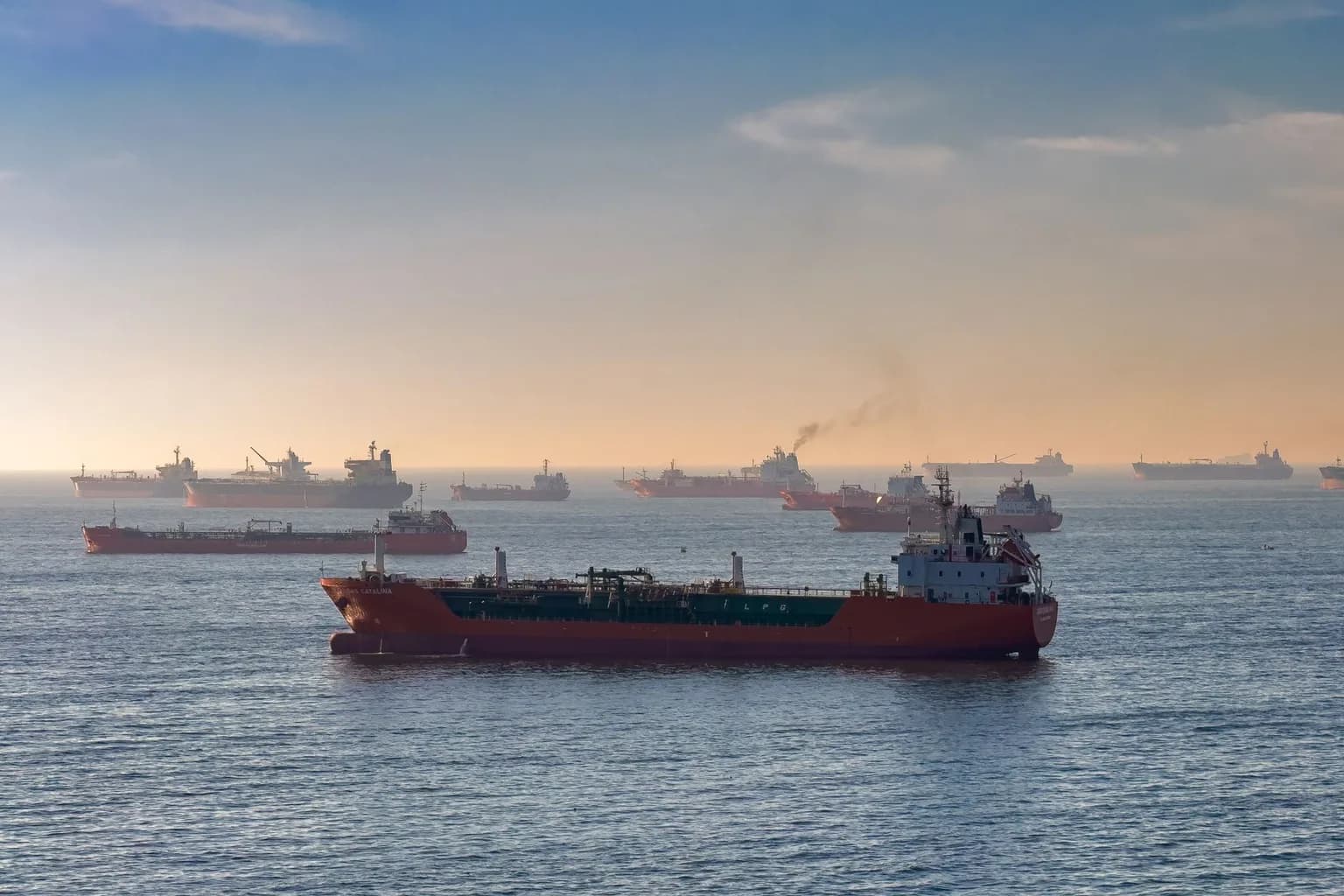
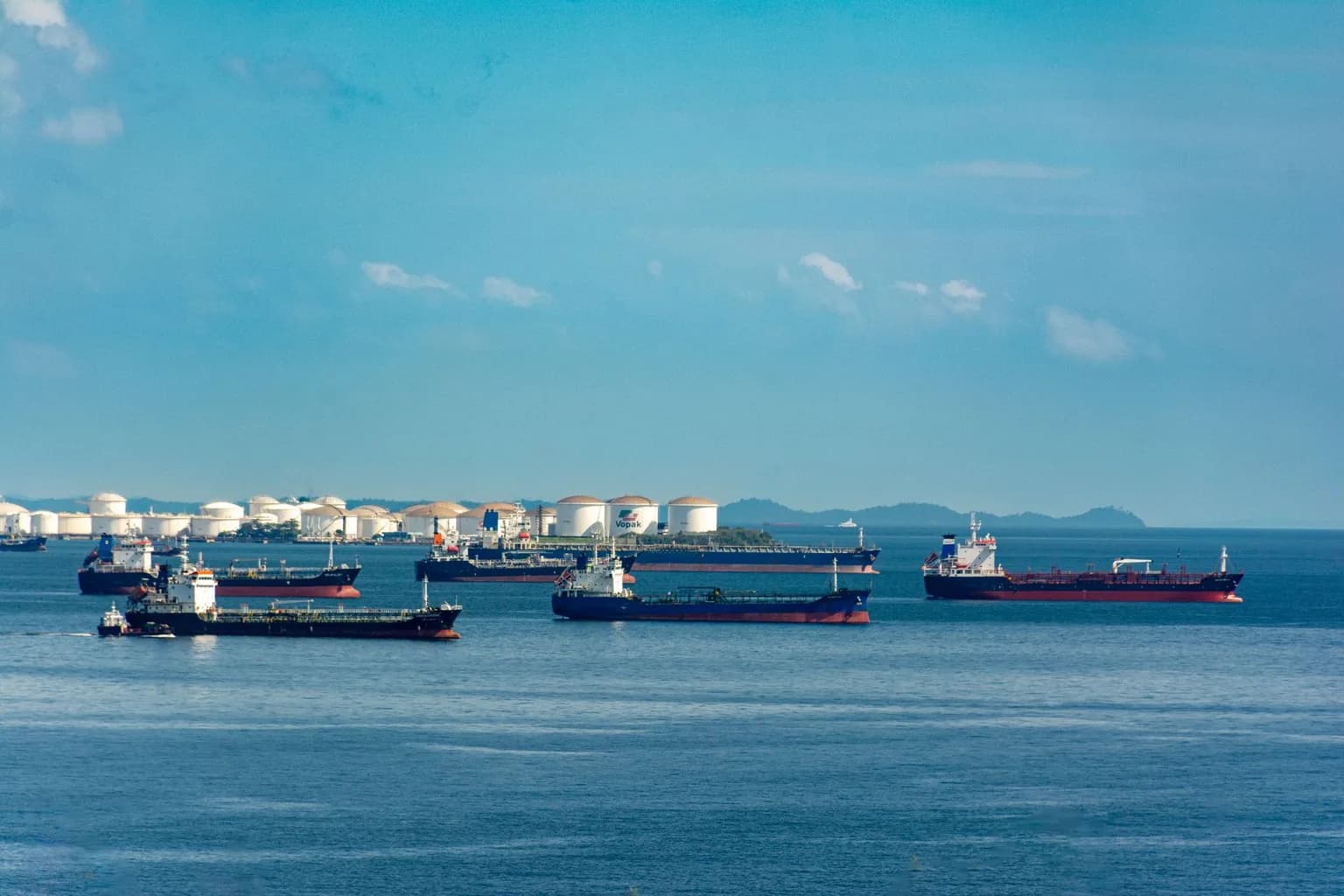
The Strait of Hormuz, which once handled around 20 million barrels a day, saw just four commodity vessels cross it on Monday. Tanker shuttles, ship-to-ship transfers and overland pipelines are filling the gap, but global inventories have fallen sharply and diesel prices have hit record levels.

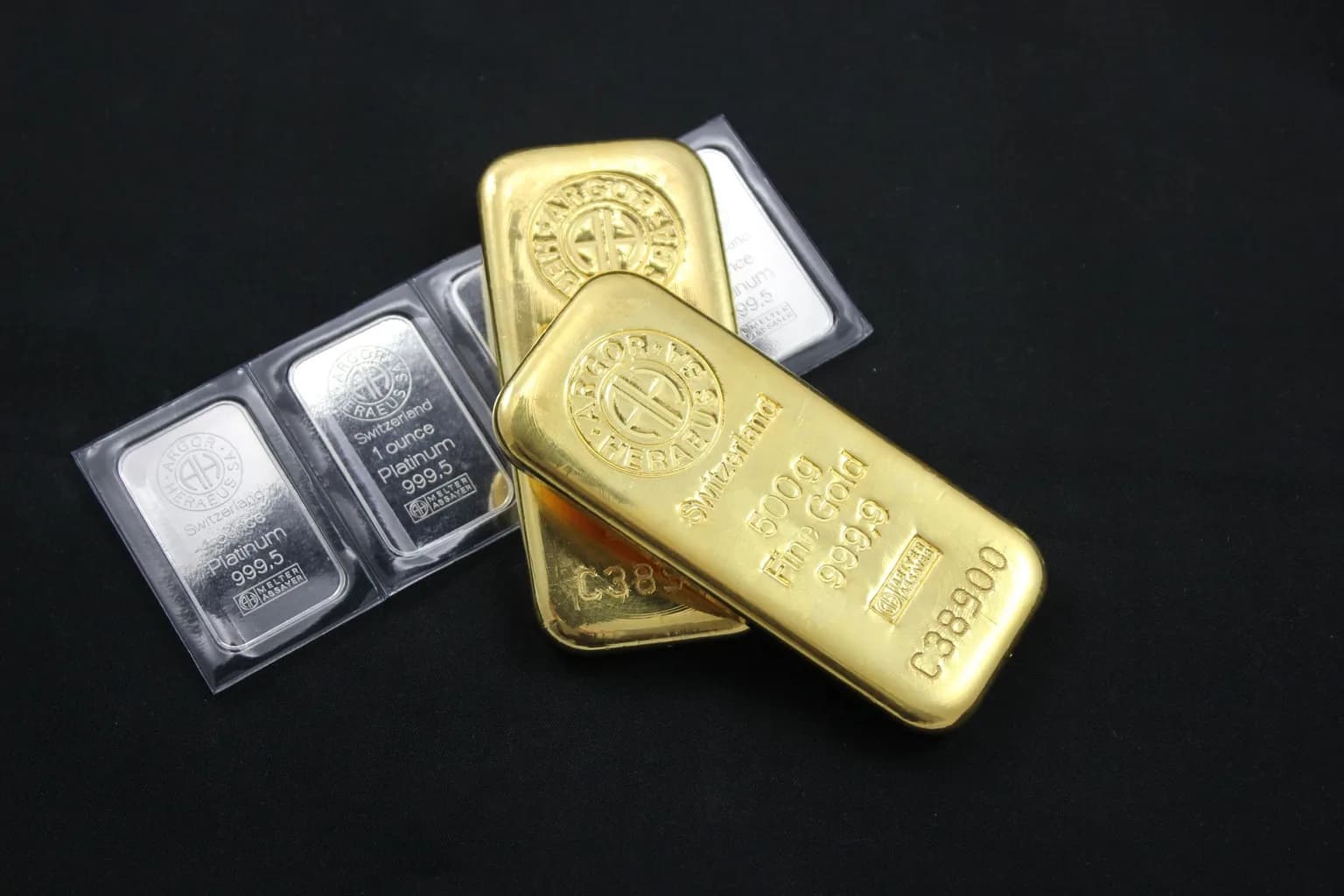
Indonesia has imposed an export tax of as much as 15% on gold. Across the region, countries are also expanding domestic refining and directing locally mined metal into national reserves, challenging the historic flow of supply to London and New York.

The US Energy Information Administration now expects Brent crude to average $105 per barrel in the fourth quarter of 2026. East Coast diesel stocks are running 32 percent below their seasonal average, and US retail diesel hit $6.29 a gallon in September.

At least 37 Saudi sites were hit between July and September, with drones temporarily disrupting a pipeline carrying 4–5% of global crude supply. The Houthis have also declared a maritime embargo, striking ten ships and tightening their grip on the Red Sea coast.

Russell Hardy says the real crisis is transport, not supply. Around 15 percent of the world's largest tankers are tied up in Hormuz shuttle work, leaving buyers unable to secure ships even when oil is available.

The record of the Federal Reserve's September meeting is due Wednesday. It captures a discussion held before weaker payroll data emerged — and may reveal how many more rate rises officials thought they needed.

The gap between French and German 10-year borrowing costs reached 152 basis points on 2 October, a level not seen since the eurozone debt crisis. A €43 billion savings package from the government did little to calm investors already unnerved by political deadlock and a presidential election on the horizon.

The IEA will roll out the oil and diesel over four months, with diesel frontloaded in the first 20 days. The move follows a 400 million barrel release in March, a third of which had still not reached the market when the new deal was struck.
The signal would strengthen the case for another rate rise in the coming months. Japan's main interest rate is already at a 31-year high after six increases since 2024, and markets are pricing in a further move in December.

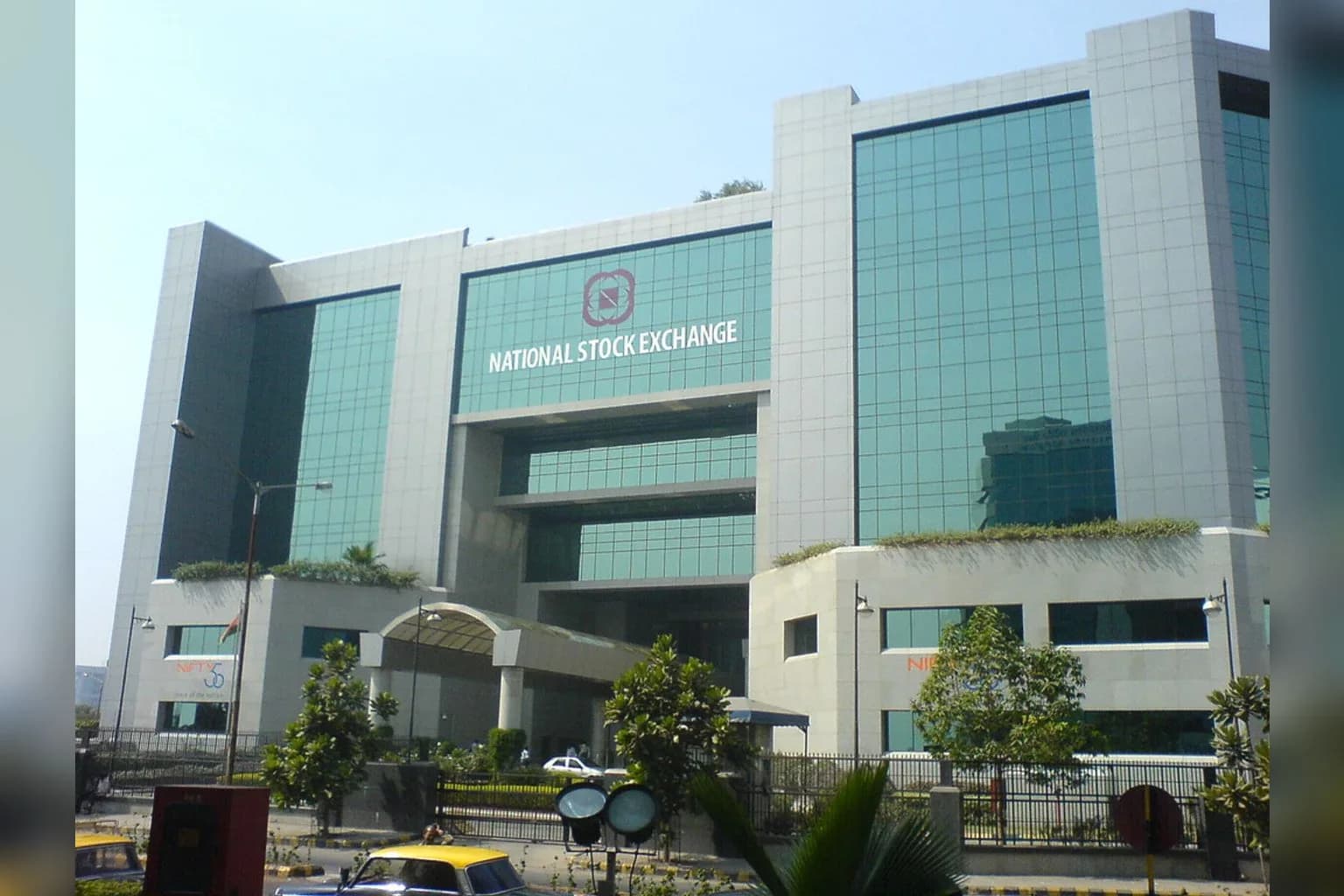
SEBI chairman Tuhin Kanta Pandey said the priority is reducing the upfront capital traders must set aside. His own regulator's data shows the overwhelming majority of retail investors are still losing money in short-term options.

Moscow paid refiners almost 916 billion rubles in fuel subsidies this year after banning most exports and importing more to keep domestic supplies stable. Oil revenues fell more than 60% from the previous month in August, pushing the federal deficit to 2.8% of GDP, well above its 1.6% target.

Their market share dropped to 49% in the first half of 2026, down from 73% in 2021. Electric vehicles took 17% of the market, with sales in Europe overtaking gasoline cars for the first time.

Funds have amassed roughly $4.0 trillion in gross Treasury exposure, financed by $3.0 trillion in repo borrowing. The basis trade at the heart of it runs at up to 70 times leverage, capturing spreads of just a few basis points.

The gap between French and German borrowing costs is now the widest since the 2011–2012 European debt crisis. France enters the turbulence with debt at 119% of GDP and interest costs set to rise from 62.6 billion euros this year to 91.2 billion euros next year.

Brent crude fell by roughly 3% on Friday as markets anticipated the additional supply. Analysts warn that Gulf supply pressures are likely to limit how long the relief lasts.

Payroll growth has slowed sharply, with hiring in July now revised into negative territory. The unemployment rate held at 4.2 percent, but the report leaves open whether the weakness is temporary or something more persistent.

The agency has not set out when or how any release would happen, or what volumes might be involved. Europe's winter outlook is described as tough, though no detail is given on where pressures are expected to fall hardest.

The German board member leaves after seven years, becoming the third consecutive German ECB executive to depart before completing a term. No German has finished a full mandate at the bank since 2006.

The Yemen-based group says it is acting in solidarity with Palestinians in Gaza. Greek-owned vessels account for nearly a third of those targeted, and the US has led airstrikes against the Houthis since January.

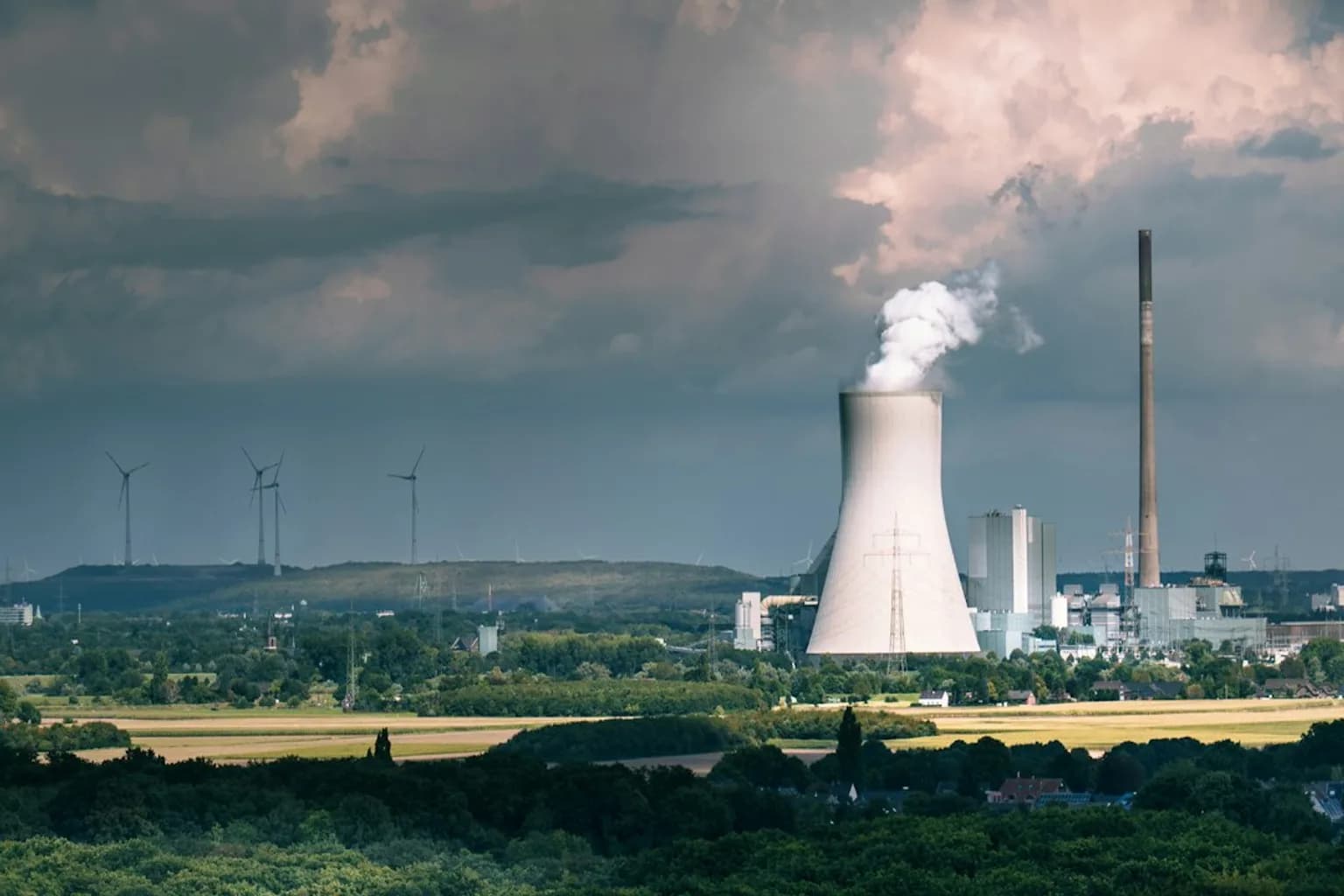
Gas prices have hit a three-year high after the Iran-US war choked LNG shipments through the Strait of Hormuz. Coal output across Europe is expected to rise by about a quarter over the next six months, with Germany set to run its remaining coal fleet close to full capacity.

Interest payments on advanced-economy bonds topped $3.3 trillion last year, outstripping global spending on each of those categories separately. The OECD says yields are at their highest in 15 years, and the IMF warns debt is climbing "like a staircase not to heaven".

Ship-to-ship transfers in the Gulf of Oman have risen to around 2.5 million barrels a day in September, up from 1.4 million in August. But drone strikes on Saudi Arabia's East-West pipeline and Houthi control of Red Sea approaches have left the shuttle system with fewer fallback options.

The mobile money arm of Bharti Airtel had been seeking between $1.5 billion and $2 billion. It is now targeting a valuation of $8 billion to $9 billion, with a prospectus expected in early October.

The exchange, which handles nearly 90% of global stock index options volumes, has set its share price range lower than investors were told to expect. Options trading on its platform has fallen 27% from its 2024 peak, and several major sellers have cut the size of their stakes in the deal.

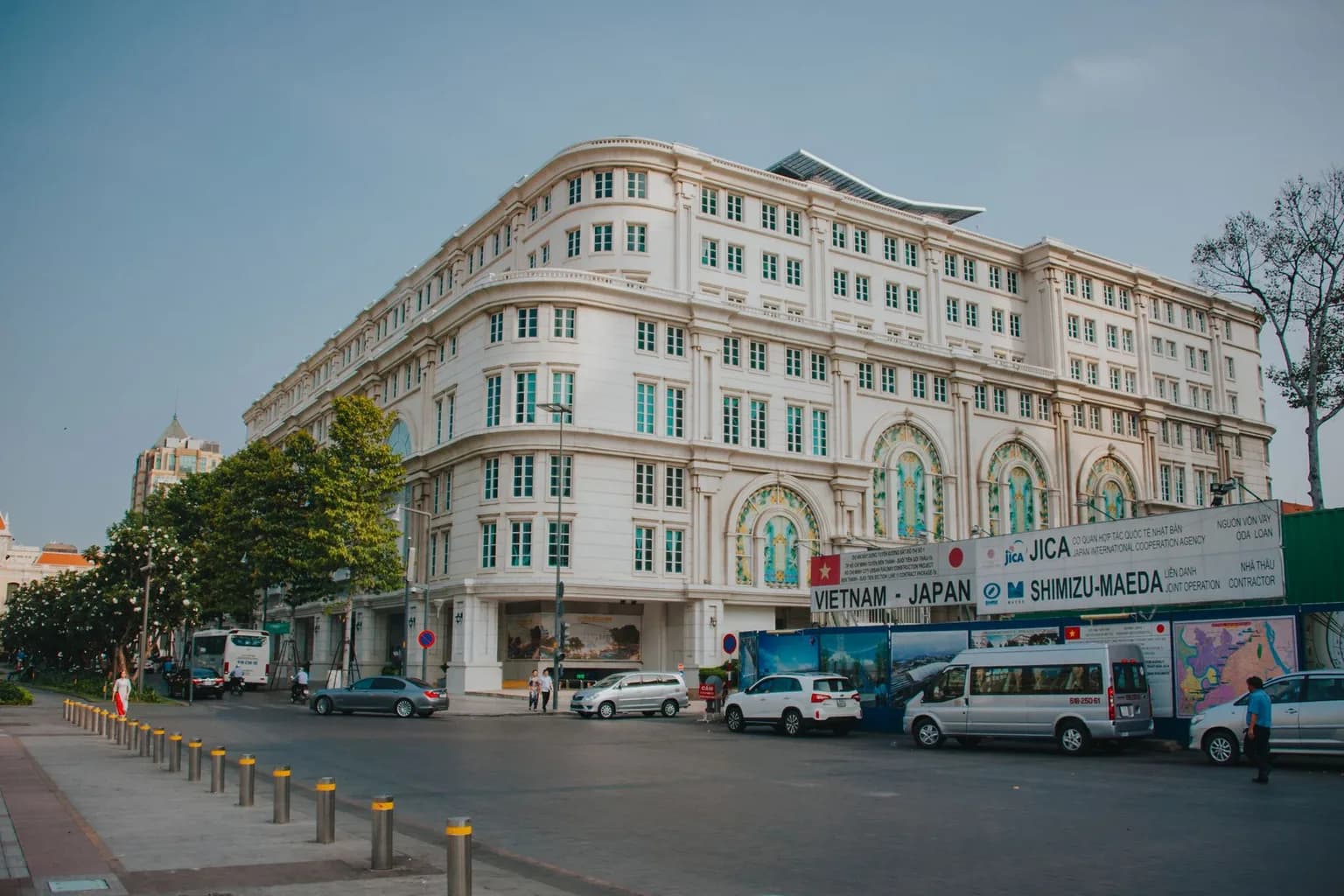
FTSE Russell formally upgraded Vietnam from frontier status, a move that could bring up to $8 billion in foreign investment over 12 months. The gains will arrive slowly: inclusion runs in four tranches through 2027, and analysts say much of the early buying had already happened before Monday's effective date.

The Pontes service connects DLT trading platforms to the ECB's existing TARGET payment system, letting banks settle digital assets in ECB-backed euros rather than stablecoins. Thirteen institutions including Deutsche Bank and Santander were live at launch, with round-the-clock operation planned by mid-2028.

Jane Street's loss came as AI and semiconductor stocks reversed sharply — its first negative month since 2016. Regulators want to know how bank lending to large nonbank traders holds up when correlated positions fall fast.

The Minneapolis Fed president spoke days after the Federal Open Market Committee raised its benchmark rate to 3.75%–4.00%, the first increase since July 2023. Sixteen of 18 committee members expect at least one more rise, and the Fed has pushed back its target for 2% inflation to 2029.

Treasury Secretary Scott Bessent and trade representative Jamieson Greer sat down with He Lifeng at JPMorgan's Manhattan headquarters on Sunday. Both sides described the talks as groundwork for a planned Washington summit between President Trump and Xi Jinping later this week.

Both sides described the weekend discussions as progress, though neither released details. Research shows that better US-China relations tend to lift oil prices gradually by raising expectations of stronger demand — a different dynamic from the sharper spikes driven by supply fears.

Bank of America, JPMorgan and Goldman Sachs all forecast bill issuance on a trillion-dollar scale over the next year. The shift leaves Washington more exposed to refinancing risk — and comes as foreign investors have been pulling back from short-term US debt.

Beijing's stake fell to $618 billion in July, the lowest recorded since August 2008. Central banks and government bodies drove nearly all of a $72 billion monthly fall in overall foreign holdings in June, even as total foreign demand has edged up over the past year.

Of 907 supertankers worldwide, only 740 can move crude legally — and nearly 40% of those are more than 15 years old. New orders are rising but the current orderbook covers only about 17% of the global fleet, not enough to replace what is set to retire.

The Fed hiked its benchmark rate by a quarter point to 3.75%-4.00%, with policymakers signalling more increases could follow. President Trump called for rates of 1% or lower; Fed chair Kevin Warsh defended the bank's independence.

The expected move to 1.25% would be the first increase in three months, driven by oil approaching $100 a barrel and a yen that has slipped to 152 per dollar. Analysts polled by Reuters expect rates to keep climbing, reaching 1.75% by mid-2027.

The Fed's benchmark rate is now 3.75% to 4%, after a unanimous vote under chair Kevin Warsh. Inflation stands at 3.4%, well above the Fed's 2% target, and borrowing costs are expected to rise.

Commercial crude inventories fell 0.6 million barrels to 423.4 million in the week ending 11 September, even as imports rose to 7.1 million barrels a day. Gasoline and distillate stocks both increased, pushing total petroleum inventories up 2.6 million barrels.

Consumer prices rose 4.2% year-on-year in May, more than two points above the Fed's target. Trump criticised the move within hours, though he said he still has confidence in Fed Chair Kevin Warsh.

The bank called such a move 'very unlikely' as recently as last month. Hotter-than-expected August inflation data has since pushed market odds of a quarter-point hike to around 88%.

The yield touched 4.99% on Friday after inflation came in hotter than expected, driven by gasoline topping $4.29 a gallon nationally and oil above $100 a barrel. Markets now put the odds of a Fed rate rise next week at 86%.

The 1,200km East-West pipeline, which carries around 4 million barrels a day to the Red Sea, could be down for five to six weeks. Yanbu port has enough stocks to last only five to seven days, and crude has already climbed above $100 a barrel.

Supply shocks — from fighting near the Strait of Hormuz to Russia's export ban — have tightened global markets sharply. Businesses have mostly held back from passing the costs on, but economists say households will feel the effects before the year is out.
Oil prices have surged roughly $20 in a few weeks after tanker attacks by the US and Iran in the Gulf of Oman raised fears about the Strait of Hormuz, which carries about a fifth of the world's oil and gas supplies.
Fires at energy installations in four southern Saudi cities forced a temporary halt to operations, wounding 73 people including children. A Houthi spokesperson warned that a broader operation deep into Saudi Arabia was still to come.
Brent crude touched $98 a barrel and WTI neared $93 after the two sides traded strikes on tankers, warships and military targets over the weekend. Goldman Sachs says prices could reach $120 if attacks on shipping intensify.
Andrew Bailey, governor of the Bank of England and chair of the Financial Stability Board, warned G20 finance ministers that frontier AI could transform the speed and scale of attacks on financial systems. He singled out the small number of cloud and technology providers that much of the global system depends on as a critical vulnerability.
Investment and manufacturing drove the outperformance, putting growth 70 basis points above what economists expected. But the slowdown from 8.6% in the prior quarter is raising questions about whether the expansion is beginning to moderate.
The tariffs cover roughly $20 billion worth of Canadian goods, including dairy, wine and cement. Canada has promised dollar-for-dollar counter-tariffs on American steel, appliances and farm equipment, set to kick in on September 8.
The Federal Reserve chair arrived with a philosophy of 'more thinking, less talking' — and bond markets have revolted twice in three months. His Friday address at Jackson Hole is his first real chance to explain himself.
Core consumer prices rose 1.8% in July, accelerating for a second straight month. Wholesale inflation hit 7.2%, and Bank of Japan board members are pushing to move faster than the current pace of two hikes a year.
Brent crude closed at $90.87 a barrel on August 17, the day a 60-day negotiating window expired without a deal. Prices are now nearly 50% higher than at the start of the year, with US gasoline averaging $4.06 a gallon.
The near-closure of the Strait of Hormuz has caused the largest oil market disruption on record, sending Brent crude as high as $120 a barrel. The windfall is going into stockpiles, not new wells.
An SEC filing reveals Nvidia owns roughly 122.8 million SpaceX shares, acquired through its $10bn investment in Elon Musk's xAI. SpaceX has since pledged to use only Nvidia chips in its AI data centres.
Tehran is now demanding billions in compensation, a US troop withdrawal and an end to the naval blockade before the strait reopens. The conditions caught markets off guard after American stocks just had their best week since April.
Tehran hit what it called hostile targets in the waterway that carries a fifth of the world's oil, sending prices up more than 1% in a single session. A deal brokered by Oman was reported close last week, but Iran presented Washington with a new list of demands over the weekend and no agreement has been signed.
The Japanese currency touched 162.41 per dollar on 30 June, its weakest level since 1986, as analysts warn that further intervention is likely but structural pressures remain unresolved.
Type at least two characters.