
Asian diesel was already trading about $75 a barrel above the crude used to make it when oil jumped 4% on reports that China had halted fuel exports. US crude then rallied to around $91.50 following the announcement.
The move began on Wednesday, the eve of China’s Golden Week holiday, when PetroChina cancelled most gasoline and jet fuel cargoes it had committed for October. By Thursday, Chinese refiners had stopped fuel exports to all destinations except Hong Kong and Macau, with the suspension in place until further notice.
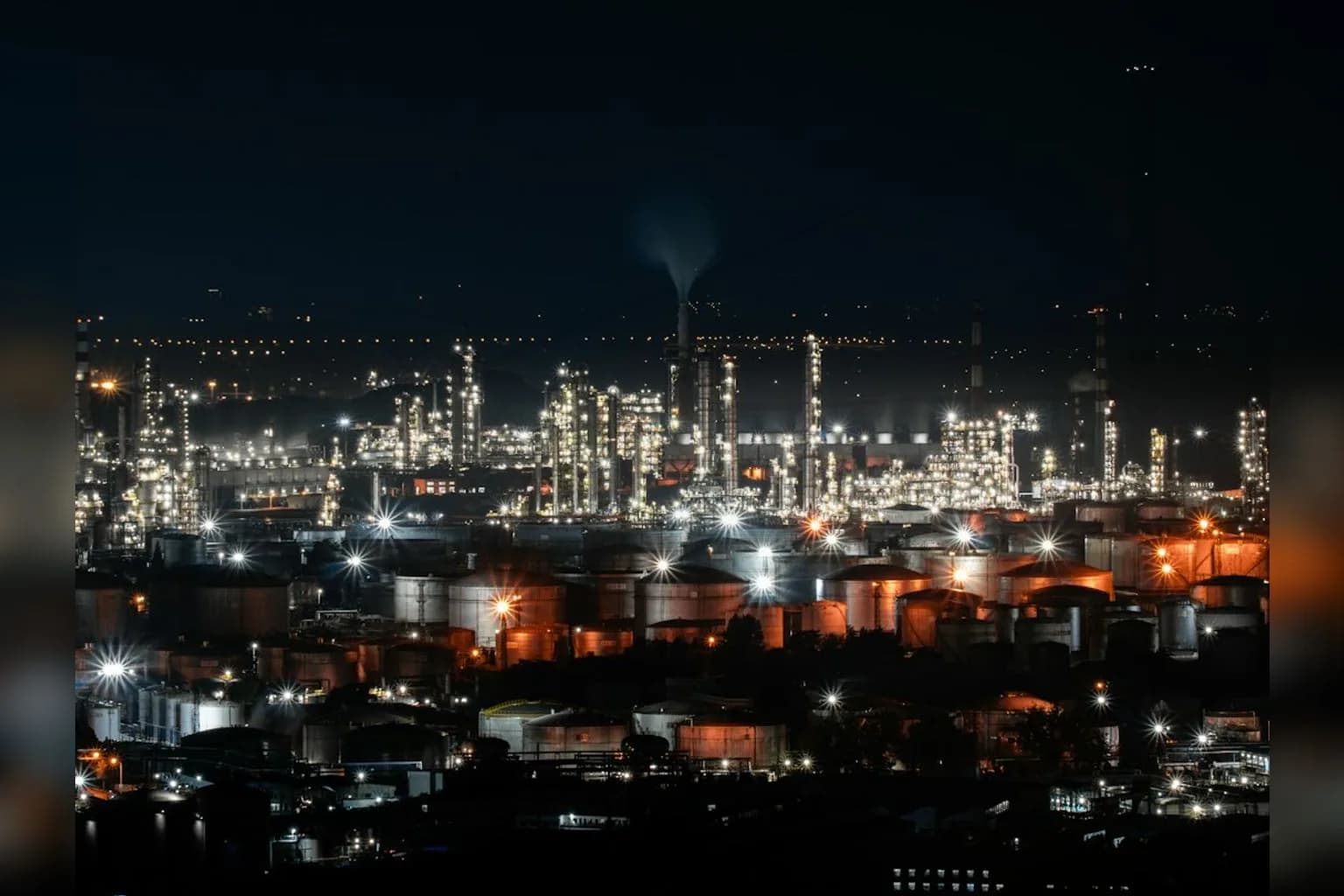
China operates the world’s largest refining system, with capacity to process roughly 18.8 million barrels a day. Its supply matters across the region: in 2024, it provided a third of Australia’s jet fuel and about half of the fuel used by the Philippines and Bangladesh.
The halt follows a sharp fall in domestic inventories. By late September, commercial gasoline stocks had fallen to their lowest since 2011, while diesel stocks were at their lowest since 2015. Domestic gasoline and diesel inventories have slumped to multi-year lows.
China had previously curbed exports in March as the Iran war closed Hormuz, then eased the restrictions in mid-July. When it first imposed the export ban in March, Beijing continued to send diesel to the Philippines and Vietnam. In August, China exported 6.01 million tonnes of oil products, up 12.7% on a year earlier. Traders had expected Chinese refiners to add more than a million tonnes of diesel to international markets in September.
The latest suspension comes as other supplies are constrained. Russia is keeping its diesel export ban in place until 31 October. US distillate stocks are already 14% below their five-year average.
Asia burns 38% of the world’s oil, and the International Monetary Fund had already raised its forecast for regional inflation to 2.6% this year. Higher diesel prices feed into the region’s fuel costs as China’s export position remains uncertain.
The US reimposed its blockade of Iranian oil on 13 July. China’s Energy Law, in force since January 2025, made strategic reserves a legal obligation for state and private companies. Before the war began, China had built crude stocks of roughly 1.1 to 1.2 billion barrels, about 100 days of import cover.
It remains unclear whether Beijing will authorise fuel exports once the holiday week ends on 7 October.




Comments (0)