

Supporters of Benjamin Netanyahu gathered outside the polling station where the prime minister cast his vote on Tuesday, as Israelis turned out in record-breaking numbers for an election that could reshape the coalition he relies on. Netanyahu, 77, has served as prime minister on and off for more than 19 years.
The nationwide turnout had reached 66.7 percent by 6:00 pm, the highest level at that point in an election day since records began in 1973. By 8 P.M., turnout across Israel was the highest ever recorded up to that hour. Some 7.3 million people were eligible to vote.
That participation could work against Netanyahu even if he prevailed over Gadi Eisenkot, his centrist rival. The electoral threshold could be as high as 210,000 votes, putting smaller parties at risk of falling short.
Among them is Amcha Yisrael, led by the hardliner Ofer Winter and aligned with Netanyahu’s coalition. High turnout could also push out the unaligned Reservists party.
The election was Israel’s first national vote since Hamas led an attack from the Gaza Strip by land, sea and air on October 7, 2023. The assault killed about 1,200 people, primarily Israeli citizens, and more than 240 people were taken hostage. It was Israel’s deadliest day since independence.
Netanyahu had returned to power in December 2022. Final opinion polls put him neck and neck with Eisenkot, a 66-year-old former military chief and political novice.
On voting day, Eisenkot visited privately the grave of his son Gal, who died fighting in Gaza. Gal’s death has drawn empathy from many Israelis.
Eisenkot urged voters to replace “the worst government since the state was established”.
Netanyahu, meanwhile, sought to extend voting beyond the 10:00 pm closing time and pressed his supporters to turn out. “We cannot leave this battle here in the hands of the left and the Arab parties that want to bring an end to the Jewish state,” he said.
He also told supporters: “So no barbecues, don't go to the beach -- go to the polling station and vote Likud”.
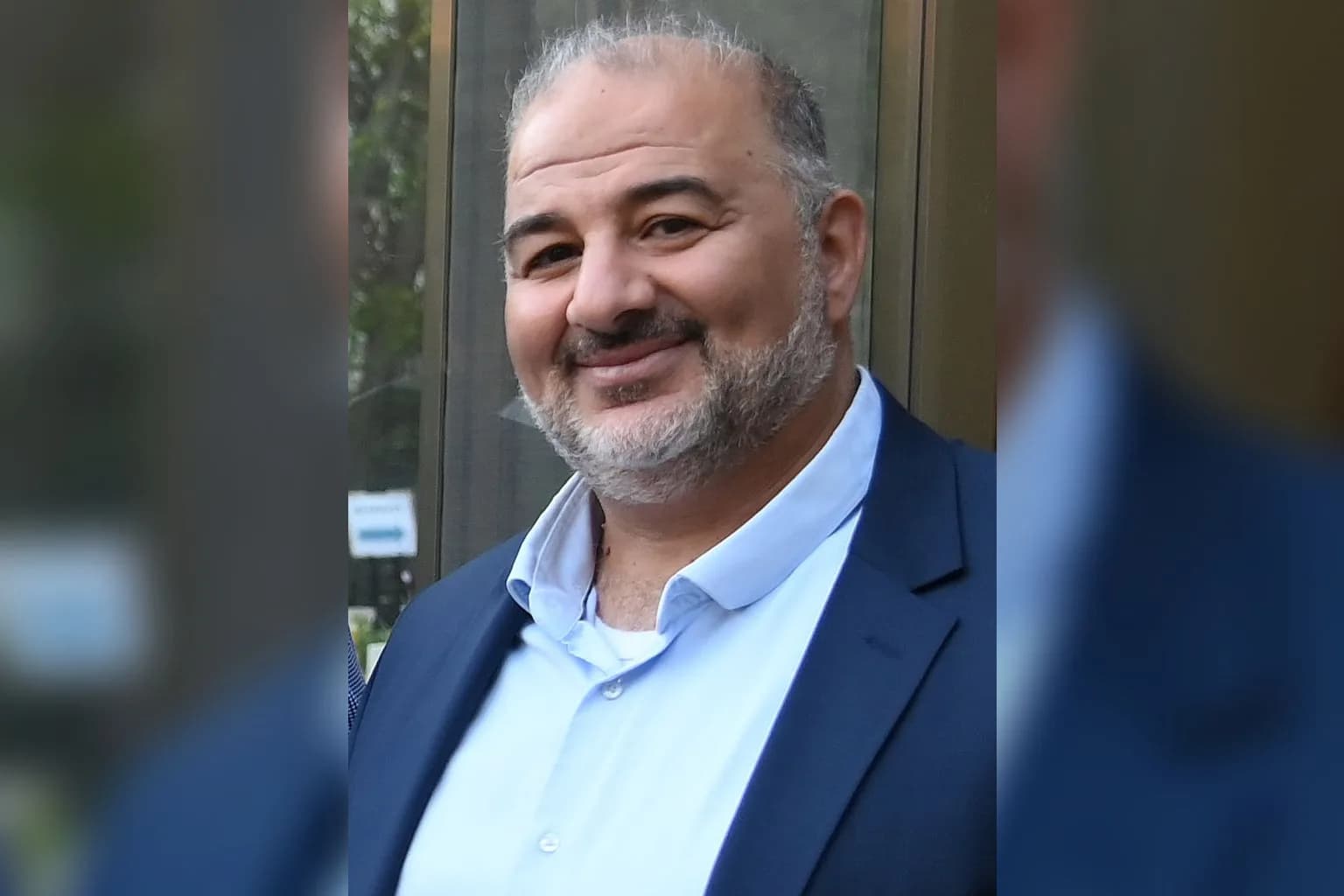
Mansour Abbas, head of the United Arab List, accused Netanyahu of “lying and inciting” to mobilise his voters.
Turnout appeared unusually high among Israeli Arabs and in east Jerusalem, though the eventual effect on voting patterns remained unclear.
Police said they had caught individuals who tried to bribe voters. In Tel Aviv, officers arrested a man carrying a knife after he moved threateningly towards Yair Golan, leader of The Democrats party, near a polling station.
Results and the eventual distribution of seats were still unknown. The key question was whether the turnout would deny Netanyahu the smaller allies his coalition depends on, even if he remained ahead of Eisenkot.



Comments (0)