
Cars flying Likud flags drove through Jerusalem on Tuesday, broadcasting the Islamic call to prayer and telling voters to cast their ballots because “Arabs are voting.”
The appeal came as Israelis voted in the largest numbers in a generation, and as exit polls put Prime Minister Benjamin Netanyahu’s alliance roughly level with an opposition bloc led by Gadi Eisenkot.
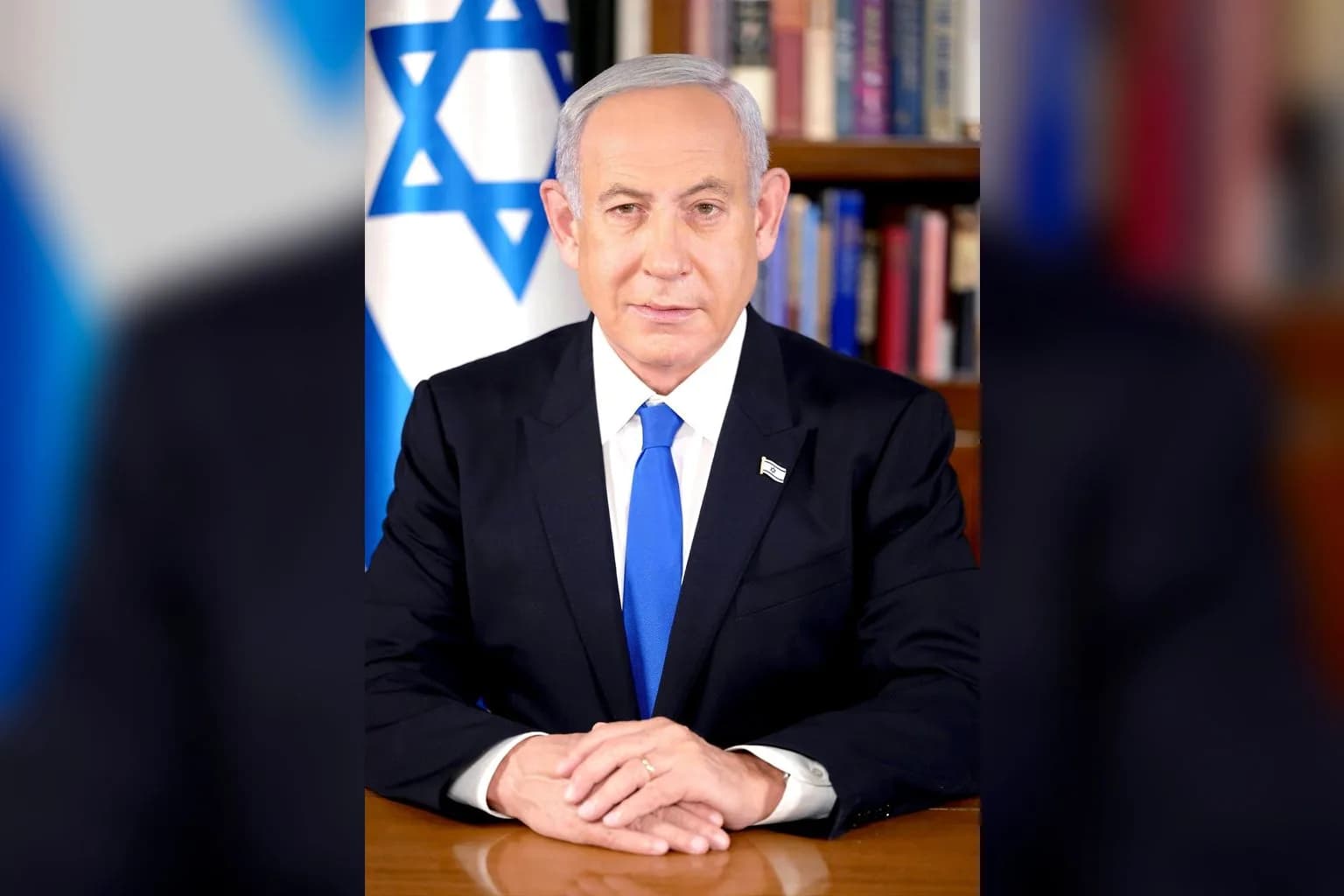
Turnout reached 55.7% in the first nine hours of voting, the fastest pace on record, the elections committee said. Long queues formed at polling stations in Arab communities. Netanyahu published an image he said showed Arabs, including women in niqabs, waiting to vote.
Netanyahu, 77, has run Israel for 19 of the past 30 years. In a series of social media posts, he accused Palestinian citizens in Israel of “raiding the polling stations and stealing the elections”, and described them as “Muslim Brotherhood supporters”.
He urged right-wing Israelis to “go out and vote for Likud”, calling the situation a “matter of life and death for us”. Netanyahu also alleged that Arab Israeli parties had foreign support from Qatar to “steal” the election.
His far-right ally, the National Security Minister Itamar Ben-Gvir, called the level of Arab turnout “crazy”. He urged supporters to vote for his Jewish Power party if they wanted the country to be Jewish and Zionist.
The warnings arrived as exit polls projected that two Arab parties could take as many as 17 or 18 seats in the 120-seat Parliament, their strongest result ever. The same projections indicated that neither Netanyahu’s bloc nor Eisenkot’s could form a government without relying on the two Arab parties.
Netanyahu effectively ruled out bringing Arab parties into a governing coalition. Eisenkot, who appeared onstage after midnight at his post-election party, said: “Tonight we got the answer: The public wants change.” He too has ruled out working with Arab parties, citing a lack of shared values.
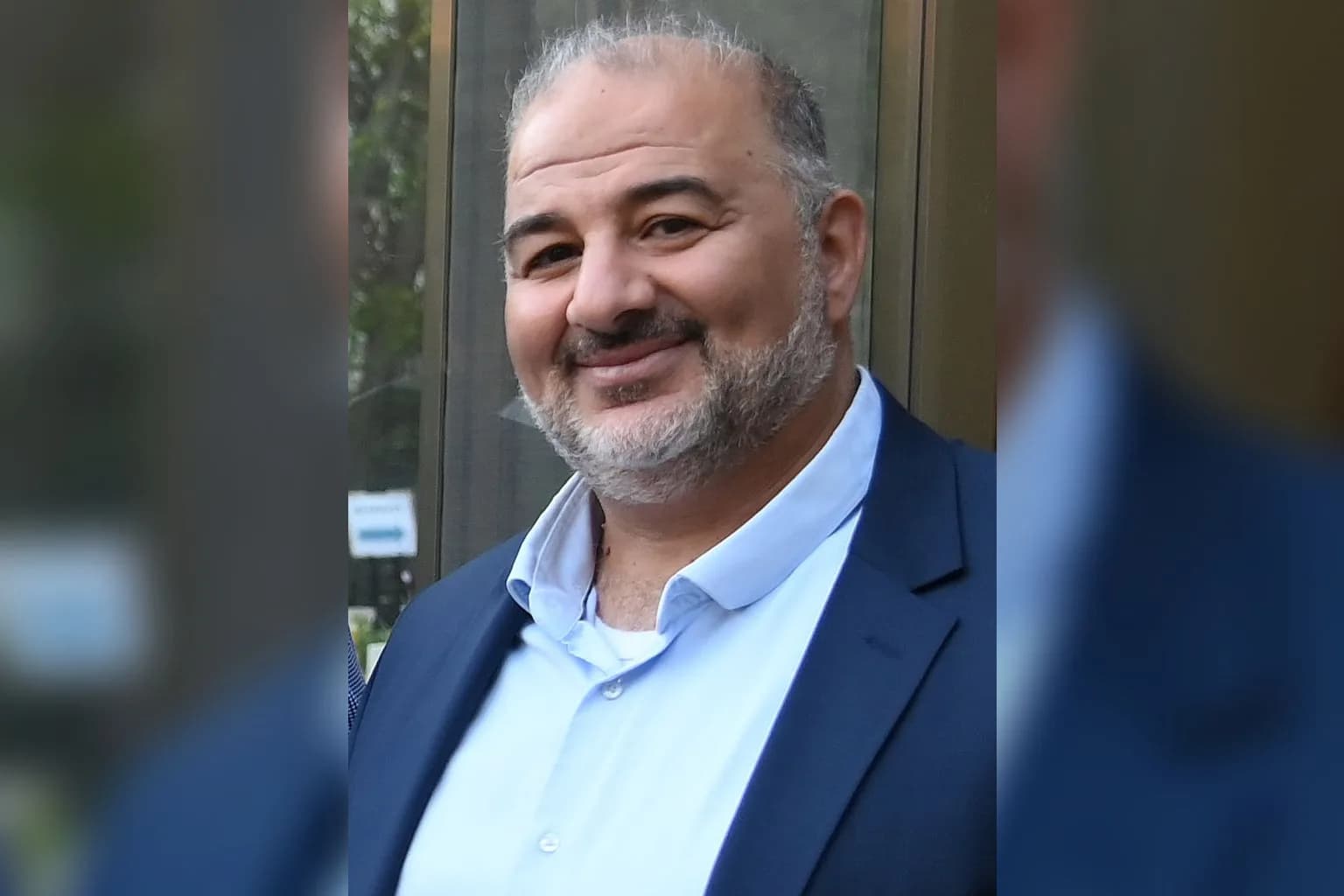
Arab leaders said Netanyahu’s language was intended to turn out his own side. Mansour Abbas, leader of the United Arab List, called it a “scare tactic to mobilise right-wing voters and drive them to the polls”.
Yousef Jabareen, the Joint List leader, said on Tuesday that Netanyahu knew that “we can put an end to his bloody reign.” He later accused Netanyahu of incitement, saying Netanyahu “refuses to come to terms with the fact that the Arab public voted and decided”.
Sami Abu Shehadeh, leader of the Arab Balad party, said the queues should give pride to anyone who believed in democracy. He wrote that the messages from Netanyahu and his coalition partners were “actually an excellent sight, it is good for democracy.”
The record turnout among Arab Israelis appeared to reflect outrage at routine discrimination and fear of extremist members of the government. Yet Adalah, the Legal Center for Arab Minority Rights in Israel, said it had received numerous reports on Tuesday of efforts to deter Arab voters, including slow-moving queues in Arab-majority towns and too few ballot slips printed in Arabic.
In Nazareth, some ballot packets sent to polling stations were in Hebrew alone, rather than in Hebrew and Arabic.
Netanyahu and his allies called on Shin Bet to investigate alleged vote buying and other irregularities in Palestinian communities in Israel. On Wednesday night, Netanyahu posted a Likud statement calling the claimed violations “an attack on democracy whose purpose is to lead to a foreign takeover of the Knesset, the Islamisation of Israel, and the overthrow of rightwing rule”.
Dean Livneh, the acting director general of the central elections committee, said there appeared to be no basis for the fraud claims. Majed al-Ansari, an adviser to Qatar’s prime minister, said the government “categorically” denied involvement in the elections.
At 3:15 a.m. on early Wednesday, Netanyahu told supporters: “We must form a strong right-wing government.” By then, election authorities had counted nearly a million votes, about a fifth of the total cast, and expected the count to last days.
With almost all votes counted, Netanyahu’s coalition has 53 seats in the 120-seat Knesset, Eisenkot’s bloc has 48, and the Joint List and Ra’am together have 19. Netanyahu has lost his parliamentary majority, and the result leaves both him and Eisenkot unable to form a government without Arab support.

Comments (0)