
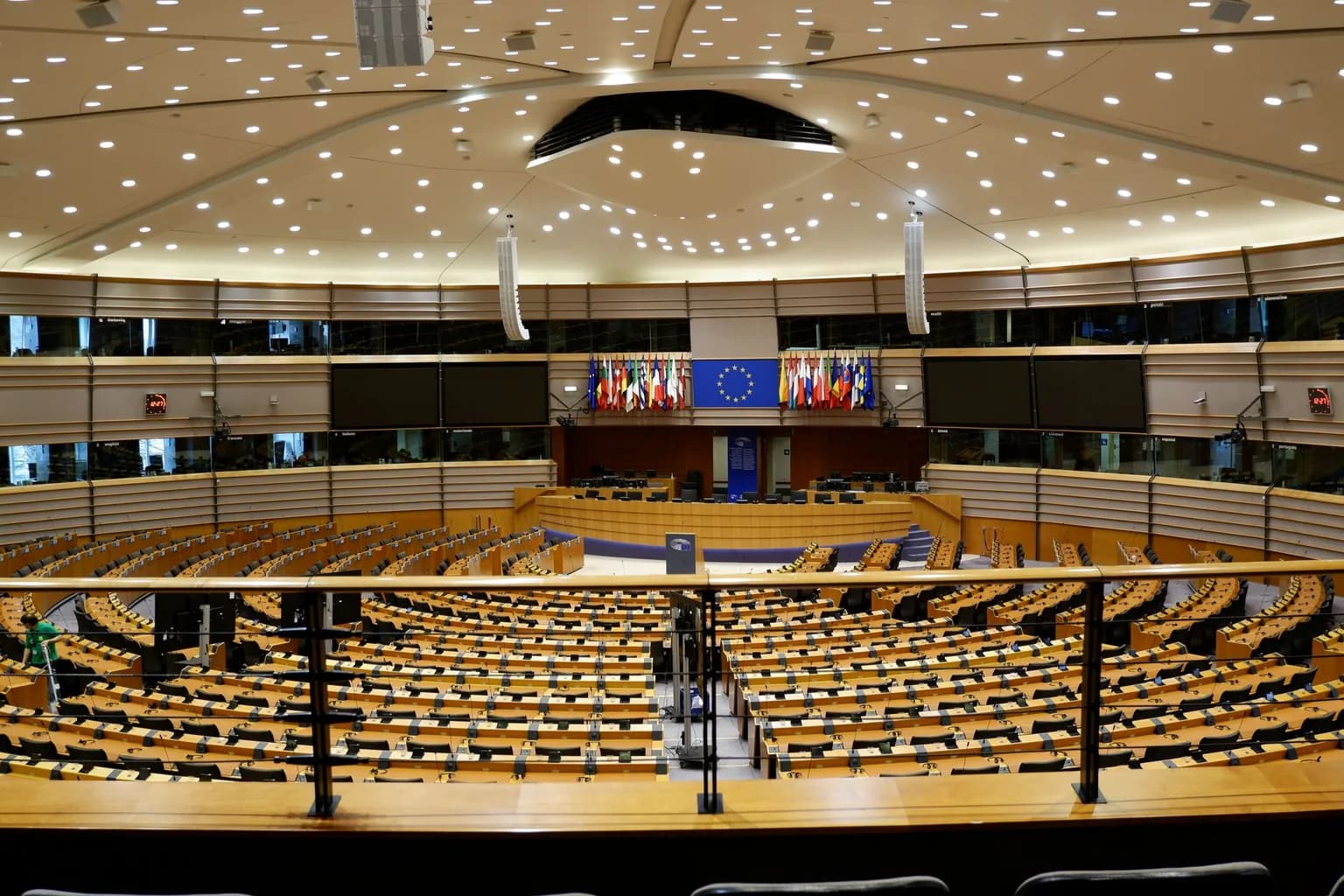
In Brussels, as a new European Parliament took office in the summer of 2024, Patriots MEP Auke Zijlstra declared 14 meetings with tobacco and nicotine lobbyists, the highest total for any lawmaker.
The meetings came as the EU prepared to rewrite its tobacco and nicotine rules. More than 400 contacts between lawmakers and lobbyists have been declared during the current parliamentary term, compared with about 100 in the 2019-2024 term.
The figures amount to a quadrupling of declared meetings. The Smoke Free Partnership, a coalition of NGOs, collected the data from the Transparency Register, where European lawmakers must publicly disclose their meetings.
Some 75% of the meetings were with members of the centre-right European People’s Party, the right-wing European Conservatives and Reformists, and the far-right Patriots for Europe.
Philip Morris International accounted for more meetings than any other tobacco company.
After Zijlstra, Pietro Fiocchi of the ECR declared nine meetings. Michalis Hadjipantela, Elena Nevado del Campo and Jessica Polfjärd of the EPP each declared eight.
Nevado del Campo and Polfjärd, who jointly had the third-highest number of meetings with the industry, supported an EPP wording change on nicotine regulation.
In a non-binding cardiovascular disease report this summer, the EPP proposed replacing language that nicotine should face the “same” regulation as tobacco with a call for “appropriate rules”.
The World Health Organization’s tobacco control treaty says policymakers should meet tobacco lobbyists only when it is strictly necessary to discuss regulation of the sector.
Tilly Metz of the Greens/European Free Alliance said: “I find it scandalous and shocking that there are more meetings with the tobacco industry than the NGOs and the associations that advocate for stop smoking”.
“When you are working on health files, it is completely incompatible to regularly meet with the tobacco industry”, Metz said.
The Smoke Free Partnership said the withdrawal of EU operating grants last year had placed “significant pressure” on its resources.




Comments (0)