
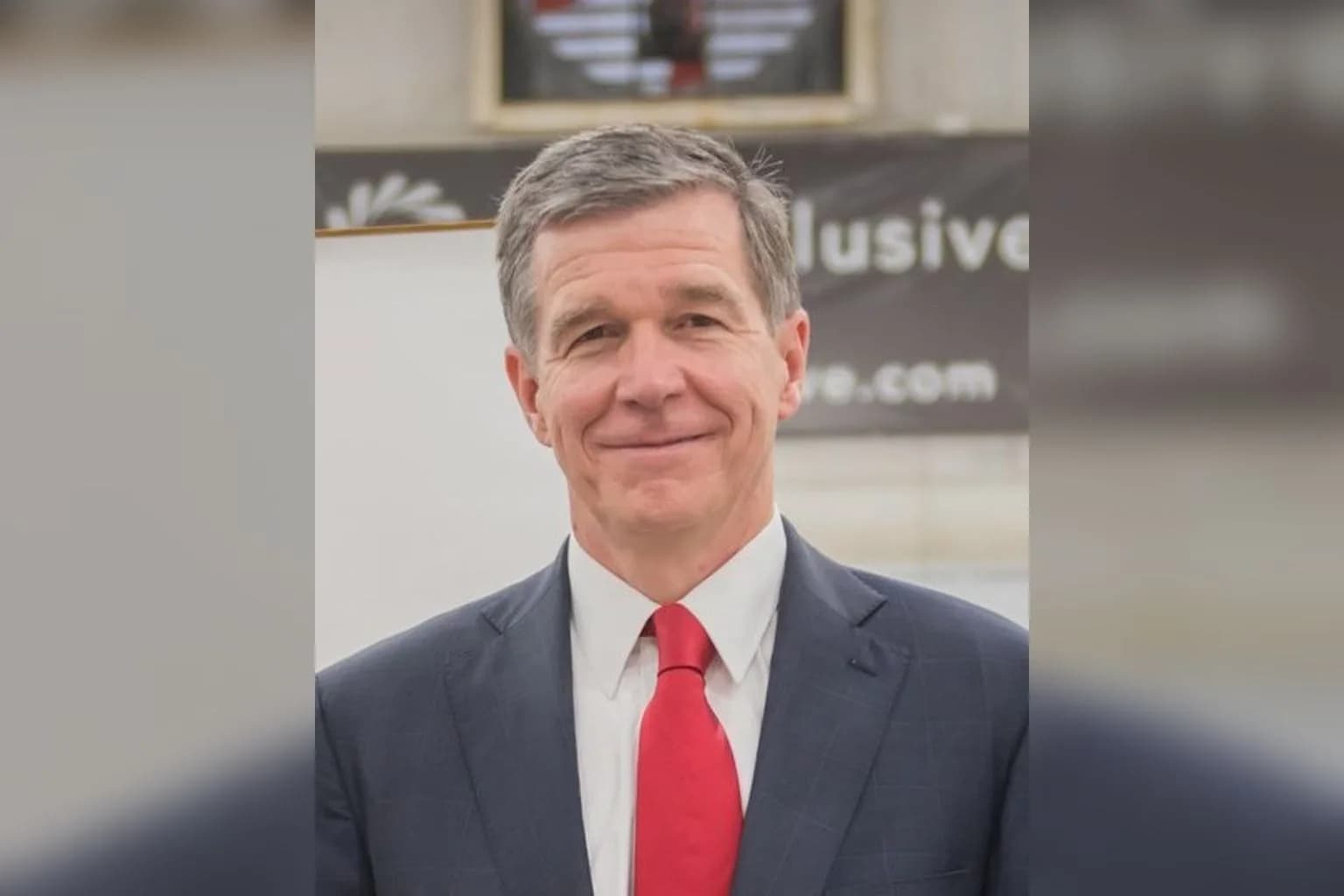
Roy Cooper’s Senate victory gives Democrats a key pickup as they seek to take control of the chamber, which requires four seat flips in total.
Cooper made affordability, high gas prices and the cost of living central to his campaign. About 6 in 10 voters blamed higher than usual prices on Trump’s policies rather than forces outside the president’s control, while voters casting ballots with Trump in mind were about twice as likely to be registering opposition to him as support.
The contest was for the seat held by Senator Thom Tillis, the Republican who said in 2025 that he would not seek reelection. Tillis made that decision after Trump threatened him with a primary challenger over his refusal to support the president’s tax cut and spending bill.
Trump then selected Michael Whatley, the former chair of the Republican National Committee, as his party’s nominee. Whatley, whose age was described as 57 or 58, was making his first bid for elected office after work in George W. Bush’s administration, service as chief of staff to former Senator Elizabeth Dole, and a stint leading the state Republican Party.
Cooper, 69, had served two terms as governor from 2017 to 2024 and is North Carolina’s longest-serving state attorney general. He had never lost an election.
He cast Whatley as closely bound to the president who had chosen him. “This president anointed him to be the candidate. Now Michael Whatley will do and say whatever this president tells him to do and say,” Cooper said.
Whatley campaigned on crime, immigration and carrying out Trump’s agenda. He sought to portray Cooper as the “soft-on-crime candidate” and criticised him over a COVID-era legal settlement that released inmates from state prisons to address overcrowding during the pandemic.
The race took place in a state Trump had won three times, including by just three points in 2024. Yet Whatley never led in polling, and Cooper’s advantage grew as the campaign went on.
A few weeks before the election, national Republican organisations withdrew television advertising from North Carolina and redirected money to battlegrounds including Kansas. Republicans shifted $10 million from the North Carolina Senate contest to Kansas; only $30 million of an initial $71 million budget had been spent in North Carolina before the change in tactics.
Trump and Vice President Vance nevertheless held multiple rallies in North Carolina during the campaign’s final weeks for Whatley.
Voters went to the polls on Tuesday, 3 November 2026, amid frustration over the cost of living, high gas prices and the Iran war. Young voters had moved sharply away from the Republican Party after Trump’s gains with the group in 2024, with Republican support among voters aged 18-29 falling from more than 40% in 2024 to 25% on Tuesday.
The Associated Press called the race at 8:24 p.m. ET, with Cooper ahead 66.8% to 31.6%.
Cooper will succeed Tillis and become the first Democrat elected to the Senate from North Carolina in 18 years.


Comments (0)