
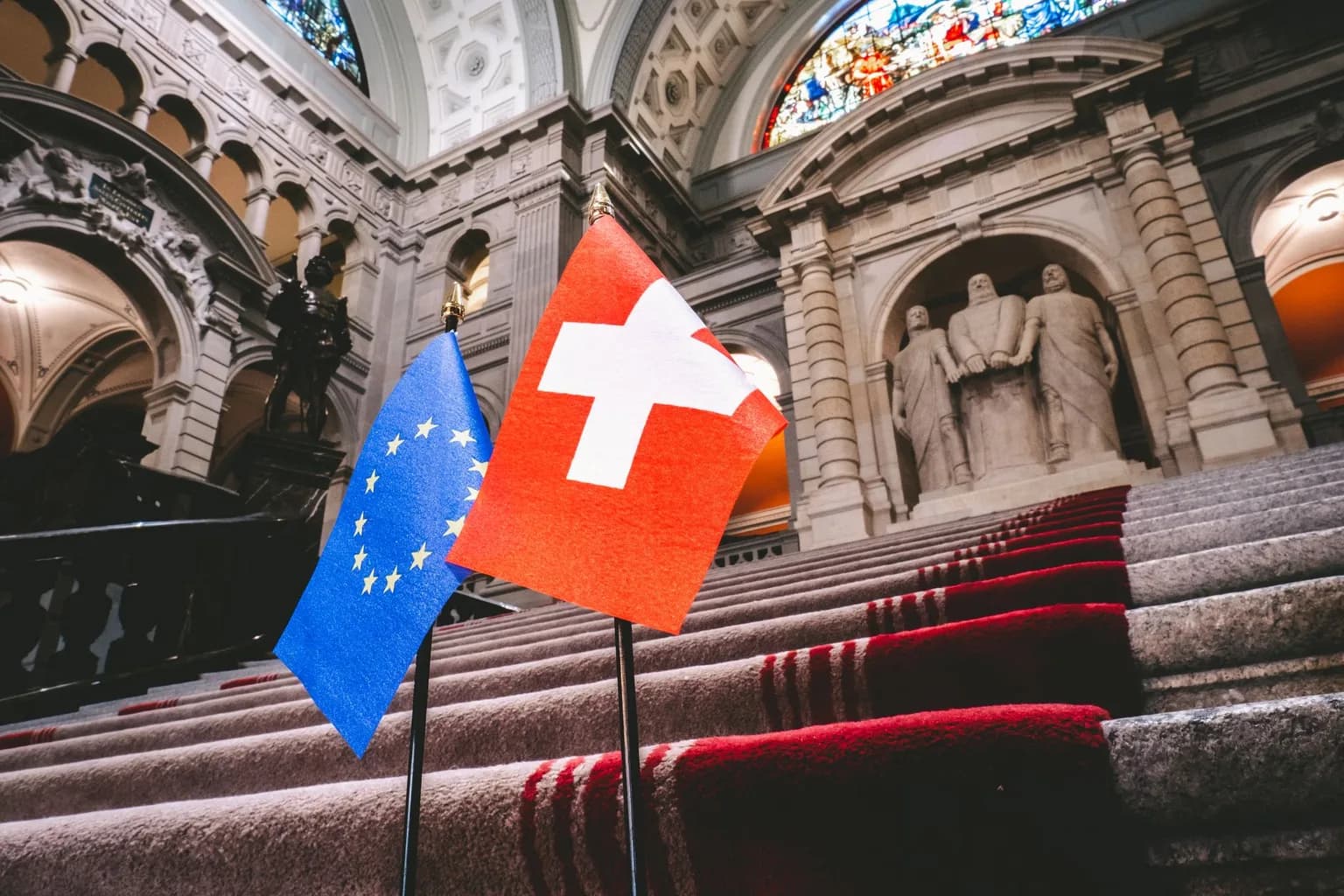
At the end of a two-day summit at the Port of Montreal, Canadian Prime Minister Mark Carney endorsed the European Union's offer of associate membership and declared: "Today, we move towards associate membership for Canada."
Carney had arrived at the meeting after weeks of hesitation, a hostile response from US President Donald Trump and pushback from Germany. After discussions with European Commission President Ursula von der Leyen and European Council President António Costa, he backed a relationship he called "the deepest possible partnership short of accession."
The ambition now faces a long period of negotiation. Brussels and Ottawa have given themselves until June 2027 to settle the shape of their new relationship. Carney said he would attend a meeting of European leaders in June to conclude negotiations on the proposal.
At a press conference at the summit's close, Carney said: "In the coming months, we will determine the full substance, scale, and scope of this new form of membership." Canadian government officials said Canada would require no legislation to legitimise its associate membership status.
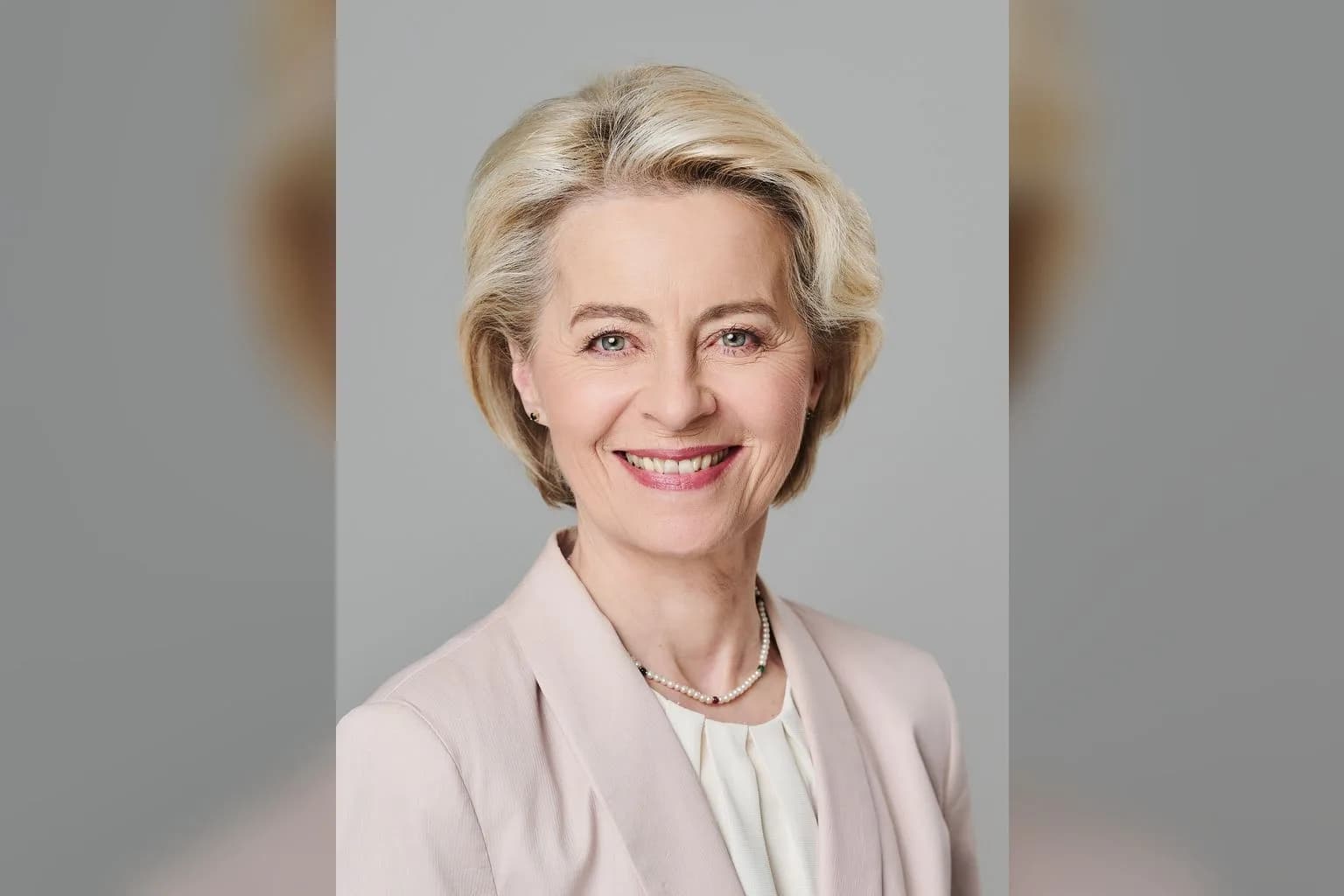
Von der Leyen had proposed associate membership. She acknowledged that the model had yet to be tested, saying: "The concept of an associate member is uncharted territory but we have the ambition, trust and creativity to shape it together."
Costa said the partners wanted a relationship that went beyond simple association while remaining short of full EU membership. He said the alliance launched at the summit would be "the closest relationship the EU has ever established with a country outside the bloc."
Carney, von der Leyen and Costa launched the "Alliance for the Future" as part of the effort to formalise the partnership. The two sides also brought substantive negotiations on a digital trade agreement to a close. Carney pointed to Europe's Jupiter supercomputer, saying it could complete calculations in one day that would take Canada's most powerful research computer six months.
Some parts of the wider economic relationship remain unsettled. Carney told reporters that Canada and the EU had agreed carveouts from a landmark EU anti-deforestation law, before Canadian government officials later walked back that assertion. Canada also still faces a question over eligibility for "Made in Europe" status under the EU's Industrial Accelerator Act. Von der Leyen said a regulation proposed earlier this year by the Commission envisaged Canada as a free-trade partner.
The summit ended with a joint declaration in Montreal. It omitted any reference to associate membership, despite the proposal's central place in the discussions.


Comments (0)