
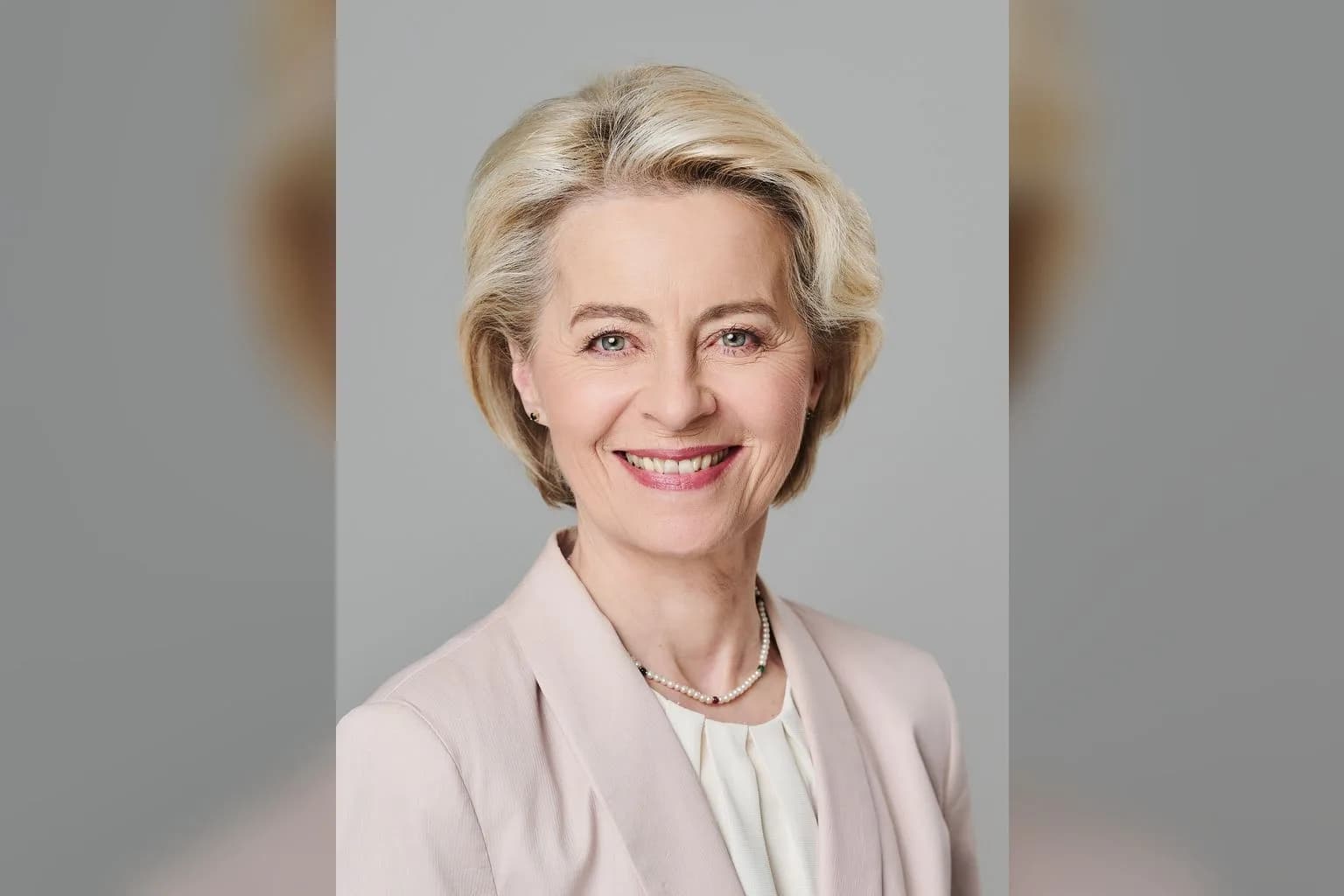
Ursula von der Leyen proposed making Canada the EU’s first “associate member” in her 2026 State of the Union address. The idea was meant to frame closer relations with Ottawa, but it has since met resistance from national governments that were not consulted before the label was put forward.
Germany, France and at least six other EU countries oppose calling the closer relationship “associate membership”. Germany is pressing most strongly for the phrase to be removed from a draft declaration, five EU diplomats said. France, Italy and Belgium are among the countries sceptical of the wording.
The disagreement has become one of the main obstacles in negotiations over a joint declaration on deeper cooperation between Brussels and Ottawa. EU ambassadors are scheduled to discuss the partnership declaration.
“We’ve definitely put the cart before the horse. We’re announcing something and then figuring out how to flesh it out,” one diplomat said.
The central objection is that the EU is assigning a name to the relationship before deciding what that relationship will involve. A European diplomat put the uncertainty more bluntly: “We don't know what associated membership is”.
Bernd Lange, chair of the European Parliament’s trade committee, said he would avoid the term because “associate membership” could be confused with other forms of EU partnership. One diplomat described the proposal as an experiment and said “Canada might be the only one” ever to receive associate membership of the EU.
Canada cannot become a formal EU member because the EU’s founding documents restrict that status geographically to Europe. Prime Minister Mark Carney wants to diversify Canada’s trade and modernise the country’s infrastructure. His vision of an “Alliance for the Future” has found more support among Europeans than the associate-membership concept.
The EU-Canada summit is scheduled for October 29-30 in Montreal. After it, work is expected to start on six priority areas, with progress reviewed after six months and a fuller assessment one year later at the next EU-Canada summit.
A leaked draft statement proposes cooperation on rules governing how Canadians use artificial intelligence, verify their identity online and transfer personal information between countries. It also proposes joint work to track disease outbreaks and prepare for future pandemics.
Energy cooperation presents another unresolved question. Austria is resisting language on deeper nuclear ties, while France, Romania, Slovakia and some other countries support including it.

Comments (0)