
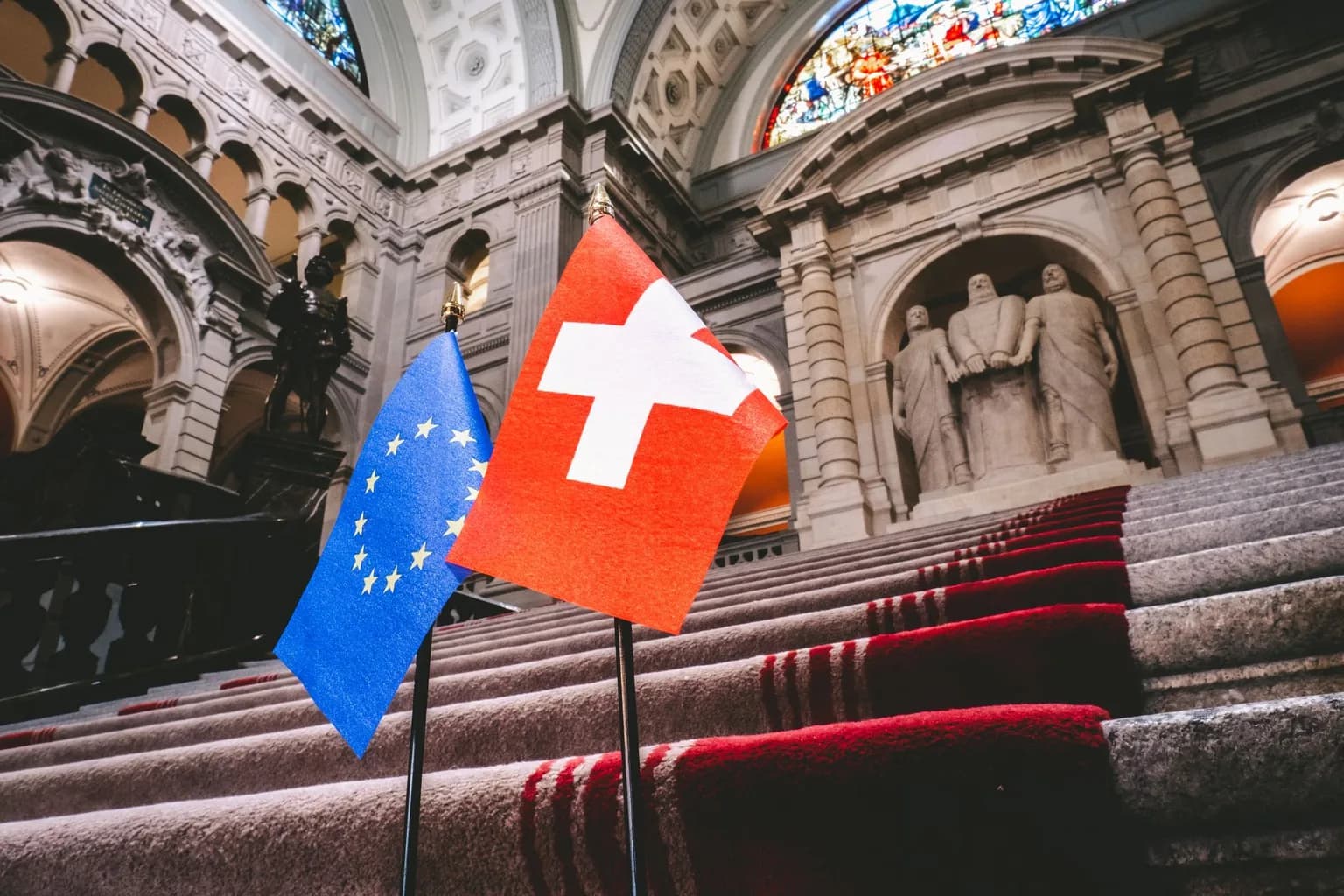
Canadian artificial-intelligence researchers will be able to use European supercomputers, while Canada has pledged 500 million euros, roughly $775 million, to an EU loan programme for Ukraine under a new alliance with the European Union. The summit also produced a digital trade agreement and a deal allowing the European Investment Bank to fund critical raw-materials projects in Canada.
Ottawa's push for closer ties with Europe is seen as an effort to reduce Canada's reliance on the US after President Donald Trump imposed tariffs on a range of Canadian goods. Europe, meanwhile, sees Canada as a source of minerals used in green technologies, including batteries and wind turbines, which it normally obtains from China.
Prime Minister Mark Carney and European Commission President Ursula von der Leyen announced the Alliance for the Future as their two-day summit in Montreal closed on Friday, 30 October 2026. A seven-page joint statement was released on Friday.
At the closing news conference, Carney said: “Today we move toward associate membership for Canada and we launch a new alliance for the future.”
Von der Leyen had first suggested last month that the EU should open the door to Canadian “associate membership”. She returned to that idea in Montreal, saying the proposed relationship was for “only to our closest partners outside of Europe who are ready to open a new frontier together.”
She described the intended model in more detail: “Our idea is simple: it is an association without accession. We can build a partnership that comes closer to membership than anything we have done before.”
Canada and the EU have now formally agreed to spend the next eight months negotiating Canada’s path towards associate membership. The leaders said the role’s scope would become clearer at a 2027 summit.
The language remains sensitive within the EU. Germany and other member states raised concerns that Canada could receive preferential treatment over other countries seeking closer ties. They succeeded in removing “associate member” from a draft statement before the summit, replacing it with “ever closer association”.
Matthias Lüttenberg, Germany’s ambassador to Canada, said Berlin had used the term associate membership for the EU’s relationship with Ukraine and potentially Moldova.
Canadian officials had said the meeting would seek agreements on defence, critical minerals, research and trade. Alongside the announced deals, Canada recently signed an arrangement giving its defence companies procurement access to the EU’s Security and Defence Partnership programme.
The two sides are also looking beyond the immediate agreements. Von der Leyen said the aim was for Canada to join Erasmus+, the EU student exchange programme, fully. A Canadian government official said the goal was for Canada to join midway through 2027, while Ottawa wants full membership of the Horizon Europe programme by 2028.
Carney will join a meeting of von der Leyen’s cabinet next spring. Antonio Costa, the president of the European Council, will host Carney at a European Council meeting in June.
Costa, who attended the Montreal summit, called Canada “by far the most European of the non-European countries.”
Carney had earlier told the European Parliament in Strasbourg that Canada and Europe were “stronger together” in the face of “geopolitical rupture”. At the Montreal conference, he said: “Our societies have been shaken by new storms.”
Von der Leyen framed the alliance in terms of the effect trade pressure can have beyond governments. “When trade becomes a tool of economic pressure, it's the families that pay the price, from the supermarket shelf to the cost of a new car,” she said.
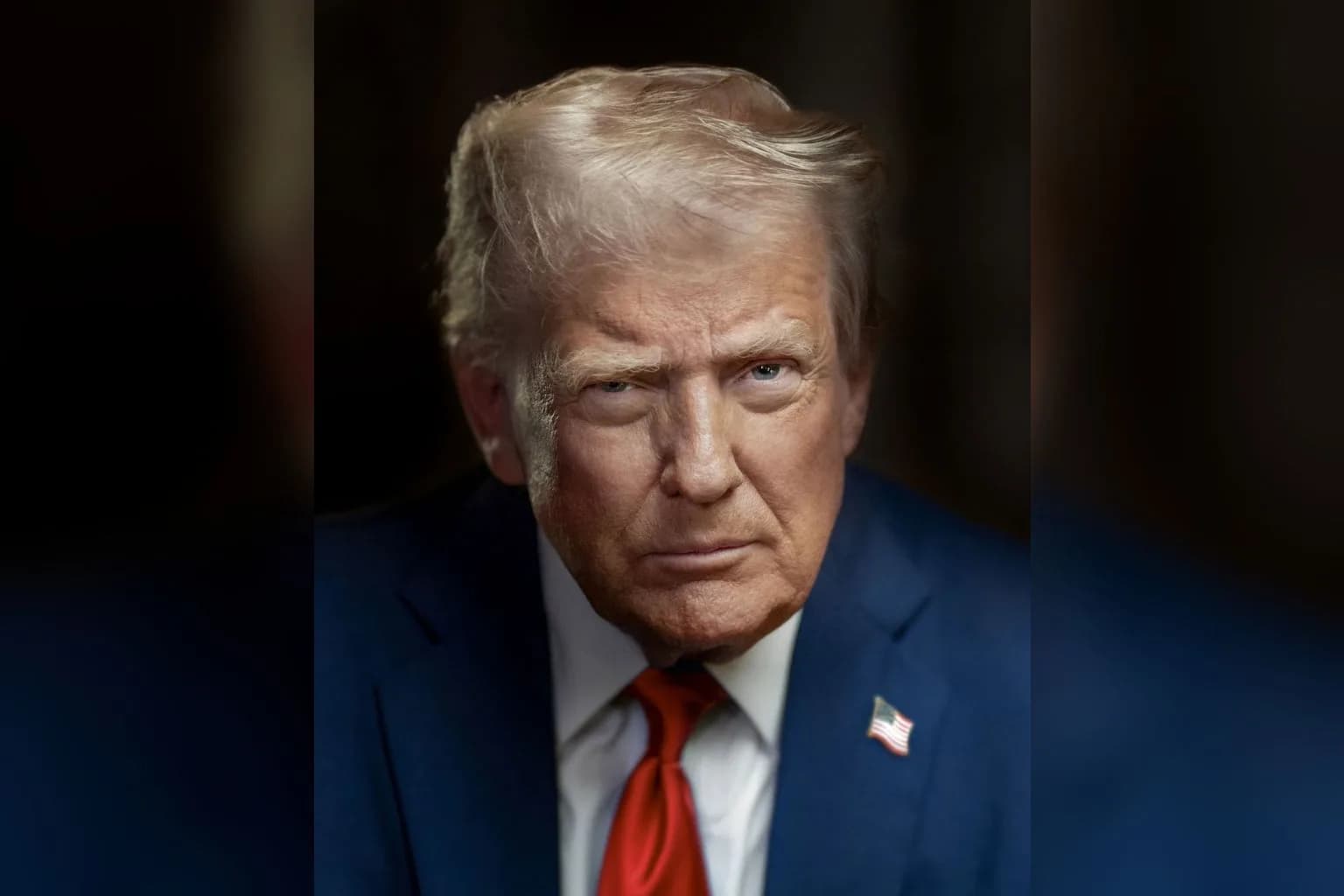
Trump has called the prospect of Canadian associate membership “laughable” and threatened “very serious tariffs” on Europe if he considered it a “hostile act.”
Canada has also been building practical links with individual European countries. In May, it signed an energy deal with Germany covering the first-ever long-term shipments of liquified natural gas from Canada to Europe in the coming years. On Thursday, Canada released its first National Security Strategy in two decades, identifying security and stability in Europe as a priority.
Pierre Poilievre, the Conservative leader, criticised the alliance in a statement, saying: “No one's mortgage or grocery bill will come down.”
Comments (0)