
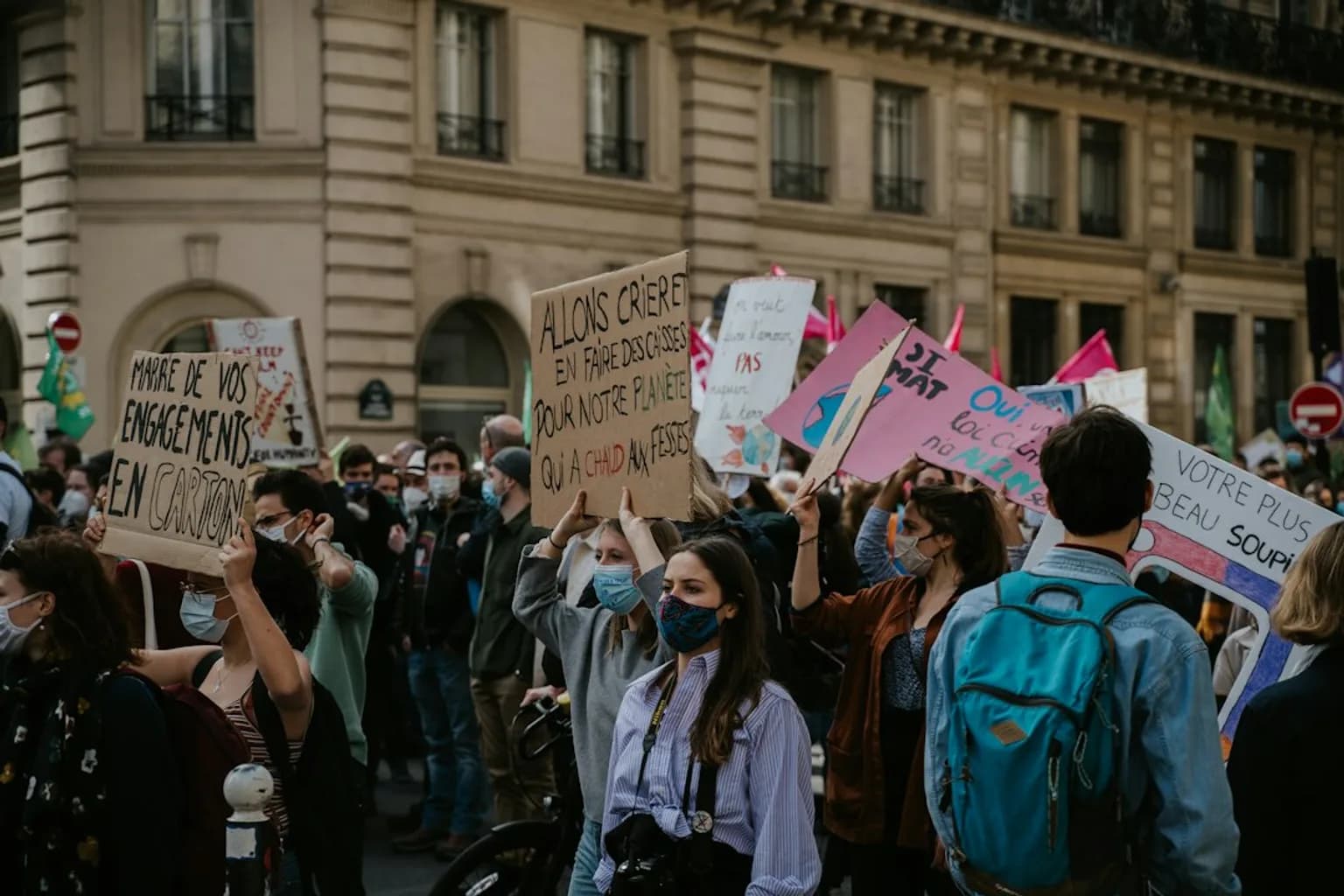
For young people protesting over living costs and education, a third weekend of demonstrations in France ended with authorities reporting more than 560 arrests nationwide by Saturday night.
The French movement began last month when high school students protested neglected buildings, teacher shortages and a university admissions system seen as unfair to disadvantaged students.
Corentin Cabreux, a 21-year-old student protester in France, lives in a state-run student residence marked by poor conditions. “there are damp stains all along the bottom of my walls, whole sections peeling off, cockroaches everywhere, rats,” he said.
More than 500,000 people joined protests around France on 17 October. Demonstrations on 24 October drew 410,000 people, according to government estimates, as police arrested thousands after riots and looting.
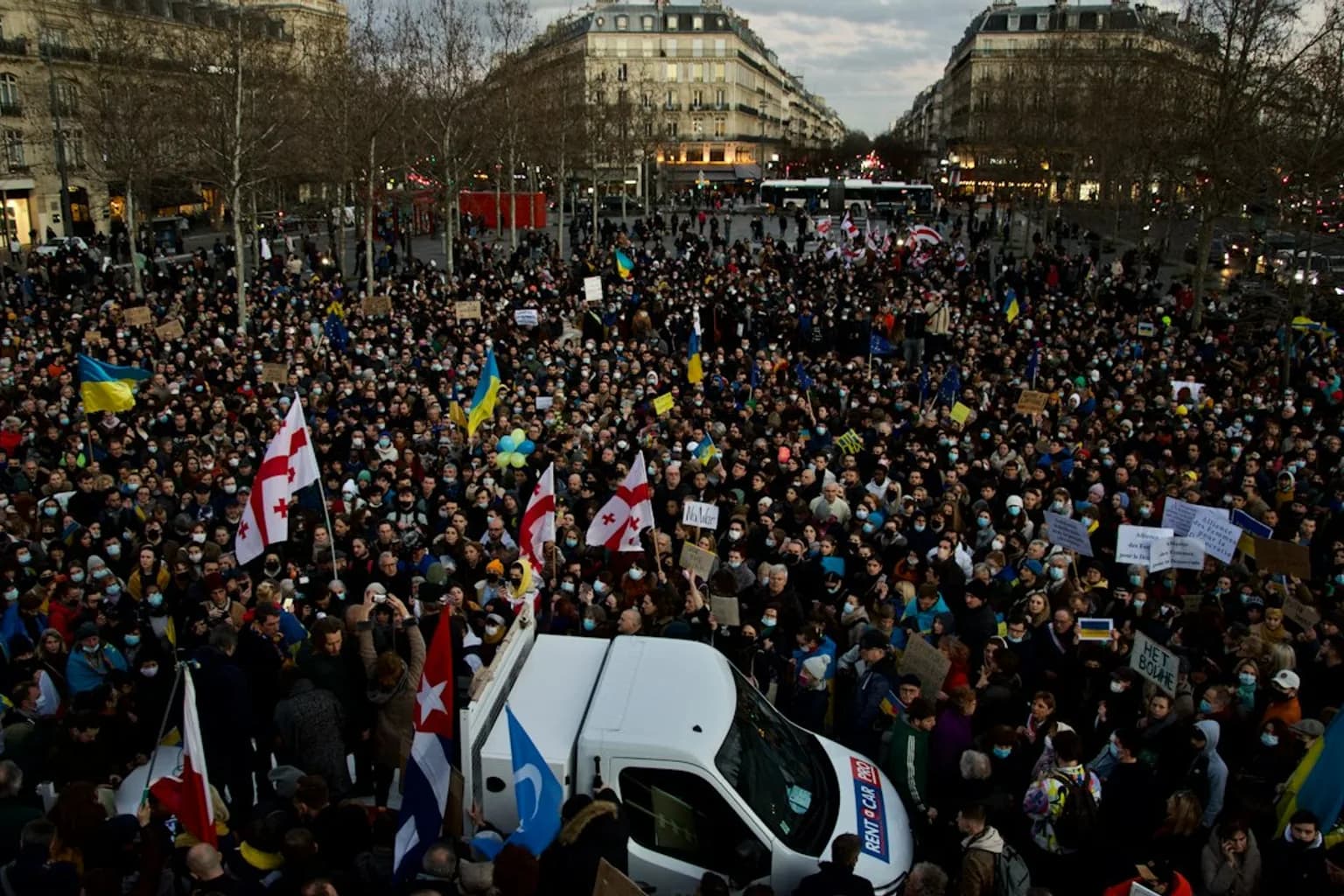
About 320,000 people protested across France on Saturday, the third consecutive weekend of demonstrations. An estimated 70,000 marched in Paris after a last-minute court battle moved the main protest to Porte de Bagnolet, on the eastern edge of the city.
The march streamed along the Boulevards des Maréchaux as it moved through Paris. About 70,000 police and gendarmes were deployed across France.
Laurent Nuñez, the French interior minister, warned of a “very high risk” of disorder. He blamed far-left extremist groups for attacks on security forces.
At Porte de Charenton, where the Paris march ended, protesters threw glass bottles and fireworks at officers. Police replied with volleys of stun grenades and tear gas.
Authorities had reported about 300 arrests nationwide earlier on Saturday, compared with 800 at the same point during the previous weekend’s protests. The figure later rose to more than 560 by Saturday night.
On the same day, the German youth initiative “Gen Z regelt” held rallies in more than 30 cities, inspired by the French demonstrations. The group said about 120,000 people took part. Its demands included education, health, climate protection and an affordable life, alongside opposition to any return of military conscription.
At Brandenburg Gate in Berlin on Saturday afternoon, young protesters called for greater investment in education and housing. Lara Breitenbach, a high school student protester in Germany, called for investment in social services, education and climate protection. “we are the ones who will be affected by this the longest and who will have to live with it,” she said.
Janelle Schulz, a high school student protester in Berlin, described a school with a ceiling collapsing from water damage, a shortage of teachers and broken toilets.
The German demonstrations were largely peaceful during the day, before tensions rose in the evening as groups of young people refused to disperse. Protests turned violent in Frankfurt, Berlin, Cologne and Hamburg, with police using water cannons and tear gas to disperse demonstrators.
In Cologne, police used water cannons after protesters used pyrotechnics and threw stones. In Hamburg, some protesters fired pyrotechnics towards police and burned barricades, prompting police to use water cannons and tear gas.
In Frankfurt, protesters hit police with stones, injuring several officers, including one severely. Rioters in the city centre also smashed storefronts, stole goods and weapons from a gun store, and threw Molotov cocktails at police.
Thousands also gathered peacefully in downtown Lisbon to protest Portugal’s housing crisis.

Comments (0)