
Egypt has been here before. In 2015, it joined the Saudi-led coalition in Yemen with naval and air forces, sending warships to the Red Sea and the Bab al-Mandab Strait. Cairo has not undertaken a large-scale foreign ground deployment since the 1991 Gulf War.
The conflict has moved closer to Egyptian interests since then. In July 2026, a fragile truce agreed in 2022 fell apart after the Houthis allowed an Iranian plane to land in Yemen’s capital, Sanaa. The group then declared a maritime blockade of Saudi Arabia and began attacking its ships, territory and oil facilities.
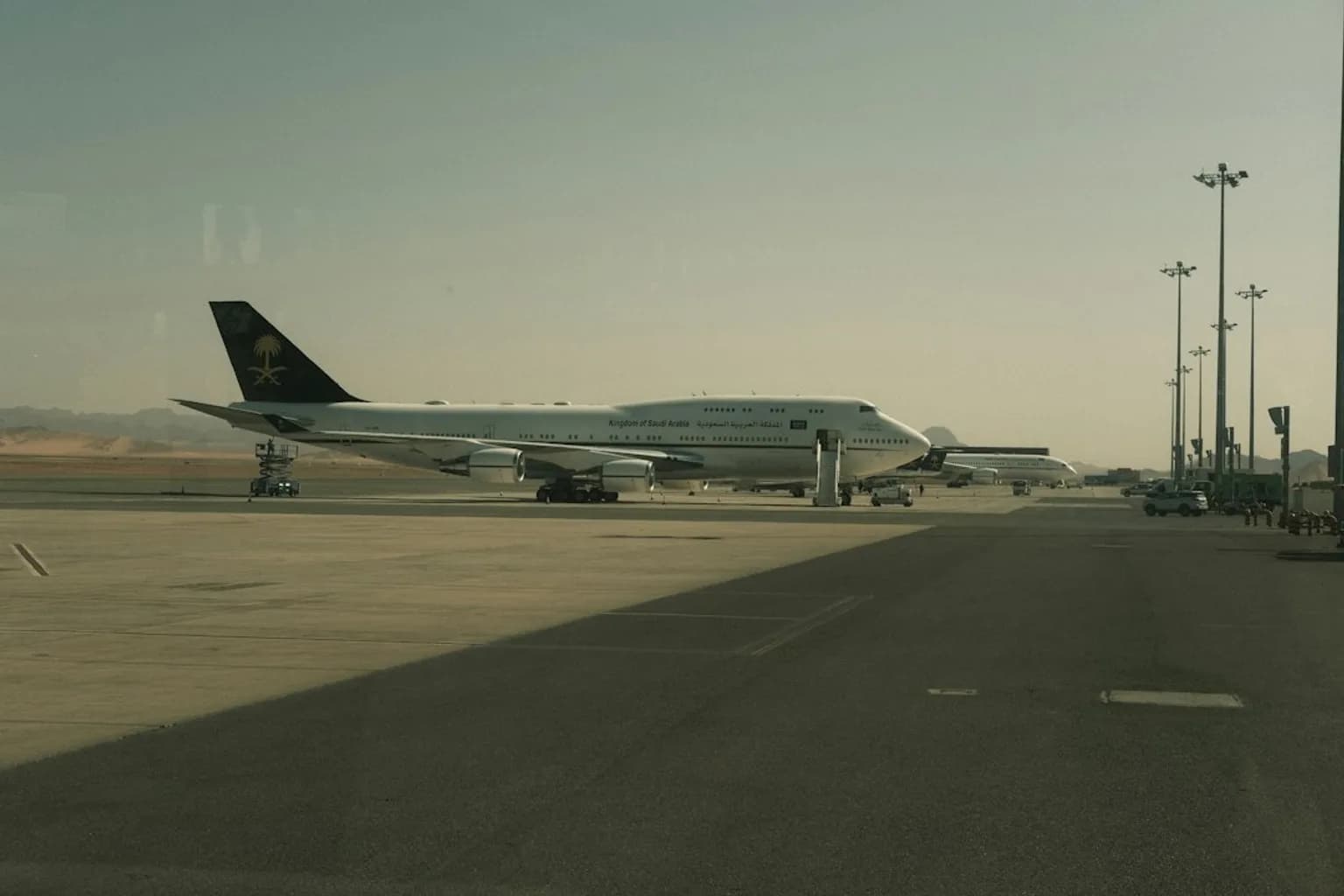
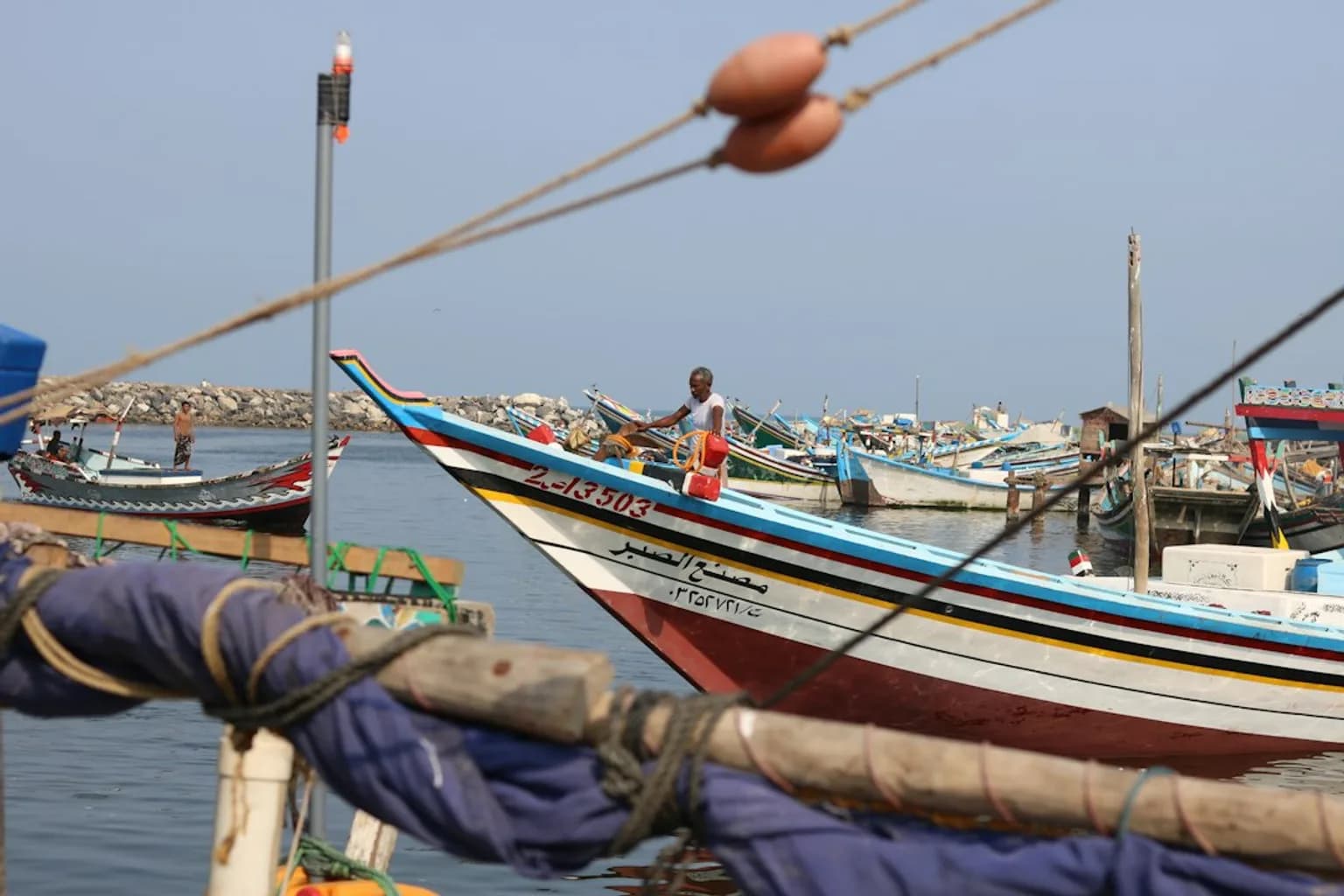
On September 11, 2026, the Iran-backed Houthis captured Yemen’s Red Sea coast from the internationally recognised government, cementing their control of the Bab al-Mandab Strait. In October 2026, attacks on Saudi Arabia intensified, hitting Riyadh’s international airport and facilities belonging to the state oil company Aramco. The attacks forced the cancellation of flagship events and shut Riyadh airport for two weeks.
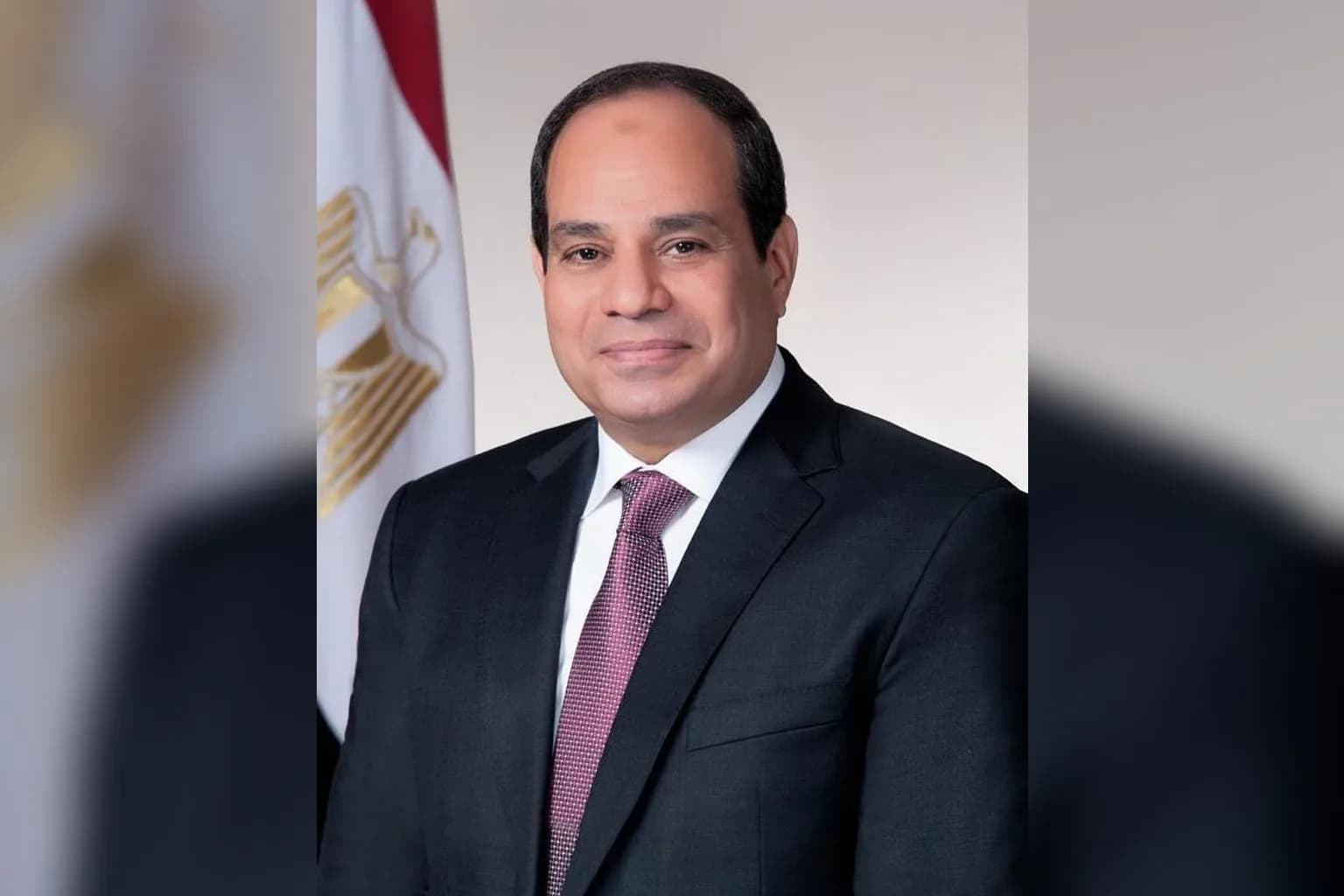
President Abdel Fattah al-Sisi asked parliament on October 17 for permission to provide military support to Saudi Arabia, if the kingdom requested it. He said it was “inconceivable” for Cairo to stand by while Riyadh’s security and stability were under threat.
The House of Representatives, chaired by Speaker Hisham Badawi, held three unusual closed meetings on October 18 and 19. It postponed the vote twice before reaching a decision on Monday.
Lawmakers then approved, by a two-thirds majority, authority for Sisi to take the necessary measures to support Saudi Arabia. Egypt’s constitution requires the support of two-thirds of legislators before troops can be sent abroad on combat missions.
Egypt’s Social Democratic Party, which holds 11 parliamentary seats, abstained. It had sought “specific objectives, clear information” on the mission’s scope and duration, as well as “an accurate assessment of the potential risks to the lives of our soldiers”.
Medhat Rekaby al-Mansourawy, an MP, told AFP that lawmakers’ discussion of a possible operation had been “surface-level without details”. He said legislators had received assurances that any Egyptian role would be “defensive”.
Sisi has set the same boundary in public. On Wednesday, he said Egyptian support would be to “defend Saudi territory, and does not include an attack on Yemen”. In another speech, he said: “We are talking about defending the land and borders of the kingdom,” while identifying a diplomatic settlement as the main priority.
Hussein Haridy, a former Egyptian assistant foreign minister, said Cairo’s involvement would be confined to defensive action.
Saudi Arabia is among Egypt’s strongest allies and has been a major financial backer of Sisi’s administration since the former army chief removed Islamist president Mohammed Morsi in 2013. Egyptians working in Saudi Arabia sent $12 billion to Cairo in the last fiscal year, a sum greater than Suez Canal revenues even at their record high in 2023.
Egypt also has the Arab world’s largest military, with hundreds of thousands of active personnel, fighter jets and complex air defences acquired from countries including the United States, China, France and Russia.
The parliamentary decision drew a sharp response from Mohammed Ali al-Houthi, a member of the Houthis’ political bureau. On Tuesday, he called it a declaration of war. He also described the Saudi, Pakistani and Turkish pact as “a clear and blatant act of aggression against the Islamic Republic of Iran”.
Cairo is still pursuing contacts aimed at containing the wider conflict. Foreign Minister Badr Abdelatty consulted with the R4 last week and said on Monday that he was “talking daily with the Iranians” in support of regional de-escalation. After visiting Riyadh on Wednesday, he said Egypt still favoured a diplomatic settlement.

Comments (0)