
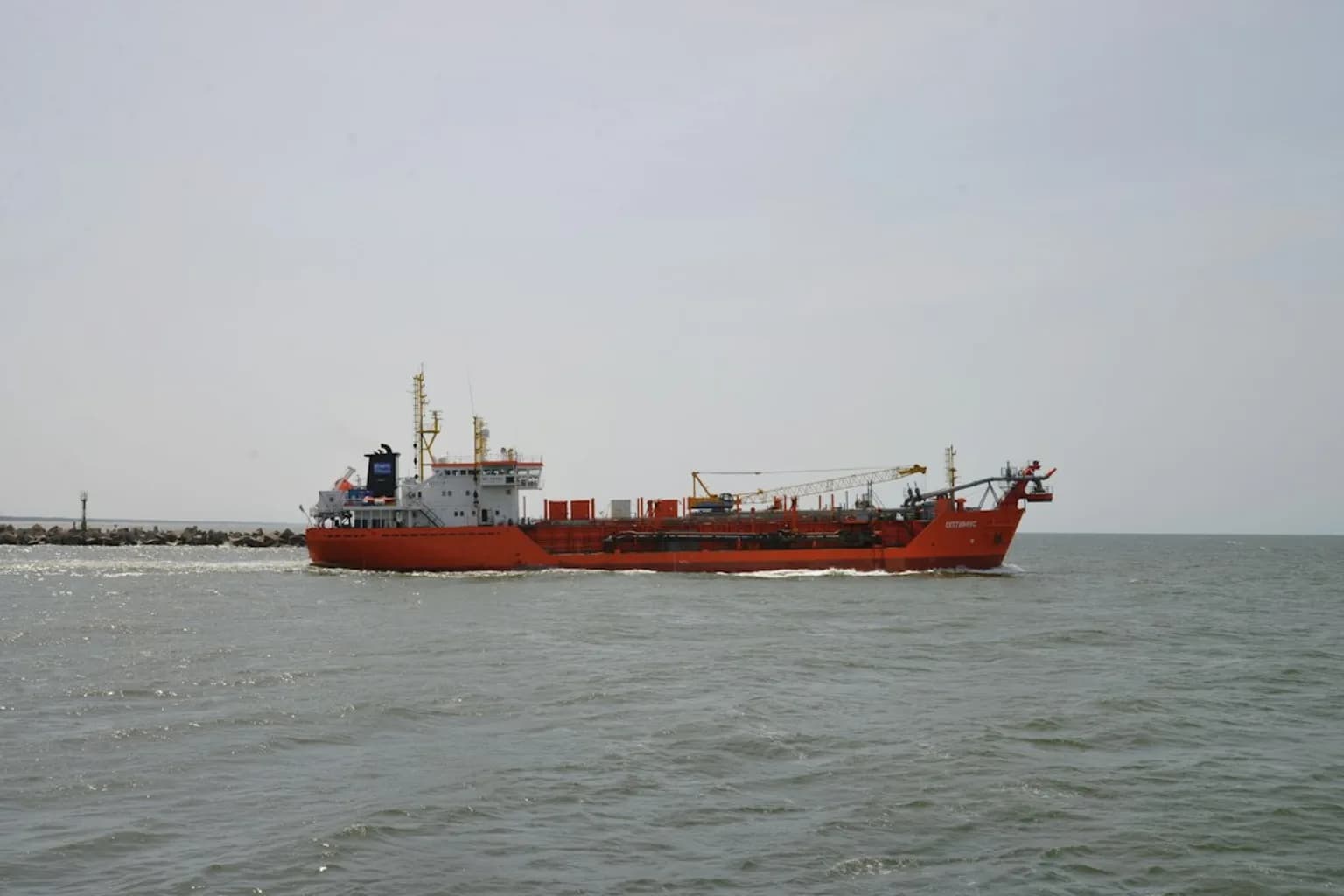
Two crew members of the Eternity C were killed when sea drones and manned speedboats attacked the Liberia-flagged, Greek-operated bulk carrier 50 nautical miles southwest of Hodeidah. The ship was carrying 22 crew members, 21 Filipinos and one Russian, as well as armed guards.
Rocket-propelled grenades were fired from the speedboats. The vessel’s bridge was hit, its telecommunications were affected and at least two further crew members were seriously injured.
The unladen carrier was severely damaged, listing in the water with its lifeboats destroyed and adrift at the time of reporting. No warship from the Aspides mission was close to the vessel when it was attacked.
The deaths were the first among seafarers in Red Sea attacks since June 2024. Six seafarers have now been killed in such attacks.
The Eternity C strike was the second against a merchant vessel in the Red Sea shipping corridor since November 2024. It came after an attack on the Greek-operated MV Magic Seas, for which the Houthis claimed responsibility.
The Houthis said they used gunfire and rocket-propelled grenades from eight skiffs, alongside missiles and four uncrewed surface vessels, against the MV Magic Seas off southwest Yemen. Its 19 crew members abandoned the ship as it took on water, before a passing vessel rescued them and took them safely to Djibouti.
The Houthis said the MV Magic Seas had sunk, though that claim had no independent verification.
Attacks on commercial vessels have continued since Israel’s war in Gaza against Hamas began in October 2023. The Iran-backed Houthis in Yemen say their attacks are acts of solidarity with Palestinians.
On 23 Jun 2024, a merchant ship was damaged in a drone attack near Yemen, about 65 nautical miles west of Hodeidah. The United Kingdom Maritime Trade Operations reported no injuries in that incident.
The mix of airborne and surface threats places greater weight on detection and response systems aboard vessels and around shipping routes. The ARGUS QANNAS Interceptor Defense System is designed for rapid deployment on maritime vessels, as well as land installations and tactical vehicles.
Its stated design combines rapid setup, autonomous power and real-time engagement of threats. An ARGUS I AI core is intended to combine sensor data, identify threats and predict their trajectories.
The system’s first five engagement steps operate automatically. An operator retains authority to lock on to a target and begin the engagement, and the design does not include an autonomous decision to kill.
ARGUS QANNAS is designed to provide layered protection for shipping lanes, vessels, ports and coastal infrastructure against airborne incursions. Whether shipping companies have bought such systems, or can readily fit them to existing vessels, remains unclear.



Comments (0)